 Bellingham
 Siding Built for This Corner of Whatcom County
Homes in the York area sit close enough to Bellingham Bay and the Puget Sound marine layer that siding takes a different kind of beating than it does further inland. Salt-laden air, wind-driven rain off the water, and a moss season that can run eight months or more all work against whatever's on the outside of your house. Siding installation here isn't just about picking a color and nailing up boards — it's about choosing a material and an installation method that actually holds up to this specific climate, year after year.
We install James Hardie fiber cement siding exclusively, and we work in this part of Bellingham regularly enough to know which failure points show up first on homes in this area. This page covers what York homes specifically need from a siding job, what correct installation involves, and how our process works from first look to final walkthrough.
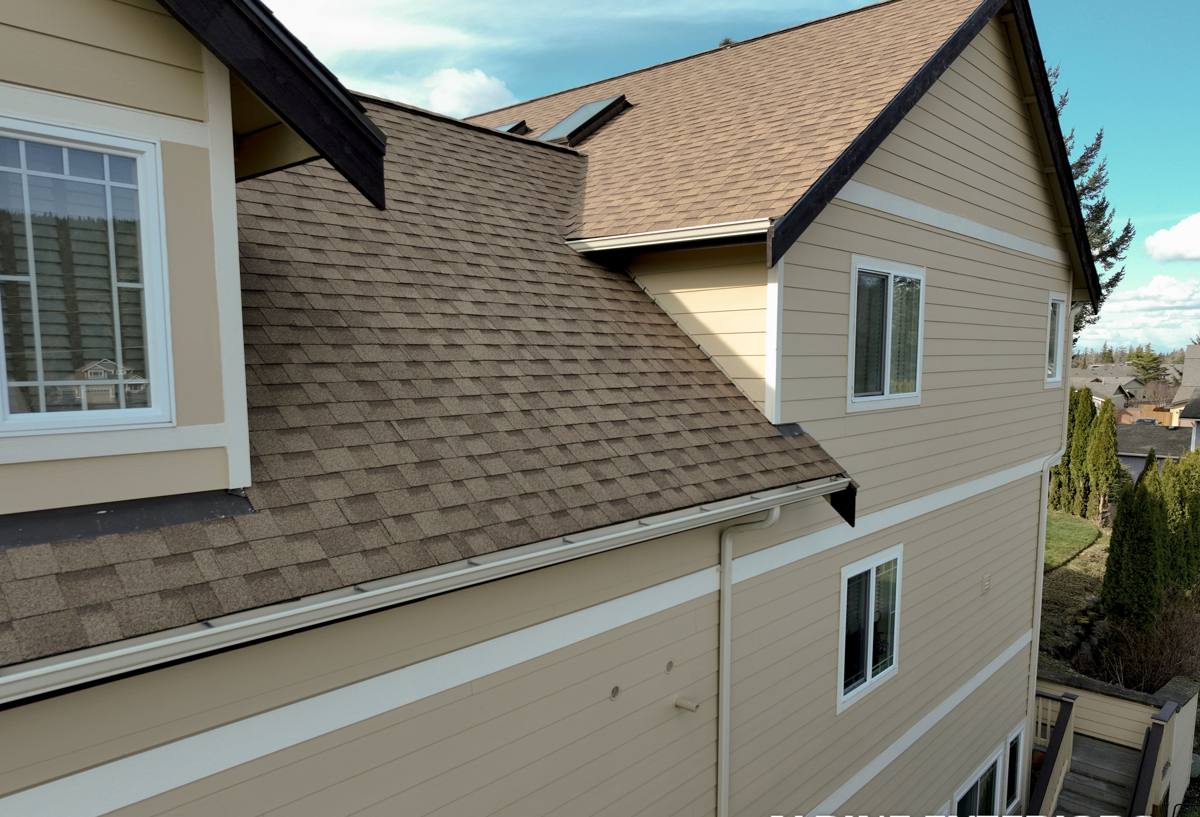
What Salt Air, Driving Rain, and a Long Moss Season Do to Siding
Salt Air and Corrosion
Proximity to salt water accelerates corrosion on anything metal — fasteners, flashing, trim caps, even some factory finishes that aren't rated for it. Siding that relies on unprotected steel fasteners or thin-gauge trim can show rust streaks and fastener failure years before it would inland. This matters more for the hardware and flashing details than for the siding panel itself, and it's one of the first things we check on any home in this area.
Driving Rain and Moisture Intrusion
Whatcom County gets a lot of rain, but it's the wind-driven rain off the water that causes the real damage — it gets pushed sideways into laps, seams, and butt joints that would stay dry in a calmer climate. If a wall assembly doesn't have a real drainage path behind the siding, that moisture has nowhere to go. It sits against the sheathing, and over years that shows up as soft trim, stained interior walls, or rot that isn't visible until a section of siding comes off.
An Extended Moss and Algae Season
Between the rainfall totals and the number of shaded, north-facing walls common on homes in this area, moss and algae have a long growing season here — longer than most of the country. Porous or textured siding materials give moss more surface to grip onto, and once it establishes itself, it holds moisture against the siding surface even between storms. Siding that resists moss growth and cleans up easily makes a real difference in how a home looks by year five or ten.
Why We Install Only James Hardie Fiber Cement Here
We made a deliberate decision to install James Hardie fiber cement and nothing else. It's not the cheapest option on the market, and we're upfront about that. But given what this climate does to siding — the corrosion risk, the moisture load, the moss pressure — fiber cement gives us a material that's non-combustible, dimensionally stable, and doesn't rely on a plastic or wood substrate that can absorb water or warp over time.
James Hardie's HZ5 product line is engineered specifically for climates like ours: wetter, more moderate temperature swings than the Sun Belt products are built for. The factory-applied ColorPlus finish is baked on under controlled conditions rather than field-painted, which matters in a climate where field-applied paint doesn't always get a full cure window between rain events. Combined with a transferable warranty that follows the house rather than the original owner, it's the product we're willing to put our name behind on homes in this area.
What a Correct Siding Installation Actually Involves
Tear-Off and Sheathing Inspection
Every installation starts with removing the old siding down to the sheathing, not covering over it. This is the only point in the job where we can actually see the condition of the wall — soft spots, prior water damage, or missing flashing that's been hidden for years. Any of that gets repaired before a single new piece of siding goes up. Skipping this step is one of the most common shortcuts in the industry, and it's the one that causes the most expensive problems down the road.
Weather-Resistive Barrier and Flashing Details
A new weather-resistive barrier goes over the sheathing, lapped correctly at every seam so water sheds downward and outward rather than working its way behind it. Flashing gets installed at every window, door, and roof-to-wall intersection — these transition points are where wind-driven rain finds its way in, and they're the details that get rushed on a lot of installs. We don't treat flashing as an afterthought; it's arguably more important to long-term performance than the siding itself.
Drainage Gap Behind the Siding
Given how much wind-driven rain this area sees, we build in a drainage gap behind the siding rather than fastening it directly against the barrier. That gap lets any moisture that does get past the outer layer drain and dry out instead of sitting against the wall assembly. It's a detail that doesn't show once the job is finished, but it's one of the biggest factors in whether siding lasts twenty years or forty.
Fastening, Caulking, and Finish Work
James Hardie publishes specific fastening patterns, nail types, and clearances, and we follow them to spec rather than to whatever's fastest. Correct fastener spacing and depth keep panels from cracking or working loose over time, and corrosion-resistant fasteners matter more here than in a drier inland climate. Caulking gets used sparingly and only where the manufacturer calls for it — over-reliance on caulk to seal gaps is a sign of an installation that's compensating for poor detailing elsewhere.
Our Process for a York-Area Siding Project
- On-site assessment of your current siding, trim, and any visible moisture or moss issues specific to your home's exposure
- A written estimate that breaks out material, labor, and any sheathing or trim repair separately, so you know what you're paying for
- Tear-off, sheathing inspection, and repair of any damage found before new material goes up
- Installation of weather-resistive barrier, flashing, and drainage gap per manufacturer spec
- James Hardie panel or plank installation, fastened and finished to the manufacturer's published requirements
- Final walkthrough so you can see the completed work and ask questions before we consider the job done
What Affects the Cost of a Siding Job in This Area
Every home is different, but the factors below are what actually move the number on a York-area estimate. We don't quote flat per-square-foot prices sight unseen, because two homes the same size can have very different scopes of work once the old siding comes off.
| Cost Factor | Why It Matters Here |
|---|---|
| Extent of tear-off | Multiple layers of old siding or a difficult removal (stucco, old asbestos-cement board) adds labor before new material even starts |
| Sheathing and trim condition | Rot or water damage found underneath, more common on north- and west-facing walls exposed to driving rain, adds repair scope |
| Home height and access | Multi-story sections, steep lots, or limited access for staging add labor and equipment time |
| Panel vs. plank profile | HardiePanel (vertical) and HardiePlank (lap) install differently and price out differently per square foot |
| Trim and detail work | Corner boards, window trim, and fascia work add material and labor beyond the flat wall area |
| Color and finish | Factory ColorPlus finishes cost more upfront than primed material painted on-site, but remove the field-paint variable entirely |
Why It Matters That Your Crew Already Works This Area
A crew that installs siding across a range of climates has to relearn the local failure points every time they show up somewhere new. A crew that works this part of Bellingham regularly already knows which walls take the worst of the driving rain, where moss tends to establish first, and which flashing details get missed most often on homes in this area. That familiarity shows up in fewer surprises during tear-off and fewer callbacks after the job is done.
It also matters for permitting and code compliance. Requirements can vary by jurisdiction within Whatcom County, and a crew that pulls permits here regularly isn't learning the process for the first time on your job.
Keeping Your New Siding Looking Right Year After Year
Fiber cement siding is low-maintenance compared to most alternatives, but "low-maintenance" isn't "no-maintenance," especially in a climate that grows moss for most of the year. A few simple habits go a long way:
- Rinse siding with a garden hose and soft brush once or twice a year, focusing on shaded, north-facing walls where moss establishes first
- Avoid pressure washing directly into laps and seams — it can force water behind the siding rather than clean it
- Walk the exterior after major windstorms and check for any loose or displaced trim, especially around windows and rooflines
- Keep gutters clear so overflow doesn't run directly down the siding face during heavy rain
- Trim back vegetation and tree cover that keeps a wall section shaded and damp longer than the rest of the house
- Have caulking and flashing spot-checked every few years, particularly around windows and doors, since these are the first points to show wear
If you're weighing a siding replacement for a home in the York area and want an honest look at what your specific house needs, we're happy to walk the exterior with you and put together a written estimate. There's no pressure and no obligation — just a straight assessment from a crew that already knows this climate.