 Bellingham
 Window Replacement Built for South Hill's Weather
South Hill sits above Bellingham Bay, which means homes here take weather from more directions than most. You get salt-laden air rolling in off the water, driving rain pushed sideways by wind off the bay, and a moss season that seems to start earlier and last longer every year in Whatcom County. Older wood and aluminum windows in this part of Bellingham show it: swollen sashes that won't latch, condensation between panes, sills gone soft, and frames that whistle when the wind picks up. Window replacement here isn't just about looks — it's about closing off the paths water and salt air use to get into a house.
We work on homes throughout South Hill and the surrounding Bellingham neighborhoods, so we've seen how this specific microclimate treats windows over ten, twenty, thirty years. That local pattern recognition shapes how we spec and install every job, not just the sales pitch.
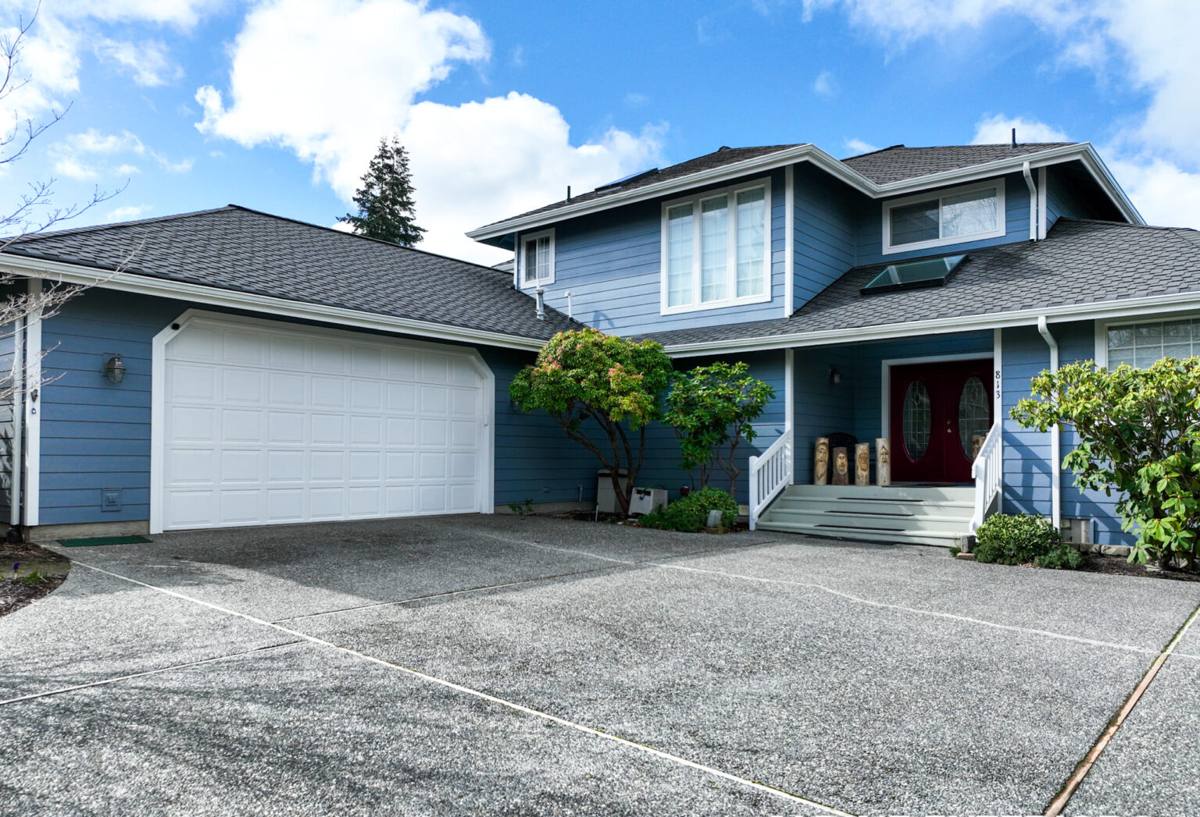
Why South Hill Homes Wear Out Windows Faster
Salt Air and Metal Fatigue
Proximity to Bellingham Bay means airborne salt settles on window hardware, screen frames, and exposed fasteners. Over years, this accelerates corrosion on aluminum frames and cheaper hinge and latch hardware. Once hardware starts binding or corroding, homeowners often prop windows shut with a stick or stop opening them altogether — which then traps humidity indoors and feeds the moss and mildew problem on the exterior.
Driving Rain and Wind-Driven Water
South Hill's elevation and exposure mean rain often arrives at an angle rather than straight down. Wind-driven rain finds any gap in flashing, caulking, or a poorly bedded nailing flange and pushes water sideways and upward into wall cavities. This is different from a light, straight-down rain that a mediocre install might tolerate for years — angled, pressurized water finds the weak point fast.
Moss Season and Prolonged Moisture
Western Washington's moss season keeps wood surfaces damp for extended stretches, especially on north- and west-facing walls that get less direct sun. Wood window sills and exterior trim in shaded spots hold moisture longer, which is exactly the condition that rot and mildew need. Vinyl and fiberglass frames don't feed mold, but the wood trim and framing around any window still can if flashing isn't done right.
What a Correct Window Replacement Involves
A window replacement that actually solves these problems is more than swapping glass in a frame. The parts that matter most are usually invisible once the job is done:
- Full removal down to the rough opening on homes with rot or water damage — a full-frame replacement lets us inspect and repair the sheathing and framing underneath, not just cover it up.
- Correct flashing sequence — sill pan flashing first, then side flashing, then head flashing, integrated with the home's weather-resistive barrier so water sheds outward and downward, never behind the siding.
- Proper shimming and squaring so the sash operates smoothly for years instead of binding within a season or two.
- Low-expansion, exterior-grade sealant at the right joints — not caulk smeared everywhere as a substitute for flashing.
- Corrosion-resistant fasteners and hardware suited to a coastal-influenced climate, not standard interior-grade hardware that starts pitting within a few years.
Skip any one of these steps and the window may look fine at handoff but fail within a few wet seasons — usually in ways that are hidden behind trim or siding until the damage is already spreading.
Choosing the Right Window for This Location
Not every window product suits South Hill's exposure equally. We steer homeowners based on how a frame material and glazing package actually perform under salt air, wind-driven rain, and prolonged damp — not on price alone.
| Frame Material | How It Handles This Climate | Maintenance Reality |
|---|---|---|
| Vinyl | Good moisture and corrosion resistance; won't rot or feed mold | Low — occasional cleaning, no painting |
| Fiberglass | Excellent dimensional stability in temperature and moisture swings; holds up well to coastal exposure | Low — very stable, minimal upkeep |
| Aluminum | Prone to corrosion and pitting near the bay unless heavily coated; conducts cold and promotes condensation | Moderate to high — hardware and finish need monitoring |
| Wood (unclad) | Attractive but vulnerable to prolonged moss-season dampness without diligent upkeep | High — regular painting/sealing required |
| Wood-clad (vinyl or aluminum exterior) | Combines interior wood look with a weather-resistant exterior shell | Moderate — exterior shell protects the wood core |
For most South Hill homes, we lean toward vinyl or fiberglass frames with dual-pane, low-E glazing as the practical baseline. That's not because other materials are bad products — it's because they demand a level of upkeep against salt air and moisture that many homeowners would rather not sign up for. If you want a wood or wood-clad look, we'll say so plainly and walk through the maintenance schedule that comes with it, rather than let you find out the hard way.
Glazing and Gas Fill
Dual-pane windows with a low-E coating and argon gas fill are the standard we recommend for this area. The low-E coating cuts heat loss through the glass, which matters when Bellingham's wind off the bay drives a real chill through single-pane or older dual-pane units. Argon fill adds a modest insulating boost over standard air fill at minimal added cost. Triple-pane is available for homes wanting maximum performance, but for most South Hill houses the jump in cost isn't matched by a proportional jump in comfort or energy savings — we'll tell you honestly when it is and when it isn't worth it for your specific home.
Our Process, Start to Finish
- On-site assessment. We look at existing frame condition, sill and sheathing moisture, current flashing (or lack of it), and how each elevation of the house is exposed to wind and rain.
- Honest scope and quote. We tell you which windows are candidates for insert replacement (new window into the existing frame) versus which need full-frame replacement due to rot or damage found underneath.
- Material selection. We walk through frame material, glazing package, and hardware options suited to South Hill's exposure, with straightforward pricing — no upsell pressure.
- Removal and inspection. Old units come out carefully; any rot, moisture staining, or damaged sheathing gets addressed before a new window goes in, not covered over.
- Flashing and installation. Sill pan, side, and head flashing integrated correctly with the weather barrier, followed by precise shimming, squaring, and fastening.
- Sealing and trim. Exterior-grade sealant at the right joints, interior and exterior trim reinstalled or replaced as needed.
- Walkthrough and operation check. Every window opens, closes, and locks smoothly before we call the job done, and we explain any care specific to the material you chose.
Signs It's Time to Replace, Not Repair
- Fogging or moisture trapped between panes — the seal has failed and can't be fixed, only replaced.
- Sashes that stick, won't latch, or require force to open, especially after damp weeks.
- Visible rot or soft wood at the sill, jamb, or surrounding trim.
- Noticeable draft or cold spot near the frame even with the window shut.
- Rising energy bills without another clear cause.
- Corroded or pitted hardware, particularly on aluminum-framed units.
- Peeling paint or persistent black mildew staining on wood trim around the window.
Full-Frame vs. Insert Replacement
Homeowners often ask whether they need a full tear-out or whether a simpler insert replacement will do. The honest answer depends on what's happening at the rough opening, not on which option is cheaper to sell.
| Factor | Insert Replacement | Full-Frame Replacement |
|---|---|---|
| Existing frame condition | Sound, no rot or water damage | Damaged, rotted, or out of square |
| Disruption | Faster, less exterior disturbance | More involved; siding/trim affected |
| Ability to inspect sheathing | Limited — existing frame stays in place | Full — sheathing and framing exposed and repaired |
| Best fit for South Hill | Homes with well-maintained frames, no history of leaks | Homes with visible rot, past leaks, or aging original flashing |
We'll only recommend an insert replacement when the existing frame and flashing are genuinely sound. If there's any sign of past water intrusion, we push for full-frame so the problem doesn't just get sealed in behind a new window.
Why a Crew That Already Works South Hill Matters
Window replacement done wrong doesn't usually fail on day one — it fails two or three wet seasons later, after the crew is long gone. A contractor who works this specific stretch of Bellingham regularly has already seen which elevations take the worst of the wind-driven rain, which older homes have flashing details that need extra attention, and how quickly moss and moisture can compromise trim if a detail gets rushed. That's a different level of judgment than a crew installing windows in a dry inland climate and applying the same technique here.
We also stand behind the work with warranty coverage on our installation labor, separate from the manufacturer's product warranty on the window itself — so you know who to call if something isn't right, and it isn't a runaround between two different companies pointing at each other.
Cost Factors Worth Understanding
We don't publish blanket per-window prices because South Hill homes vary — some are straightforward insert jobs, others need full-frame work with sheathing repair. In general, the biggest cost drivers are:
- Insert versus full-frame replacement (full-frame costs more but is often the right call on older or previously leaky windows)
- Frame material chosen (vinyl and fiberglass are typically more cost-effective long-term than wood or wood-clad)
- Number and size of windows, and how many elevations are involved
- Extent of any hidden rot or sheathing repair discovered once the old window comes out
- Access and second-story or difficult-elevation work
We give a firm, itemized quote after the on-site assessment — not a phone estimate that changes once we're on the ladder.
Let's Look at Your Windows
If your South Hill home has windows that stick, fog, draft, or show soft trim after another Bellingham winter, it's worth having a second set of eyes on them before the next wet season sets in. We'll walk the exterior with you, tell you plainly what we find, and put together a free, no-pressure estimate using the form below.