 Bellingham
 Why Barkley Homes Wear Siding Differently
Barkley sits close enough to Bellingham Bay to catch salt-laden air off the water, and far enough into Whatcom County's marine weather pattern to get months of low sun, standing damp, and driving rain off the Pacific. That combination is harder on exterior siding than most homeowners realize. Salt air accelerates corrosion on fasteners and trim, wind-driven rain finds every gap in a wall assembly instead of just running off, and a long moss season means anything shaded or north-facing stays damp far longer than it should.
None of that is unique to one street or subdivision — it's the climate reality for this whole corner of Whatcom County. But it matters most at the point where a home's siding is failing or nearing the end of its service life, because a replacement done without accounting for local conditions will show the same problems again in a few years. A replacement done right accounts for them from the first cut.
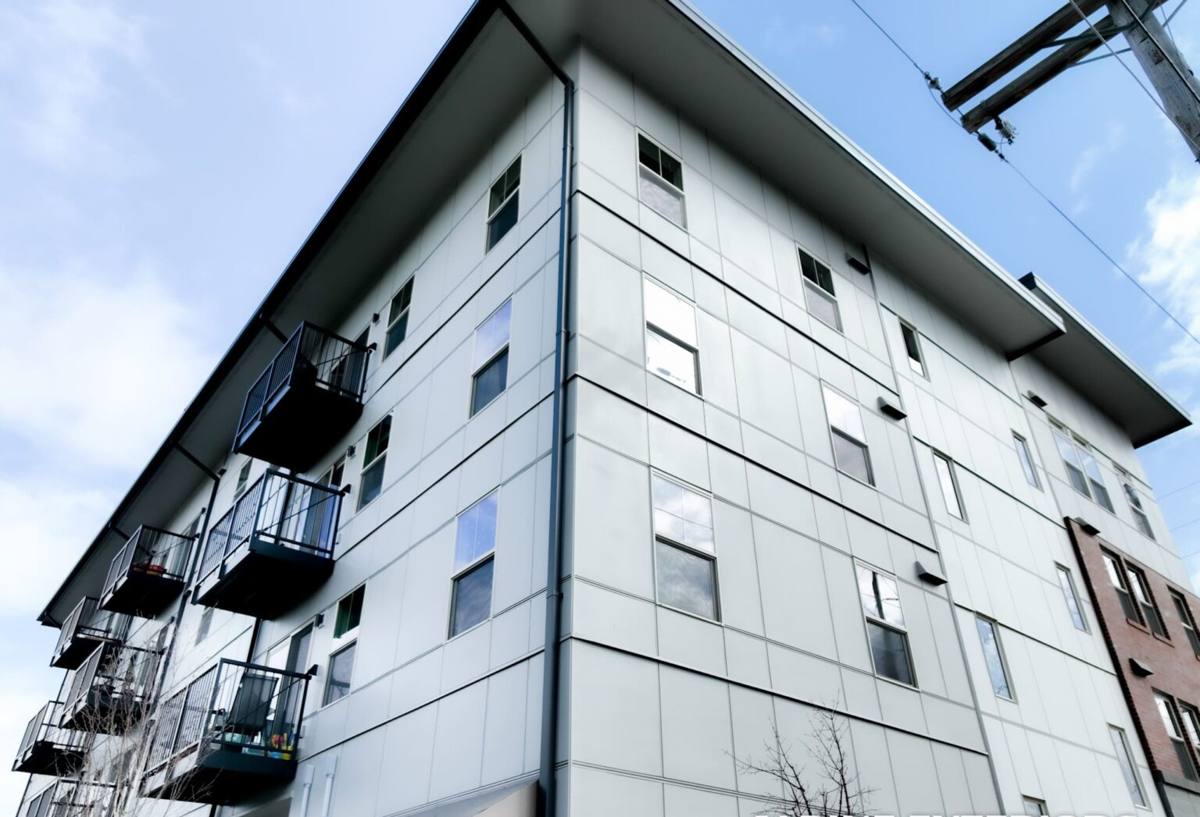
Signs a Barkley Home Needs Siding Replacement, Not Just Repair
Not every siding problem calls for a full tear-off. But in this climate, certain symptoms usually mean patching won't hold:
- Soft or spongy spots when you press on the siding, especially near the bottom courses or under windows
- Paint that won't hold no matter how often it's redone — a sign moisture is moving through the material
- Persistent moss or dark streaking that comes back within a season of cleaning
- Visible gaps, warping, or buckling panels, particularly on the north and west-facing walls that take the worst of the wind-driven rain
- Rust staining around nail heads or trim fasteners
- Interior signs — musty smells, peeling interior paint, or damp drywall on an exterior wall
If you're seeing more than one of these, it's worth having the wall assembly looked at, not just the surface. Siding that looks rough from the street is a cosmetic problem; siding that's let water behind it for a year or more is a structural one.
Why Older Siding in This Climate Fails Faster Than Expected
Wood-based and composite sidings that aren't engineered for a wet marine climate tend to absorb moisture at cut edges and fastener holes long before the face of the panel shows damage. By the time paint failure or visible swelling shows up, the sheathing behind it has often been wet for a while. That's the pattern we see most often on tear-offs in this area — the problem started small, stayed hidden, and grew for longer than anyone realized.
What a Correct Siding Replacement Actually Involves
A siding replacement is a wall system, not just a facade swap. Doing it right in a climate like Bellingham's means paying attention to what's underneath the siding as much as the siding itself.
- Full tear-off and inspection — removing the old siding exposes the sheathing, framing, and any hidden rot or moisture damage that needs to be addressed before anything new goes up.
- Sheathing repair — any soft or compromised sheathing gets replaced, not covered over.
- Water-resistive barrier — a correctly lapped weather barrier is installed to shed water downward and outward, which matters more here than in drier climates.
- Flashing at every penetration — windows, doors, hose bibs, vents, and anywhere else water can find a way in get proper flashing, not just caulk.
- Correct fastening — fastener type, spacing, and depth affect both wind performance and long-term corrosion resistance, especially this close to salt air.
- Proper clearances — siding held off decks, grade, and roof lines at the right distance so it can dry instead of wicking moisture.
- Finish and caulk details — factory-finished panels reduce the number of field-painted, failure-prone joints.
Skip any one of these steps and the new siding can look fine for a season or two while the same underlying problem builds again behind it.
Why We Only Install James Hardie Fiber Cement
We install James Hardie siding exclusively — not vinyl, not LP SmartSide, not primed wood products. That's a deliberate standard, not a limitation in what we're able to install. Fiber cement doesn't absorb water the way wood-based and composite sidings can, it doesn't expand and contract with humidity swings the way vinyl does, and it's non-combustible. In a climate that stays damp for months at a stretch, that moisture behavior is the difference between siding that holds up for decades and siding that needs attention again within a handful of years.
Hardie's HZ product lines are engineered for specific climate zones, and homes here fall into the wetter, cooler HZ10 zone rather than the hot, dry HZ5 zone used in the Southwest. That distinction affects the product formulation, and it's one more reason we treat "siding" as a climate-specific decision rather than a one-size-fits-all product. The factory-applied ColorPlus finish also means fewer field-painted joints exposed to the rain cycle this area sees most of the year, and the manufacturer's transferable warranty backs the product for a homeowner who eventually sells.
What Homeowners Give Up With Other Products
Vinyl siding is inexpensive and low-maintenance in mild climates, but it can warp or crack in temperature swings and it doesn't hold caulk or trim details the same way fiber cement does over the long run. LP SmartSide and similar engineered wood products perform reasonably in drier regions, but they rely on an intact factory coating to keep moisture out — any breach at a cut edge or fastener hole becomes a slow, hidden problem in a climate this wet. Primed cedar or spruce siding requires ongoing repainting and sealing to keep ahead of moisture, which is a real ongoing cost most homeowners underestimate when they choose it. None of these are bad products in the right setting. They're just not what we're willing to warranty our workmanship on in Bellingham's weather.
How We Approach a Barkley Siding Replacement
The process is the same craftsmanship every time, applied to the specific conditions of the house in front of us:
- On-site assessment — we look at the whole wall system, not just the visible siding, and identify which walls are taking the worst weather exposure.
- Written scope and product selection — profile, exposure, and color chosen for the home, with the reasoning explained plainly.
- Tear-off and sheathing repair — done before a single new panel goes up.
- Weather barrier and flashing installed to spec — this is the step that determines how the siding performs in year ten, not year one.
- Hardie installation — fastened, spaced, and finished to manufacturer specification so the warranty is valid.
- Site cleanup and final walkthrough — nothing left behind, and every question answered before we consider the job done.
What Siding Replacement Costs Depend On
Every home is different, but the same few factors drive most of the cost variation we see on replacements in this area:
| Factor | Why It Matters |
|---|---|
| Extent of hidden damage | Rotten sheathing or framing found during tear-off has to be repaired before new siding goes on |
| Home size and wall complexity | More corners, dormers, and trim details mean more labor and material |
| Siding profile and accessories | Lap width, trim style, and soffit/fascia work all affect material cost |
| Access and site conditions | Multi-story walls, tight lot lines, or landscaping can affect setup time |
| Removal and disposal | Full tear-off of old siding adds labor and hauling costs versus a simpler re-side |
We don't quote a number until we've actually looked at the house — anything else is a guess, and guesses tend to change once the old siding comes off and the wall underneath tells a different story.
Why It Matters That We Already Work in Barkley
A crew that already works this neighborhood knows which walls in this area typically take the worst wind-driven rain, understands Whatcom County permitting and inspection expectations, and isn't learning the region's climate quirks on your project. That familiarity shows up in small decisions — where extra flashing attention matters most, how much drying time to plan around the wetter months, which details tend to get overlooked on homes with this kind of weather exposure. It's the difference between a contractor applying a generic process and one applying a process tuned to this specific place.
After the Install: Keeping Hardie Siding Performing
Fiber cement is low-maintenance, not no-maintenance. A short annual routine keeps it performing the way it's designed to:
- Rinse off moss, pollen, and salt residue with a garden hose and soft brush — avoid high-pressure washing directly at seams
- Check caulk lines at trim and penetrations once a year and touch up any that have cracked or pulled away
- Keep gutters clear so water sheets off the roof instead of running down the wall face
- Trim back vegetation that keeps siding shaded and damp longer than the rest of the house
- Watch for any staining or streaking that returns quickly after cleaning — an early sign worth a second look
If your Barkley home's siding is showing its age, or you just want an honest read on whether it needs repair or full replacement, we're happy to take a look. The estimate is free, there's no pressure attached to it, and you'll get a straight answer about what your home actually needs.