 Bellingham
 Why Board & Batten Fits Fairhaven
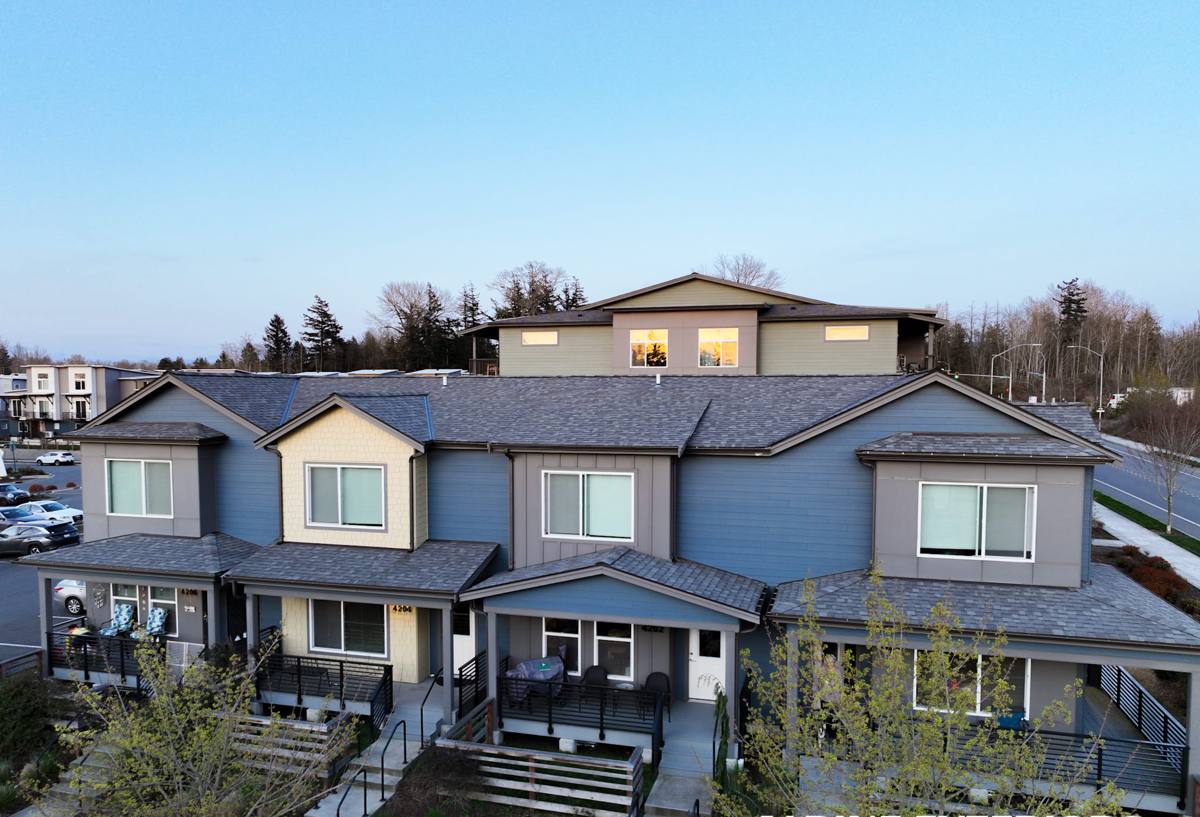
Fairhaven's mix of historic cottages, craftsman-style homes, and newer builds near the waterfront gives board and batten a natural home here. The vertical lines read as classic Pacific Northwest coastal architecture, and the profile pairs well with the gable roofs, covered porches, and trim details common in this part of Bellingham. It's also a practical choice for homes that want strong, simple sightlines without a lot of busy detailing competing with window trim, shutters, or stonework.
But style is only half the equation. Board and batten is a vertical siding system, which means it behaves differently than horizontal lap siding when it comes to water management, wind exposure, and long-term maintenance. In a neighborhood this close to Bellingham Bay, that difference matters.
What Bellingham's Climate Actually Does to Vertical Siding
Fairhaven sits close enough to the water that homes deal with a combination most inland Whatcom County properties don't: salt-laden air, wind-driven rain coming off the bay, and a moss and algae season that can run most of the year in shaded, north-facing exposures.
- Salt air accelerates corrosion on fasteners, flashing, and any metal trim components that aren't rated for coastal exposure.
- Driving rain pushes water sideways into seams and butt joints, not just straight down — a bigger concern on vertical siding where water can travel along battens if joints aren't detailed correctly.
- Extended moss season keeps siding surfaces damp longer, which stresses paint films, seals, and any wood-based product that isn't fully sealed on all six sides.
- Freeze-thaw cycling, while milder here than east of the Cascades, still opens up small cracks in caulk and coatings over time if the underlying material isn't dimensionally stable.
None of this means board and batten is a bad choice for Fairhaven — it means the material and the installation details have to be right for this specific exposure. That's the piece that gets skipped most often.
Why We Install Only James Hardie Fiber Cement
We don't install vinyl board and batten, LP SmartSide, primed spruce, cedar, or other fiber cement brands. On a coastal-influenced property like the ones in Fairhaven, that's not a marketing position — it's a practical one built on how these materials actually hold up.
Vinyl board and batten can work loose or warp under sustained wind-driven rain and temperature swings, and its color is baked into a thin surface layer that fades unevenly over years of coastal sun and salt exposure. Wood products — primed spruce or cedar — look excellent on day one, but they require ongoing paint or stain maintenance to stay sealed, and a missed maintenance cycle in a damp, moss-prone yard can let moisture into the substrate faster than most homeowners expect. LP SmartSide is an engineered wood product, which means it still relies on an intact factory coating and careful field-sealing of every cut edge to resist moisture — a real vulnerability in a climate that stays wet for months at a time.
James Hardie fiber cement is dimensionally stable, doesn't support moisture absorption the way wood-based products do, and is non-combustible. For board and batten specifically, that stability matters more than on lap siding, because vertical joints and battens create more seams for water to find.
How the Hardie Board & Batten System Works
Hardie's board and batten approach typically uses HardiePanel vertical siding with HardieTrim battens installed over the panel joints, or a reveal-style panel system depending on the look the home calls for. The panels are fiber cement — sand, cement, and cellulose fiber cured into a rigid, moisture-resistant board — engineered specifically for wet climates through Hardie's HZ10 product line, which is formulated for the Pacific Northwest's rain and humidity exposure.
The factory-applied ColorPlus finish is baked on rather than field-brushed, which gives the color better adhesion and UV resistance than site-applied paint — a real advantage against Bellingham's overcast, moisture-heavy conditions where field paint has less ideal curing weather for much of the year.
What a Correct Fairhaven Installation Actually Involves
Board and batten looks simple from the street, but the parts nobody sees are what determine whether it lasts 10 years or 40. In a driving-rain, salt-air environment like Fairhaven, we pay particular attention to:
Water Management Behind the Siding
A drainage plane and weather-resistant barrier go on the wall sheathing first, with a rain screen gap where conditions call for it. This gives any moisture that gets past the siding a way to drain and dry out instead of sitting against the wall assembly.
Flashing at Every Horizontal Break
Wherever panels meet windows, trim, or a horizontal joint, correctly lapped flashing — not just caulk — is what actually keeps wind-driven rain out. Caulk is a secondary seal, not the primary defense.
Fastening and Batten Placement
Battens are fastened into structural framing at the correct spacing per Hardie's installation specifications, with fasteners rated to resist the corrosion that coastal salt air accelerates.
Clearances That Prevent Moss and Rot
Bottom clearance from grade, deck surfaces, and roof lines is set to keep the siding out of standing moisture and splash-back, which slows moss colonization and keeps cut edges from sitting in damp debris.
| Installation Detail | Why It Matters in Fairhaven |
|---|---|
| Rain screen / drainage gap | Lets wind-driven rain that gets behind panels drain and dry instead of soaking sheathing |
| Lapped flashing over caulk | Caulk degrades faster in a wet, salt-air climate — flashing is the real water barrier |
| Corrosion-rated fasteners | Salt air accelerates rust on standard fasteners over time |
| Grade and roofline clearance | Reduces splash-back moisture and moss growth at the base of panels |
| Sealed cut edges | Prevents moisture wicking into panel edges during long wet stretches |
Our Process, Start to Finish
- On-site evaluation: we walk the exterior, check the existing siding and sheathing condition, and look specifically for moisture damage that's common on shaded, north- or west-facing walls in this neighborhood.
- Detailed estimate: a written scope covering tear-off, any sheathing repair, house wrap, flashing, panel and batten material, and finish details — no vague allowances.
- Material order: HardiePanel and HardieTrim in the ColorPlus finish and profile that fits the home, ordered to the exact measurements.
- Tear-off and inspection: old siding comes off and we inspect the sheathing before anything new goes up — this is when hidden moisture damage, if any, gets found and addressed.
- Weather barrier and flashing installation: the drainage plane, rain screen, and flashing go in correctly before a single panel is hung.
- Panel and batten installation: installed to Hardie's fastening and clearance specifications, not shortcuts that pass a quick visual check.
- Final walkthrough and warranty paperwork: we go over the finished work and register the manufacturer's warranty in the homeowner's name.
Cost Factors for Board & Batten in Fairhaven
Every home is different, so we won't quote a number without seeing the property, but these are the variables that most affect price on a Fairhaven job specifically:
| Factor | Effect on Cost |
|---|---|
| Existing siding removal | Vinyl and wood tear-off adds labor; some older homes have layered siding underneath |
| Sheathing or framing repair | Moisture damage found during tear-off (more common on shaded, damp walls) adds material and labor |
| Home height and access | Multi-story sections near steep lots or tight property lines take longer to stage and scaffold |
| Trim and window complexity | More corners, dormers, and window trim mean more cuts and detail work |
| Panel profile and reveal | Custom batten spacing or reveal widths take more layout time than a standard pattern |
Maintenance Through Bellingham's Moss Season
Hardie board and batten needs far less upkeep than wood or vinyl, but "low maintenance" isn't "no maintenance" in a climate that stays wet this long. A simple annual check keeps it looking right and catches problems early:
- Rinse siding surfaces (especially shaded, north-facing walls) once a year to keep moss and algae from taking hold
- Check caulking at trim joints and window edges for cracking or separation
- Keep gutters clear so overflow doesn't run down siding faces and feed moss growth
- Trim back landscaping that keeps siding shaded and damp longer than the rest of the house
- Watch for staining at the base of panels near grade, which can signal a clearance or drainage issue
Why a Crew That Already Works Fairhaven Makes a Difference
A contractor who's worked this specific stretch of Bellingham knows which walls take the worst of the wind-driven rain off the bay, which yards hold moisture longer into summer, and how the local permitting process runs. That familiarity shows up in fewer surprises during tear-off, better material staging on tight lots, and a finished install that's detailed for the exposure this neighborhood actually gets — not a generic specification pulled for a drier part of the state.
If you're weighing board and batten for a Fairhaven home, we're happy to take a look and walk you through what correct installation looks like for your specific property. The estimate is free, there's no pressure, and you'll get a straight answer about what your home needs — just fill out the form below.