 Bellingham
 Windows Built for Edgemoor's Waterfront Exposure
Edgemoor sits close enough to Bellingham Bay that its homes take a different kind of weather beating than houses a few miles inland. The combination of salt-laden air off the water, wind-driven rain that hits windows sideways rather than straight down, and a long wet moss season that keeps trim and sills damp for months at a time is hard on window frames, seals, and hardware. A window that's rated fine for a dry inland climate can still fail early here if it wasn't installed with this specific exposure in mind.
Window installation in this part of Bellingham isn't just about swapping out an old unit for a new one. It's about choosing frame materials and flashing details that hold up to salt air corrosion, sealing details that keep wind-driven rain from finding its way behind the trim, and a fit that doesn't trap moisture where moss and algae can get a foothold. Whatcom County's marine climate rewards careful work and punishes shortcuts, and nowhere is that truer than in neighborhoods sitting right along the water.
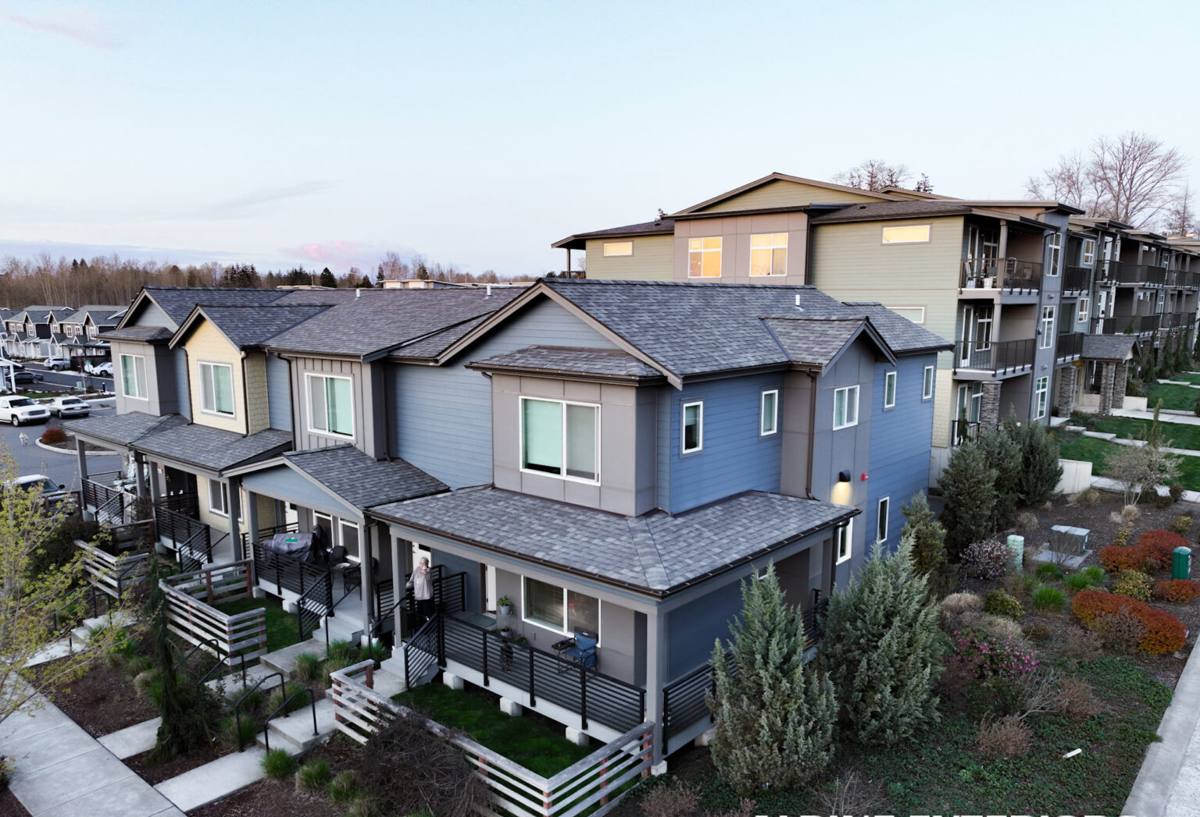
What Edgemoor Homes Actually Need From Their Windows
Salt Air and Hardware Corrosion
Salt-laden air off Bellingham Bay accelerates corrosion on window hardware — hinges, locks, balance mechanisms, and screws — faster than it would a few miles inland. Cheaper stamped-steel hardware or unprotected fasteners can start showing rust and stiff operation within a few seasons in a waterfront-adjacent home. Corrosion-resistant hardware and fasteners are a small upcharge that pays for itself in years of smooth operation.
Wind-Driven Rain
Storms rolling in off the water don't just drop rain straight down — they push it sideways into window assemblies under real pressure. That means the flashing and sealant details around the window opening matter as much as the window unit itself. A window installed with a standard, minimal flashing approach can look fine for years and still leak the first time a real windstorm hits it from the wrong angle.
Moss Season and Sustained Moisture
Bellingham's long wet season keeps horizontal trim surfaces, sills, and anything shaded by trees damp for extended stretches, which is exactly the environment moss and algae need to take hold. Window sills and trim that stay wet invite rot at the wood level and give moss a place to grow, which in turn holds even more moisture against the building. Detailing that sheds water quickly, rather than letting it pool, is a bigger deal here than in drier parts of the state.
Signs Your Current Windows Are Falling Behind
Most window failures in this area show up gradually, not all at once. Homeowners in Edgemoor should watch for:
- Fogging or condensation between panes on double- or triple-glazed units (a sign the seal has failed)
- Soft or discolored wood on the interior or exterior trim around the frame
- Windows that are harder to open, close, or lock than they used to be
- Visible rust or white corrosion on hinges, cranks, or lock hardware
- Moss or dark green/black staining building up on sills or the trim below a window
- Drafts or a noticeable temperature difference near the window on windy days
- Peeling paint or bubbling on interior sills, which often points to moisture getting past the seal
Any one of these on its own might just need a repair. Several at once, especially on a window over 15-20 years old, usually means it's cheaper long-term to replace than to keep patching.
What a Correct Installation Actually Involves
Removing the Old Window Without Hidden Damage
Before a new window goes in, we check the framing and sheathing around the opening for rot or water damage that the old window may have been hiding. This is common in older Edgemoor homes where a window has been quietly leaking behind the trim for years without visible signs inside. Any soft or damaged framing gets addressed before the new unit ever goes in — installing a new window over compromised framing just locks the problem in place.
Flashing and the Weather Barrier
This is the step that matters most for a home in this kind of wind and rain exposure. Proper flashing — sill pan flashing at the bottom, side flashing that overlaps correctly, and head flashing at the top that directs water out and away — is what actually keeps wind-driven rain from getting behind the window and into the wall cavity. Flashing has to integrate correctly with the existing weather-resistive barrier (house wrap or building paper), lapped in the right order so water always sheds outward, never into the wall.
Sealing and Insulation
Around the window frame, the gap between the unit and the rough opening gets insulated (typically low-expansion foam or backer rod, not just caulk) to cut drafts and prevent condensation inside the wall. Exterior sealant beads get applied at the specific joints that need them — not everywhere, since sealing the wrong spots can trap moisture instead of keeping it out.
Trim, Finish, and Final Check
Interior and exterior trim gets reset or replaced, caulked, and painted or finished to match. We check that the window opens, closes, and locks smoothly, and that it's square and level in the opening — a slightly out-of-square install is a common cause of premature seal failure and hardware wear.
Choosing a Frame Material for This Climate
Frame material matters more here than in a drier, inland climate. Here's how the common options compare for a home with this kind of salt air and rain exposure:
| Frame Material | Salt Air / Corrosion Resistance | Moisture Behavior | Maintenance |
|---|---|---|---|
| Vinyl | Very good — won't corrode or rust | Doesn't absorb moisture or rot | Low; occasional cleaning |
| Fiberglass | Excellent — very stable in coastal air | Dimensionally stable, resists warping | Low; holds paint well if color changes are wanted |
| Wood (unclad) | Poor without diligent upkeep | Absorbs moisture, prone to rot near the coast | High; regular refinishing needed |
| Wood-clad (vinyl or aluminum exterior) | Good on the exterior face; interior wood still needs care | Exterior sheds water well; watch cladding seams | Moderate |
We generally steer Edgemoor homeowners away from unclad wood on any elevation exposed to weather off the bay — not because wood windows are a bad product, but because the maintenance burden of keeping bare wood sealed against this much salt air and rain is more than most homeowners want to sign up for. Vinyl and fiberglass hold up with far less upkeep, and clad-wood units are a reasonable middle ground when a homeowner wants a wood interior look.
Cost Factors to Expect
| Factor | Why It Affects Price |
|---|---|
| Frame material | Vinyl is typically the most affordable; fiberglass and clad-wood cost more upfront but often less over time in maintenance |
| Glazing package | Double vs. triple pane, and low-E coatings, affect both cost and long-term energy performance |
| Full-frame vs. insert replacement | Full-frame (tear-out to the studs) costs more but allows a full flashing redo; inserts are faster but rely on the existing frame being sound |
| Number and size of openings | Larger or custom-sized windows and higher window counts scale total project cost |
| Hidden damage found during removal | Rotted framing or sheathing found behind an old window adds repair scope before the new unit goes in |
Our Process for an Edgemoor Window Project
- On-site assessment of existing windows, framing condition, and each opening's specific exposure to wind and rain
- Recommendation on frame material and glazing package suited to that home's position and exposure
- Precise measurement and ordering — undersized or oversized openings cause chronic sealing problems
- Careful removal of the old window with an inspection of the framing underneath
- Installation with correct sill pan, side, and head flashing integrated into the existing weather barrier
- Insulation, sealing, and interior/exterior trim finish
- Final operation check and walkthrough with the homeowner
Why Local Experience Matters for This Neighborhood
A window installer who mostly works dry, inland jobs can put in a perfectly good window and still get the flashing detail wrong for what a home near Bellingham Bay actually needs. Crews who already work in Edgemoor and similar Whatcom County waterfront-adjacent neighborhoods know which elevations take the worst wind-driven rain, how much corrosion resistance is worth paying for in hardware, and where moss buildup tends to start on sills and trim. That local pattern recognition is the difference between a window that looks right on install day and one that's still performing well after five or ten wet Bellingham winters.
We also know the practical side of working in this area — permitting expectations for window replacement in Bellingham and Whatcom County, and how to sequence work around the area's wet season so openings aren't left exposed longer than necessary.
Get a Straight Answer for Your Home
If your windows in Edgemoor are fogging, sticking, drafty, or showing rust and moss buildup, it's worth having someone look at them before another wet season adds to the damage. We're happy to walk through your home, point out what's actually going on with your current windows, and give you a clear, no-pressure estimate for repair or replacement — no obligation either way. Use the form below to request a free estimate.