 Bellingham
 South Hill's Deck Problem Nobody Warns You About
South Hill sits above downtown Bellingham with some of the best views in Whatcom County, and that same exposure is exactly what wears a deck out early. Homes up here catch more wind off Bellingham Bay, more driving rain during fall and winter storms, and a moss season that runs longer than it does just a few miles inland. Add in salt-laden air moving off the water, and you've got a combination that attacks fasteners, framing, and decking surfaces faster than most homeowners expect.
We're not talking about a coastal-cabin level of exposure, but South Hill gets enough of it that a deck built to a generic spec — the kind you'd see in a big-box how-to guide — tends to show rot, corrosion, and slick moss growth years before it should. A deck replacement done right for this neighborhood accounts for that from the framing up, not just at the surface.
Why Hillside Lots Change the Job
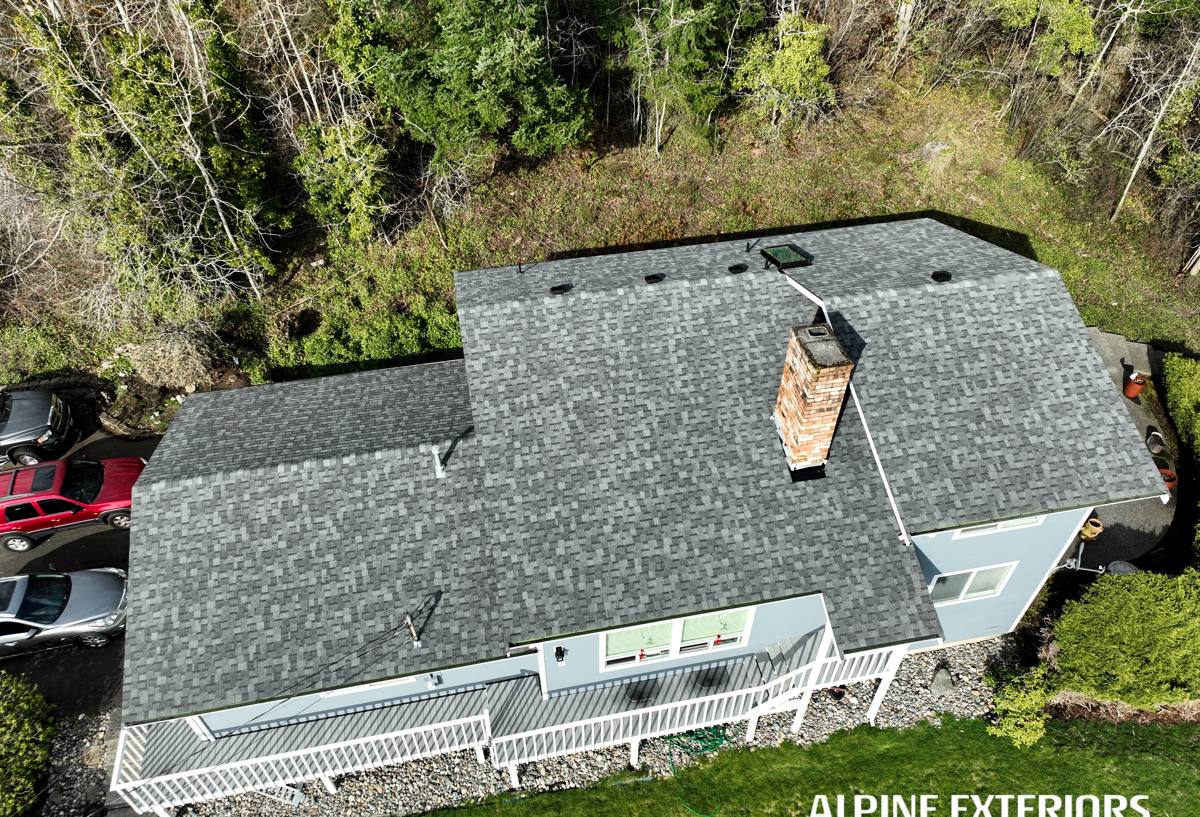
South Hill's terrain isn't flat, and that changes how a deck needs to be built. Sloped and stepped lots are common, which means footings often carry more load-bearing responsibility, ledger attachment points sit at odd angles relative to the house, and water runoff has to be managed carefully so it doesn't undermine posts or wash out soil beneath the structure over time.
Wind is the other factor. Elevated, exposed decks catch gusts that a ground-level backyard deck never sees. That affects railing bracing, post spacing, and how we tie the whole structure back into the house. None of this is exotic engineering — it's just paying attention to the actual site instead of building the same deck you'd put on a flat lot in a sheltered subdivision.
Repair or Replace? What We Actually Check
Not every tired-looking deck needs a full replacement, but plenty of decks that "just need a few boards" are actually past the point where a repair makes sense. Here's what we look at before we recommend either path:
- Soft or spongy spots when you walk the deck, especially near the house or at board seams
- Rot or discoloration at the ledger board — the beam bolted to your house, and the single most common failure point in this climate
- Rusted, streaking, or failed fasteners and hardware, which shows up faster in salt-exposed air
- Persistent moss or algae film that won't stay off even with regular cleaning, which usually means moisture is trapped rather than shedding
- Wobble or movement in railings or posts under normal pressure
- Gaps opening up between decking boards, or boards cupping and splitting
- Footings or posts that have shifted, settled, or show visible cracking
If it's one or two boards and the frame underneath is sound, repair is the honest answer and that's what we'll tell you. If the ledger, framing, or footings are compromised, patching the surface just hides the problem for a season or two before it comes back worse — usually as a safety issue, not just a cosmetic one.
What a Correct Deck Replacement Includes
Framing and Ledger Connection
The ledger board and its flashing are where most Bellingham-area deck failures start, because that's the joint most exposed to driving rain running down the side of the house. A proper replacement means flashing that actually sheds water away from the house sheathing, correct fastener spacing and type, and framing lumber rated for ground contact or exterior exposure where it's called for — not interior-grade lumber pressed into outdoor service.
Footings
On South Hill's sloped and sometimes softer soils, footing depth and bearing matter more than they would on a flat, well-drained lot. We size and place footings based on what the ground is actually doing, not a one-size-fits-all minimum, and check that existing footings on a replacement job are worth reusing before we build on top of them.
Decking Material and Fasteners
Given the moss and moisture exposure typical of this area, material choice matters more here than in drier parts of the state. We'll walk you through the honest trade-offs between wood and composite decking for your specific site — sun exposure, tree cover, and how much maintenance you actually want to keep up with — rather than pushing one product as a cure-all.
Railings and Code Compliance
Railing height, baluster spacing, and guard requirements are governed by the City of Bellingham building code, and elevated South Hill decks are exactly the kind of project where inspectors pay close attention to railing security. We build to code as the floor, not the ceiling — a railing that technically passes but flexes under a lean isn't a finished job in our book.
Decking Material Comparison for This Climate
| Material | How It Handles Rain & Moss | Maintenance | Typical Lifespan Here |
|---|---|---|---|
| Pressure-treated wood | Sheds water fine if sealed regularly; moss gains a foothold quickly if maintenance lapses | Annual cleaning and re-sealing recommended | 10-15 years with upkeep |
| Cedar | Naturally moisture-resistant, but still needs sealing to resist moss staining and softening | Regular sealing; more attentive care than treated wood | 15-20 years with upkeep |
| Composite decking | Doesn't rot, but can still grow surface algae/moss film in shaded, damp spots and needs periodic washing | Occasional washing; no sealing or staining | 25-30+ years, varies by product warranty |
| PVC/capstock decking | Fully sheds moisture, most resistant to moss staining of the common options | Occasional washing | 25-30+ years, varies by product warranty |
There's no universally "right" answer here — a shaded, north-facing South Hill deck under tree cover behaves differently than a sun-exposed deck with a bay view, even a few doors apart. We'll size up your specific exposure before recommending a material rather than defaulting to whatever's easiest to install.
What Drives the Cost
| Factor | Why It Matters |
|---|---|
| Deck size and shape | More square footage and multiple levels or angles increase material and labor |
| Decking material chosen | Wood costs less upfront; composite and PVC cost more but reduce long-term maintenance |
| Framing and footing condition | Sound existing framing lowers cost; compromised ledger or footings require rebuilding from the ground up |
| Site access | Hillside lots with limited access for equipment and material staging can add labor time |
| Railing and stair complexity | Custom railings, multiple stair runs, or code-driven guard requirements add cost |
| Permit requirements | City of Bellingham permitting and inspection are part of a compliant replacement, not an optional add-on |
We give you a written, itemized estimate before any work starts, so you know exactly what you're paying for and why — no vague lump-sum numbers that hide where the money's going.
Our Process, Start to Finish
- On-site assessment — we inspect the ledger, framing, footings, and decking surface, and tell you honestly whether you need a repair or a full replacement
- Written estimate — itemized pricing covering material, labor, and permit costs, with the material trade-offs explained plainly
- Permitting — we handle the City of Bellingham permit application and schedule required inspections
- Tear-out — full removal of the old deck surface and any compromised framing or footings
- Rebuild — new footings as needed, correctly flashed ledger connection, code-compliant framing, decking, and railings
- Final inspection and walkthrough — we confirm the work passes inspection and walk the finished deck with you before calling the job done
Why a Crew That Already Works South Hill Matters
South Hill has narrow streets, steep driveways, and lots that don't always give you a flat staging area for materials and equipment — details that matter on the day of the job, not just in the planning. A crew that's worked the neighborhood before knows how to plan access, protect landscaping on a slope, and stage material efficiently without a wasted trip up the hill.
Just as important is familiarity with how Bellingham's permitting and inspection process runs for elevated, hillside decks specifically. We're not learning the city's requirements on your job — we already know what an inspector on a South Hill project is going to look for, which means fewer surprises and fewer delays between rough framing and final sign-off.
We're also around after the job is done. If a fastener starts showing rust streaks in year three, or moss builds up faster than expected on a shaded section, you're calling a local crew that knows your deck's history — not searching for whoever's available this time.
Let's Take a Look at Your Deck
If your South Hill deck is showing soft spots, rust, or moss that won't quit, it's worth a second opinion before you decide between a patch job and a full rebuild. We'll come take a look, tell you plainly what we find, and put together a free, no-pressure estimate — just fill out the form below to get started.