 Bellingham
 Deck Repair Built for Edgemoor's Waterfront Climate
Edgemoor sits close to Bellingham Bay, and that proximity to the water shapes everything about how a deck ages here. Salt-laden air moves in off the bay, wind-driven rain finds its way into joints that would stay dry a few miles inland, and the tree cover that makes so many Edgemoor lots beautiful also means decks spend long stretches of the year shaded, damp, and slow to dry. None of that is a defect in a deck's design — it's just the reality of building in this part of Whatcom County, and it means deck repair here has to account for things a contractor working in a drier, more exposed neighborhood might never think about.
We've repaired decks throughout the Bellingham area long enough to know that a "quick fix" that ignores the local climate usually fails again within a season or two. This page walks through what actually happens to decks in Edgemoor, what a correct repair looks like, and how we approach the work so it holds up.
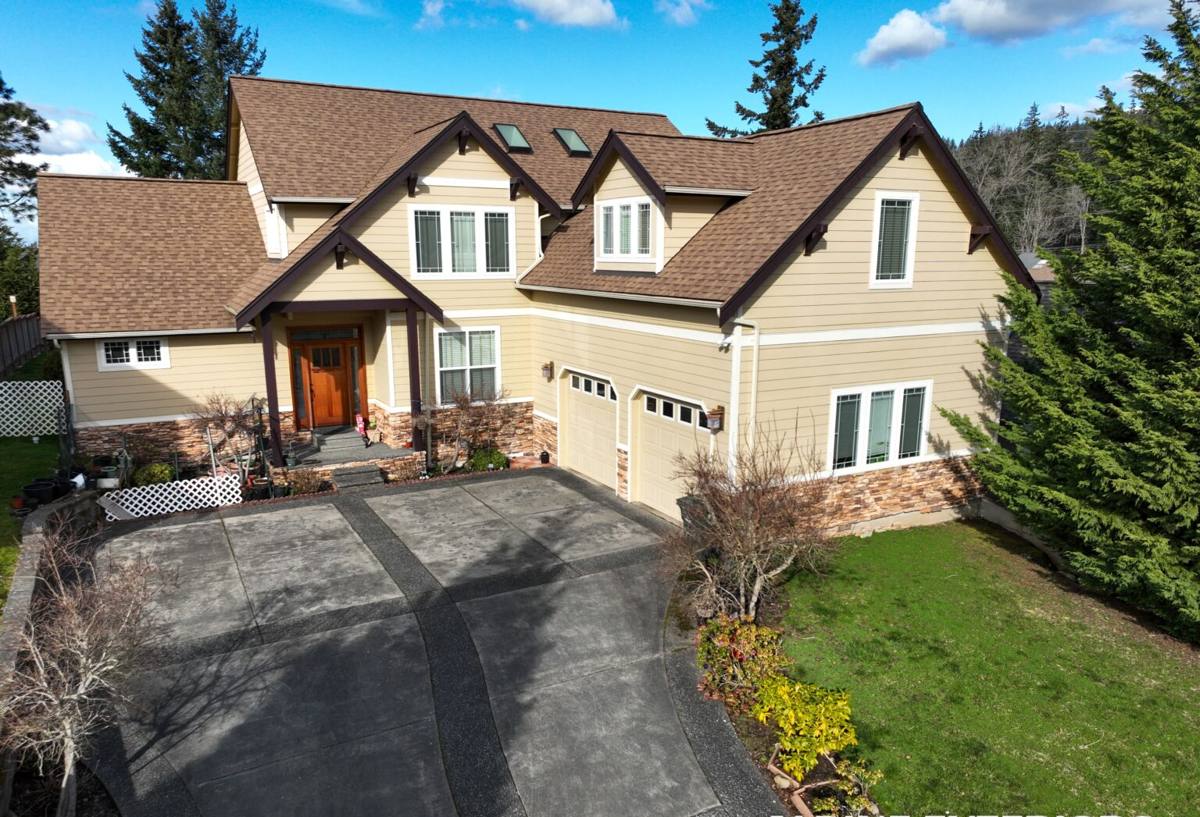
What Bellingham's Marine Climate Does to a Deck
Salt Air and Fastener Corrosion
Even a modest distance from saltwater is enough to accelerate corrosion in standard fasteners and metal hardware. Nails, screws, joist hangers, and structural connectors that would last decades in an inland yard can start rusting, staining the surrounding wood, and losing holding strength much sooner near the bay. Rust stains bleeding through decking boards or around railing posts are one of the clearest signs that the original hardware wasn't rated for this environment.
Moss, Algae, and Trapped Moisture
Whatcom County's long, mild, wet stretch of the year gives moss and algae plenty of time to establish themselves on any deck surface that doesn't get much direct sun — and with mature trees shading many Edgemoor lots, that's a lot of decks. Moss holds moisture against the wood or composite surface far longer than open rain exposure would on its own, which speeds up rot in wood decking and can make composite surfaces slick and discolored over time.
Driving Rain and Water Intrusion
It isn't just total rainfall — it's the direction it comes from. Wind off the water can drive rain sideways into ledger boards, under flashing, and into the end grain of boards that would otherwise shed water fine. Once water gets behind a ledger board or under a poorly flashed stair stringer, it can rot framing from the inside while the surface still looks reasonable.
Signs an Edgemoor Deck Needs Repair
Most deck problems don't show up as a dramatic failure — they show up as small clues that get worse over a wet Bellingham winter if they're ignored. Walk your deck and check for these:
- Soft, spongy, or springy spots underfoot, especially near the house or stairs
- Rust streaks running down from screws, nails, or metal brackets
- Gaps opening up where the deck attaches to the house (the ledger board)
- Wobbly railings or posts that shift when you push on them
- Persistent moss or dark green-black staining that keeps returning after cleaning
- Boards that have cupped, split, or pulled away from their fasteners
- Stair stringers or treads that flex or feel uneven
- Standing water that doesn't drain within a few hours of rain stopping
Any one of these can be minor on its own. Several of them together, especially around the ledger connection or support posts, usually means the framing needs a closer look, not just a surface fix.
What a Correct Deck Repair Actually Involves
A repair that only addresses what you can see from the top of the deck often misses the part of the structure doing the real work. We look at four systems on every job:
| Component | What Can Go Wrong | What a Proper Repair Does |
|---|---|---|
| Ledger board & flashing | Water intrusion behind the ledger, rot where it meets the house | Removes and rebuilds flashing so water sheds away from the house, not into it |
| Framing (joists, beams, posts) | Rot from trapped moisture, undersized or corroded connectors | Sisters or replaces compromised framing, upgrades hardware to corrosion-resistant hangers |
| Decking surface | Cupping, splitting, moss staining, loose boards | Replaces damaged boards and re-fastens with hardware rated for coastal exposure |
| Railings & stairs | Loose posts, failing connections, code gaps | Rebuilds attachment points to current structural standards, not just tightens what's loose |
The ledger board and framing repairs matter most because they're the part of the deck holding everything else up. A beautiful new decking surface over rotted joists is a cosmetic fix, not a repair.
Repair vs. Replace: How We Decide
Not every deck problem calls for a full rebuild, and we don't push a replacement when a targeted repair will genuinely hold up. The honest answer usually comes down to how much of the framing is affected versus the surface:
- Repair usually makes sense when the framing is sound and the problems are limited to decking boards, railings, stairs, or isolated rot at a ledger or post base
- Replacement usually makes more sense when rot has spread through multiple joists or beams, the deck was undersized or under-fastened to begin with, or repeated repairs haven't solved a recurring moisture problem
We'll tell you plainly which category your deck falls into and why, including showing you what we find once boards come up — not just what's visible from the surface.
Fasteners and Materials for Bay-Adjacent Exposure
Given the salt air and moisture in Edgemoor, the hardware choice matters as much as the lumber choice. Standard electro-galvanized fasteners are common in inland construction but tend to corrode faster this close to the bay.
| Fastener/Material | Where It Works Well | Trade-Off |
|---|---|---|
| Standard galvanized | Inland, low-moisture applications | Corrodes faster near salt air; not our first choice in Edgemoor |
| Hot-dip galvanized | General coastal repair work | Good value, solid corrosion resistance for most framing connections |
| Stainless steel | Visible fasteners, ledger connections, high-exposure spots | Higher upfront cost, longest service life in salt air |
| Pressure-treated lumber | Framing and structural members | Needs to stay properly sealed and ventilated to resist rot |
| Composite decking | Low-maintenance surfaces prone to moss/algae | Higher material cost; still needs solid framing underneath |
We match the fastener and hardware grade to how exposed that part of the deck is — you don't necessarily need stainless steel everywhere, but the connections doing the structural work and anything facing the weather directly are not the place to save money.
Our Deck Repair Process
- On-site assessment. We inspect the deck from underneath where possible, check the ledger connection, probe suspect boards and posts, and identify how far any rot or corrosion has spread.
- Honest scope and estimate. You get a clear breakdown of what needs to be replaced, what can be repaired, and why — before any work starts.
- Demo of compromised material only. We remove what's actually damaged rather than tearing into sound structure unnecessarily.
- Framing and flashing repair. This is where we rebuild the parts you won't see once the job is done but that determine whether the repair lasts.
- Surface, railing, and stair work. New decking, hardware, and railing components go in matched to the rest of the structure.
- Final walkthrough. We check the deck for level, secure railings, and proper drainage before calling the job done.
For structural repairs — replacing framing, rebuilding a ledger connection, or altering railings — permits are often required under local building codes, and we handle that process rather than leaving it to you to sort out.
Maintaining Your Edgemoor Deck Between Repairs
A repaired deck still needs seasonal attention in this climate, particularly through Bellingham's long wet stretch from fall through spring when moss growth is at its worst.
- Sweep leaves and debris off the deck regularly — trapped organic matter holds moisture and feeds moss
- Clean moss and algae off surfaces before it has a chance to stain or soften the wood
- Check that gaps between boards stay clear so water can drain instead of pooling
- Look at the ledger board area once or twice a year for any new gaps, staining, or soft spots
- Re-seal or re-stain wood decking on the schedule the product calls for — UV exposure is lower here, but moisture cycling still breaks down finishes
Why an Edgemoor-Familiar Crew Makes a Difference
Decks built near Bellingham Bay deal with a different set of stresses than decks a few miles inland, and it shows in how they fail. A crew that hasn't worked this specific stretch of Whatcom County may default to standard fastener grades, skip extra flashing detail at the ledger, or underestimate how much moss and shade will affect a deck's long-term condition. We've seen what actually goes wrong on decks in this neighborhood, which means we're not guessing at what to upgrade — we know where the salt air and rain typically cause trouble and we build the repair around that from the start.
If your deck is showing any of the warning signs above, or it's just been a while since anyone looked at the framing underneath, we're happy to come take a look. Reach out for a free, no-pressure estimate using the form below — we'll tell you plainly what we find and what it would take to fix it right.