 Bellingham
 Building a Deck That Actually Holds Up in Columbia
Columbia is one of Bellingham's older, established neighborhoods, and that means a lot of the decks we get called out to look at are original to homes built decades ago, or additions bolted onto them somewhere along the way. Whatcom County's climate doesn't do those structures any favors. Between salt-laden air off the bay, long stretches of driving rain, and a moss season that can run from October through May, a deck here is under near-constant moisture pressure for most of the year. A deck built the way it might be built in a drier inland climate will show problems within a few years in Columbia — soft spots at the ledger, green film on the boards by the second winter, fasteners bleeding rust down the face of the joists. Building one correctly for this specific neighborhood means designing around water and salt from the first stringer line, not treating them as maintenance items to deal with later.
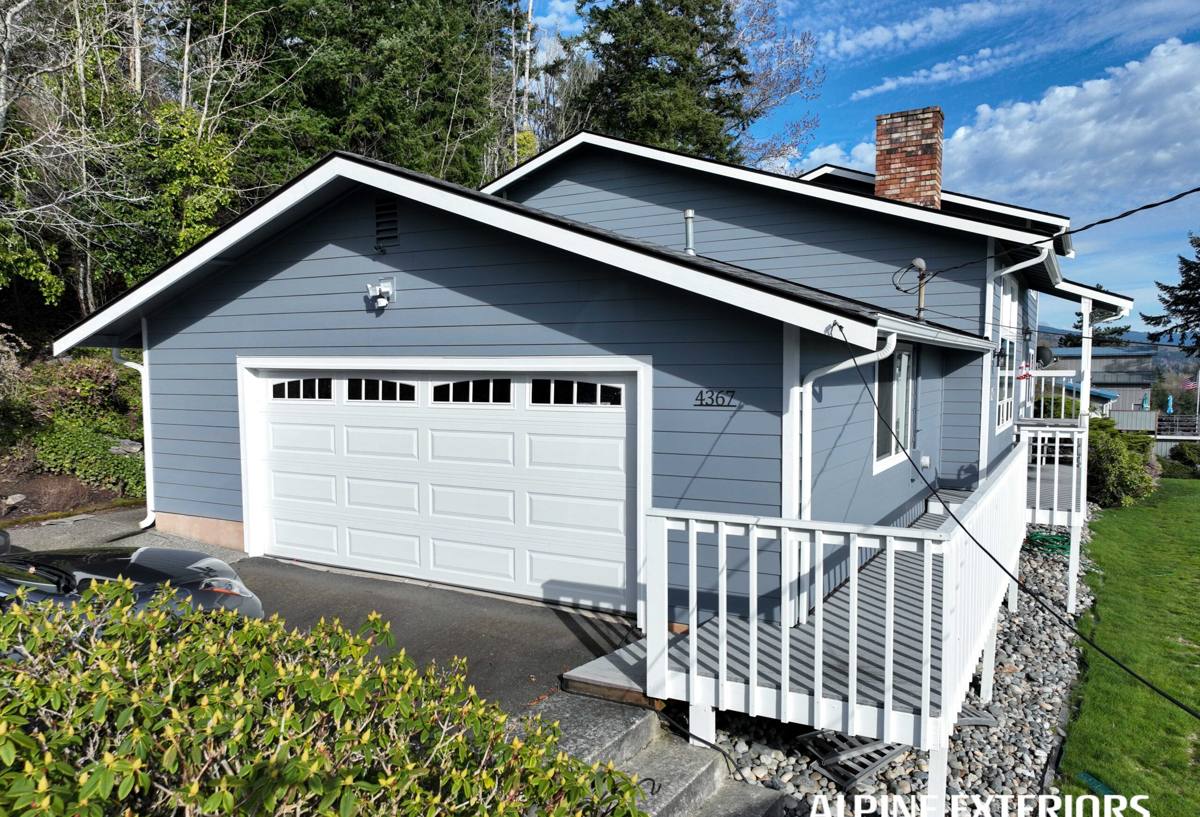
What Local Homes Actually Need From a Deck
Every deck we build in Columbia has to answer to the same three stressors: standing moisture, airborne salt, and shade-driven moss growth. That shapes real decisions in the design, not just the finish.
Moisture management from the ground up
Bellingham's rain doesn't fall hard and stop — it sits. Ground-level decks and low-clearance decks in Columbia's older lots often don't have enough airflow underneath to dry out between storms, which is exactly the condition mold, rot, and insect activity need. We plan for clearance and cross-ventilation at the framing stage, not as an afterthought, and we grade or gravel underneath rather than leaving bare soil that holds water against the joists.
Salt-air corrosion
Proximity to the water means metal fasteners, brackets, and hardware corrode faster here than they would ten or twenty miles inland. Standard galvanized hardware can start showing rust streaks within a couple of seasons in a salt-exposed spot. We spec stainless steel or high-grade coated fasteners rated for coastal exposure on ledger connections, joist hangers, and any hardware that's structural — the parts you really don't want failing quietly under a deck.
Moss and biological growth
Shaded, north-facing, or tree-covered lots — common throughout Columbia — hold moisture on deck surfaces long after the rain stops. Moss isn't just cosmetic; it holds water against the board and accelerates decay underneath it. Board spacing, surface texture, and drainage slope all affect how much moss takes hold, and we design for that rather than leaving it purely to a yearly pressure wash.
What a Correct Deck Build Actually Involves
A deck is a structure first and a surface second. Getting the visible decking right means nothing if the framing underneath is undersized, poorly fastened, or improperly flashed. Here's what we treat as non-negotiable on every Columbia project:
- Proper ledger board attachment with flashing that sheds water away from the house rim joist — this is the single most common failure point we find on older decks
- Footings sized and set below frost depth and on stable soil, not just poured on grade
- Joist spacing matched to the actual decking material span rating, not a generic 16-inch default
- Corrosion-resistant hardware throughout, not just at points that are easy to inspect later
- Positive drainage slope away from the house, so water sheds off the deck instead of pooling against siding
- Stair and guard framing built to current structural load requirements, not just visual code minimums
Decking Material Comparison for Columbia's Climate
Material choice matters more here than in drier climates, because whatever you pick is going to spend a lot of its life wet. Below is an honest comparison based on how each material actually performs under salt air, standing moisture, and moss pressure — not just sticker price.
| Material | Moisture Behavior | Moss Resistance | Maintenance Burden | Typical Lifespan Here |
|---|---|---|---|---|
| Pressure-treated wood | Absorbs and releases moisture; prone to cupping if not sealed regularly | Low — needs regular cleaning/sealing | High — annual cleaning and re-sealing recommended | 10-15 years with upkeep |
| Cedar | Naturally moisture-resistant but still needs sealing on exposed surfaces | Moderate | Moderate to high | 15-20 years with upkeep |
| Composite decking | Doesn't absorb water like wood, but surface can hold moss film if shaded | Moderate — surface texture matters | Low — periodic washing, no sealing | 25+ years |
| PVC / capstock boards | Fully moisture-resistant core, sheds water quickly | Moderate to good depending on texture | Low | 25-30+ years |
We don't push any one product as a default — the right choice depends on the deck's sun exposure, how much shade and tree cover it sits under, and what the homeowner wants to spend on upkeep versus upfront cost. A sunny, exposed deck in Columbia can do fine in cedar with a sealing routine. A shaded deck tucked under trees is usually a better long-term fit for composite or capstock, simply because it will spend more days wet and a low-maintenance surface makes more sense there.
Our Process, Step by Step
1. On-site assessment
We walk the lot, check drainage patterns, sun exposure, and existing structure if there's a deck to replace. In Columbia specifically, we're also checking proximity to the water for salt exposure and looking at tree cover for shade and moss risk.
2. Design and material selection
We talk through decking material, railing style, and layout against the site conditions we just found — not a one-size template. This is where we give straight advice on tradeoffs, including telling you when a cheaper material will cost more in maintenance than it saves upfront.
3. Permitting
Deck construction in Bellingham typically requires a building permit once you're past a certain size or height above grade, and guard/stair requirements are enforced under the adopted building code. We handle the permit submission and inspections as part of the build so nothing gets built that has to be torn back apart later.
4. Framing and structural work
Ledger, footings, beams, and joists go in to the spec we discussed — including corrosion-resistant hardware and proper flashing at the house connection.
5. Decking, railing, and finish work
Surface material goes down last, along with railings, stairs, and any finishing or sealing the material calls for.
6. Final walkthrough
We walk the finished deck with you, cover basic care for whatever material was installed, and make sure drainage is performing the way it was designed to.
Where Older Columbia Decks Usually Fail
Most of the deck problems we get called to inspect in this neighborhood trace back to a handful of repeat issues:
- Ledger boards attached without proper flashing, letting water track into the house rim joist
- Standard galvanized hardware corroding faster than expected due to salt air exposure
- Low clearance underneath the deck with no ventilation, trapping moisture against the framing
- Decking boards installed tight together with no gap for drainage, holding water and growing moss
- Footings that were undersized or poured too shallow for the soil and frost conditions
None of these are visible from a quick look at the surface, which is why so many deck problems in Columbia go unnoticed until there's a soft spot underfoot or a railing that's gone spongy.
Cost Factors Worth Understanding
Deck pricing varies a lot based on size, material, and site conditions, and we'd rather explain what drives the number than throw out a figure that doesn't apply to your specific lot.
| Factor | Why It Matters |
|---|---|
| Decking material | Pressure-treated wood costs less upfront; composite and PVC cost more but reduce long-term maintenance |
| Height above grade | Taller decks need more substantial footings, framing, and guard rail structure, plus more inspection scrutiny |
| Site access and slope | Sloped or hard-to-access lots, common in parts of Columbia, can add labor time for footings and material staging |
| Existing deck removal | Tearing out and hauling an old deck adds cost but is often necessary if the framing underneath is compromised |
| Railing and stair style | Custom railing materials (metal, glass, cable) cost more than standard wood or composite balusters |
Ongoing Maintenance That Actually Matters Here
Whatever material you choose, a few habits make a real difference in how long a deck lasts in this climate:
- Sweep debris and standing leaves off the surface regularly, especially in fall — trapped organic matter holds moisture and feeds moss
- Clean moss and algae off the surface at least once a year, more often on shaded decks
- Check and re-seal wood decking on the schedule the manufacturer recommends — skipping a year in this climate shows up fast
- Keep gutters and downspouts clear so roof runoff isn't dumping extra water directly onto or near the deck
- Have the substructure checked every few years, especially the ledger connection, since that's hidden from normal view
Why Hiring a Crew That Already Works Columbia Matters
A deck built to a generic spec sheet doesn't account for what this specific neighborhood throws at it. A crew that's already worked homes in Columbia knows which lots sit closer to salt air exposure, which older homes have ledger connections that need extra attention, and how much shade and moss pressure a given yard is realistically dealing with. That local pattern recognition is the difference between a deck that needs attention every year and one that just holds up. It also means faster, more accurate permit handling with Bellingham's process, since we're not learning the requirements for the first time on your project.
If you're planning a new deck or replacing one that's showing its age, we're happy to walk the site with you and talk through what makes sense for your specific yard and budget — no pressure, no obligation. Use the form below to request a free estimate.