 Bellingham
 Window Replacement Built for York's Older Housing Stock
York is one of Bellingham's older, established neighborhoods, and that shows in the windows we get called out to look at. A lot of homes here were built well before modern window flashing, low-E glass, or vinyl framing existed, which means many original or first-replacement windows are now decades past their useful life. Add in Whatcom County's marine climate — salt-tinged air off Bellingham Bay, long stretches of driving rain, and a moss season that seems to run most of the year — and you get a specific, predictable set of failure patterns that show up again and again on York's older homes.
Replacing windows in a neighborhood like this isn't just a swap-and-go job. It's understanding how the original openings were built, what's likely hiding behind the trim, and how to detail the new install so it actually holds up to another few decades of Pacific Northwest weather.
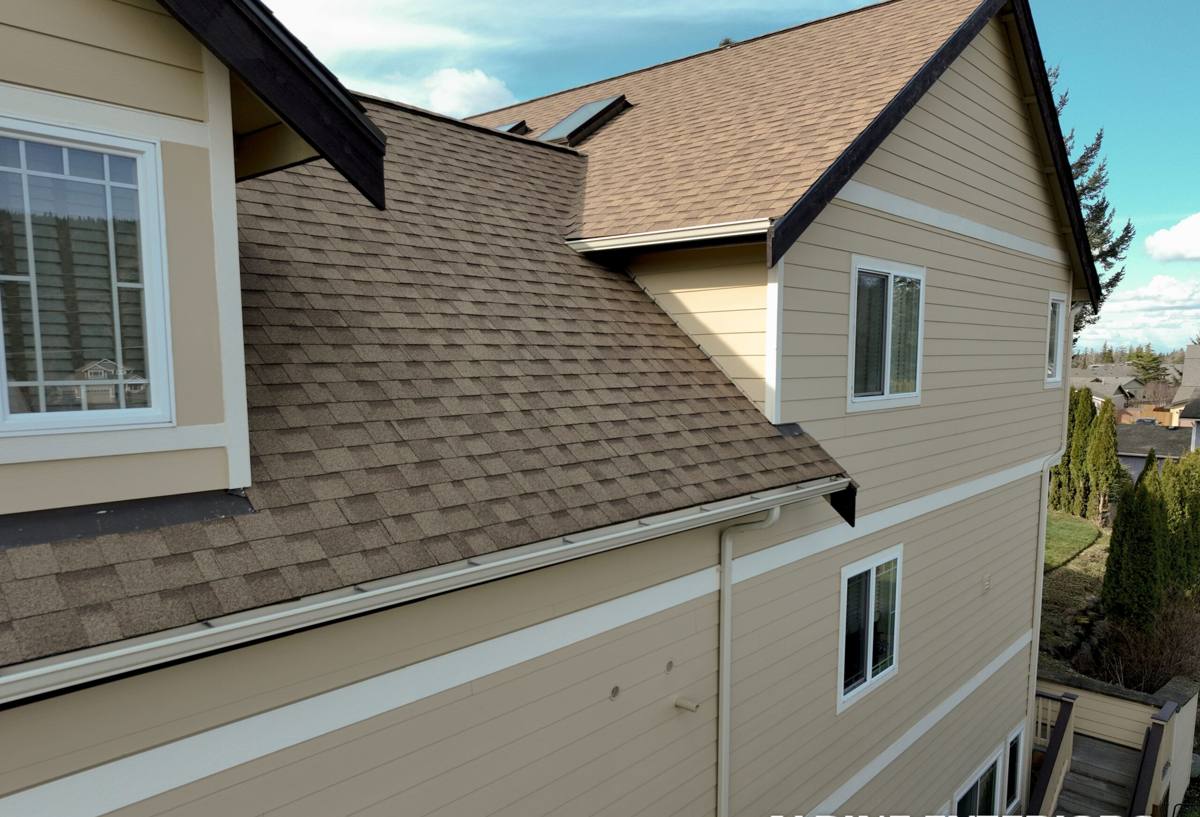
What Bellingham's Climate Does to Windows Over Time
Every coastal Pacific Northwest town deals with rain. What makes Bellingham and Whatcom County a little tougher on windows is the combination of factors working together instead of separately.
Salt Air and Metal Fatigue
Proximity to Bellingham Bay means a steady low level of salt-laden moisture in the air, especially on homes with any westerly or northerly exposure. Over years, that accelerates corrosion on window hardware, aluminum components, and unprotected fasteners. Locks stick, cranks seize, and weep holes clog with corrosion residue long before the glass itself fails.
Driving Rain and Wind-Driven Moisture
Bellingham doesn't just get rain, it gets rain pushed sideways by wind off the water. That kind of weather exposes weak flashing details and gaps in a way that a calm, straight-down rain never would. Older window installations that were fine for decades can start leaking once caulking and seals degrade enough to let wind-driven moisture find a path in.
Moss, Shade, and Prolonged Dampness
Between tree cover and our long wet season, moss and algae growth on siding and trim around windows is common in York and across Bellingham. It's not just cosmetic — moss holds moisture against wood trim and sills far longer than bare wood would dry on its own, which speeds up rot at exactly the point where the window meets the wall.
Signs a York Home's Windows Are Overdue
Most homeowners don't replace windows because they woke up and decided to; they replace them because something started bothering them. Here's what we hear most often, and what it usually means.
- Soft or discolored trim/sill wood — usually active rot, often worse than it looks from the outside
- Windows that won't stay open or won't latch — failed hardware or a frame that's shifted out of square
- Fogging or a cloudy look between panes — the seal on a double-pane unit has failed and the gas fill is gone
- Cold drafts near the frame even when the window is closed — deteriorated weatherstripping or gaps in old caulking
- Visible daylight or a whistling sound in wind — a clear sign of an air seal that's no longer doing its job
- Paint that keeps failing on the same spot — often points to moisture getting behind the trim, not just a bad paint job
- Noticeably higher heating bills than a similar-sized home nearby — old single-pane or worn double-pane glass loses heat fast
Any one of these on its own isn't necessarily an emergency. But on a York home with original or early-replacement windows, it's common to find two or three of these happening at once, which usually means it's time to plan the work rather than patch around it again.
Matching the Window to the House, Not Just the Opening
Older Bellingham homes weren't built to standard modern window sizes, and York is no exception. Openings are often slightly out of square after decades of settling, and trim details on older homes carry real character that's worth preserving. That's why we treat every job as a measure-and-match project, not a catalog pick.
Full-Frame vs. Insert (Retrofit) Replacement
There are two basic approaches, and the right one depends on the condition of what's already there.
| Approach | What It Involves | Best For |
|---|---|---|
| Insert / retrofit | New window unit fits inside the existing frame, which stays in place | Frames that are still structurally sound and square |
| Full-frame replacement | Old frame is removed down to the rough opening, new flashing and frame installed | Frames with rot, water damage, or out-of-square openings — common in older York homes |
We'll only recommend an insert if the existing frame is genuinely sound. Installing a new window into a frame that already has hidden rot just locks moisture problems behind fresh trim, which costs more to fix later than doing it right the first time.
Window Materials That Actually Hold Up Here
Not every window sold nationally is a good fit for a wet, salt-air coastal climate. We steer clients toward materials and glass packages based on how they perform in this environment specifically, not just on sticker price.
| Material | How It Handles Our Climate | Trade-Offs |
|---|---|---|
| Vinyl | Good moisture and corrosion resistance, low maintenance | Limited color/finish flexibility on some older or historic-character homes |
| Fiberglass | Very stable in temperature swings and moisture, strong long-term durability | Higher upfront cost than vinyl |
| Wood or wood-clad | Matches original character on older homes, warm appearance | Needs ongoing maintenance to keep moisture from reaching bare wood — a real consideration given our rain and moss |
| Aluminum-frame | Strong and slim sightlines | Prone to condensation and, over time, corrosion issues in salt-influenced coastal air unless thermally broken |
For most York homes we lean toward vinyl or fiberglass with a solid double- or triple-pane low-E glass package as the practical, low-maintenance choice. If a homeowner wants to preserve a wood-window look on a character home, we're glad to install wood-clad units — we just make sure they understand the maintenance commitment that comes with it, so there are no surprises five years down the road.
Our Window Replacement Process
- On-site assessment. We look at every window being considered, check the condition of the framing and sill, and note any moisture or rot before quoting anything.
- Honest scope and pricing. You get a clear breakdown of what's insert-ready versus what needs full-frame work, so there's no bait-and-switch once we open a wall.
- Material and glass selection. We walk through options suited to your home's exposure, budget, and style — not just whatever's easiest to install.
- Proper flashing and sealing. This is the step that actually determines whether a window leaks in five years. We flash to shed wind-driven rain, not just block it.
- Installation and fit check. Units are set plumb, level, and square, with hardware tested before we consider the job done.
- Site cleanup and walkthrough. We show you the finished work and how to operate and maintain your new windows.
What Affects the Cost
Every York home is different, so we don't quote sight unseen — but these are the main factors that move a project's price up or down.
| Factor | Why It Matters |
|---|---|
| Insert vs. full-frame replacement | Full-frame work involves more labor, framing repair, and flashing detail |
| Number and size of window openings | Larger or custom-sized openings cost more to fabricate and install |
| Material (vinyl, fiberglass, wood-clad) | Material and glass package are the largest line items in most quotes |
| Existing rot or hidden damage | Repairing damaged framing adds labor and material beyond the window itself |
| Trim and exterior finish matching | Matching existing trim profiles on older homes can add time for custom work |
As a general rule, insert replacements cost less than full-frame work, and simple standard-size windows cost less than large or custom shapes. We'll always tell you upfront which category your project falls into and why, before any work starts.
Why It Matters That We Already Work in York
A crew that's worked on other older Bellingham homes knows what's typically hiding behind original trim before we even open it up — the type of sheathing common to the era, how these houses were originally flashed (or weren't), and where rot tends to hide on a home exposed to driving rain off the bay. That experience shortens the surprises during a project and helps us give you a more accurate quote from the start, instead of a number that balloons once the walls come open.
It also means we understand the character worth preserving. Many York homes have real architectural detail — trim profiles, proportions, sightlines — that's part of what makes the neighborhood what it is. We aim to replace windows in a way that respects that character rather than making a character home look like it got a big-box retrofit.
Keeping New Windows Performing After Install
New windows still need a little attention in a climate like ours.
- Rinse salt residue and grime off exterior glass and frames a couple times a year, especially on wind-exposed sides of the house
- Keep moss and debris cleared from sills and adjacent trim so moisture doesn't sit against the frame
- Check weep holes on the exterior periodically to make sure they're not blocked by dirt or growth
- Operate locks and cranks through their full range occasionally, even on windows you rarely open, to keep hardware from seizing
- Watch for any soft spots developing in adjacent wood trim, and address them early rather than letting moisture spread
If you're noticing drafts, fogged glass, sticking hardware, or trim trouble on a York home's windows, it's worth having someone take an honest look before winter's driving rain finds every gap. We offer free, no-pressure estimates — walk us through what you're seeing, and we'll tell you straight what's actually needed and what it'll cost, using the form below.