 Bellingham
 Siding Repair Built for Ferndale's Coastal Exposure
Ferndale sits close enough to Bellingham Bay and the Strait of Georgia that homes here take on a different kind of weather load than siding inland in Whatcom County. Salt-laden air moves in off the water, wind-driven rain hits gable ends and west-facing walls hard during fall and winter storms, and the long, damp shoulder seasons give moss and algae plenty of time to get established on anything that stays shaded and wet. Siding that would hold up fine in a drier climate can fail early here if it wasn't built or installed for this exposure.
Repair work in Ferndale isn't just about patching a hole or replacing a cracked board. It's about understanding why that spot failed in the first place — usually moisture, usually because water found a way behind the siding or sat somewhere it shouldn't have — and fixing the underlying cause, not just the symptom.
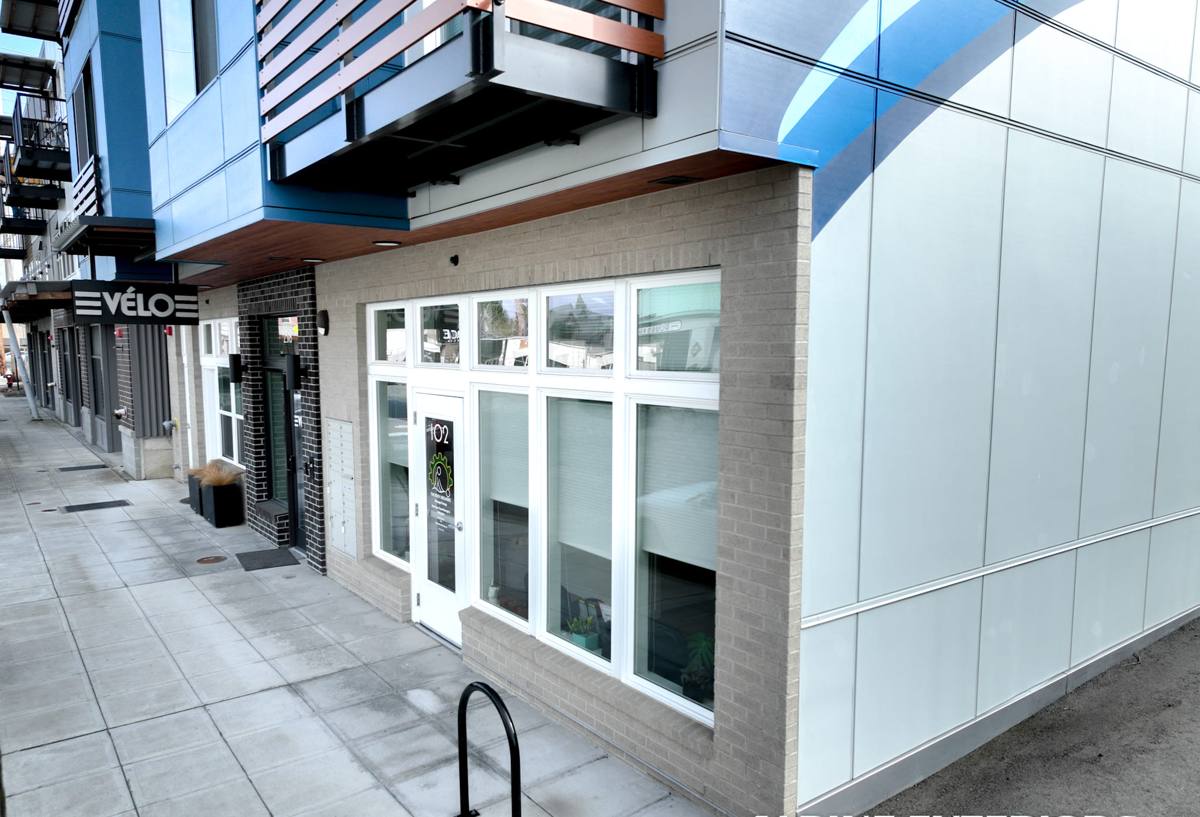
What Ferndale's Climate Actually Does to Siding
Salt Air and Corrosion
Homes closer to the water deal with a slow, steady corrosive effect on fasteners, flashing, and any metal trim tied into the siding system. Nails or staples that aren't rated for coastal exposure can rust, stain the siding face, and eventually lose their grip. When we open up a repair area near the coast, corroded fasteners are one of the most common root causes we find behind a failing section.
Driving Rain and Wind Exposure
Storms coming off the water don't just fall straight down — they drive rain sideways into walls, especially at corners, around windows, and at gable ends with less roof overhang protection. Over years, that repeated wetting finds every weak seam, gap, or under-caulked joint. Wood-based and wood-composite sidings are especially vulnerable because once water gets behind the face, the material itself absorbs and holds moisture.
Moss, Algae, and the Long Wet Season
Whatcom County's wet season runs long, and shaded north- and west-facing walls near trees or fences often stay damp for weeks at a stretch. Moss and algae growth on siding isn't just cosmetic — it holds moisture against the surface, which accelerates rot in wood products and can degrade paint film and caulk lines faster than expected.
Common Repair Scenarios We See in Ferndale
- Soft, spongy, or delaminating boards near ground level, decks, or downspout discharge points
- Cracked or split boards at corners and butt joints where caulk has failed
- Rust streaking or bleeding around fasteners and trim
- Bubbling or peeling paint that signals moisture trapped behind the surface
- Gaps or separation around window and door trim letting wind-driven rain behind the siding
- Persistent moss or algae staining on shaded walls that won't wash off and keeps coming back
- Impact damage from storms, falling branches, or yard equipment
What a Correct Siding Repair Actually Involves
A repair that just swaps a damaged board for a new one without checking what's behind it is a repair that's likely to fail again. Here's what we look at on every repair call:
1. Diagnose the Moisture Path
Before we touch a board, we want to know how water got in. That might mean pulling the damaged section, checking the house wrap or building paper behind it, and inspecting flashing at windows, doors, and horizontal trim. Repairing the surface without addressing a flashing gap or a failed weather barrier just buys a year or two before the same spot fails again.
2. Assess the Extent of Damage
Moisture damage rarely stays contained to the board that shows the problem. We check adjacent boards, sheathing, and framing where accessible. Sometimes a "small repair" turns into a larger section once we see how far the water traveled — we'll always tell you what we find before proceeding, not after.
3. Match Materials Correctly
If the home is already sided in James Hardie fiber cement, repairs should be done with matching Hardie product and factory ColorPlus finish where possible, so the patch weathers the same way as the surrounding siding and the warranty coverage isn't compromised. If the home has wood, engineered wood, or vinyl siding, we'll repair it appropriately and give you an honest read on how much longer that material is likely to hold up in this climate — sometimes a repair is the right call, and sometimes it's a stopgap on a product that's nearing the end of its usable life here.
4. Rebuild the Water Management, Not Just the Face
Proper flashing, correctly lapped house wrap, and rated fasteners go back in before the new siding face goes on. This is the part of a repair that isn't visible once it's done — and it's the part that determines whether the repair lasts five years or fifteen.
Repair vs. Replace: How We Help You Decide
Not every damaged wall needs full replacement, and not every "quick patch" is the right long-term move. We look at a few factors honestly before recommending either path:
| Factor | Favors Repair | Favors Replacement |
|---|---|---|
| Extent of damage | Isolated to a few boards or one wall section | Recurring damage across multiple walls or the whole exposure |
| Underlying material | Original siding is sound James Hardie fiber cement | Original siding is wood, LP-style composite, or vinyl nearing end of life |
| Cause of failure | One-time impact or a single flashing gap | Systemic moisture intrusion from age or a failed weather barrier |
| Age of siding | Siding is well within its expected service life | Siding is old enough that repairs are becoming frequent |
| Coastal exposure | Wall is sheltered from prevailing wind-driven rain | Wall faces the water-side exposure and shows repeated wear |
If your home already has James Hardie siding, most Ferndale repair jobs are straightforward — the material itself resists moisture absorption and won't rot, so failures usually trace back to a flashing or installation detail rather than the siding itself. If your home has a wood, wood-composite, or vinyl product and you're facing your second or third repair in a few years, that's usually the point where we'll walk you through what a Hardie replacement would look like instead of continuing to chase patches.
Why We Don't Just Recommend Patching Everything
We're not going to sell you a full re-side when a clean, well-executed repair will do the job. But we're also not going to keep patching a wall every couple of years and calling it a fix. Fiber cement, and James Hardie's HZ5 product line specifically engineered for Pacific Northwest moisture exposure, holds up to Ferndale's salt air and driving rain in a way that wood-based products generally don't over the long haul. When repair work on an aging non-Hardie exterior stops making financial sense compared to replacement, we'll tell you plainly — with the reasoning, not just a sales pitch.
Our Repair Process in Ferndale
- On-site inspection — we look at the damaged area, the siding material, and check for signs the problem extends further than what's visible
- Honest assessment — you get a clear explanation of what caused the damage and what it will take to fix it correctly
- Written estimate — scope, materials, and timeline, with repair and (if relevant) replacement options laid out side by side
- Correct repair — matching materials, proper flashing and moisture barrier work, and fastening appropriate for coastal exposure
- Cleanup and walkthrough — we show you what was done and what to watch for going forward
Why Hiring a Crew That Already Works in Ferndale Matters
Siding repair done wrong is worse than no repair at all — it can trap moisture instead of managing it, and hide a bigger problem under a fresh coat of paint. A crew that regularly works Whatcom County's coastal exposure knows which walls in a given orientation tend to take the worst of the wind-driven rain, what moss and algae buildup patterns usually mean underneath, and how flashing details need to be handled differently near the water than they would twenty miles inland. That local pattern recognition shortens the diagnosis and reduces the chance of a repair call turning into a repeat visit.
It also matters for material matching. If your home has James Hardie siding, sourcing the correct plank profile and ColorPlus finish takes familiarity with the product lines — get it wrong and the patch is visibly different from day one and may not carry the same warranty protection.
Get an Honest Look at Your Siding
If you're seeing soft spots, cracking, staining, or persistent moss on your Ferndale home's siding, it's worth having someone look before the damage spreads further. We'll give you a straight assessment of what's going on, what it will take to fix it right, and whether repair or replacement makes more sense for your situation — no pressure either way. Fill out the form below to schedule a free estimate.