 Bellingham
 Window Replacement Built for Lynden's Climate, Not a National Sales Script
Lynden sits inland from Bellingham Bay in the Nooksack Valley, surrounded by farmland and a few miles south of the Canadian border. That location doesn't shield the town from the marine climate that defines Whatcom County. Weather systems still push salt-laden air in off the water, driving rain runs sideways for weeks at a stretch in fall and winter, and the long gray stretch between October and April keeps everything — siding, trim, and window frames — damp long enough for moss and mildew to take hold. Older wood-framed windows in Lynden homes take that punishment directly on the sash, the sill, and the glazing seal.
A window that's merely "old" in a drier climate can be genuinely failing here — swollen shut, rotting at the corners, or fogged between panes because the seal gave out years ago. Replacing windows correctly in this area means building in moisture management from the start, not just dropping in a new unit and caulking around the edges.
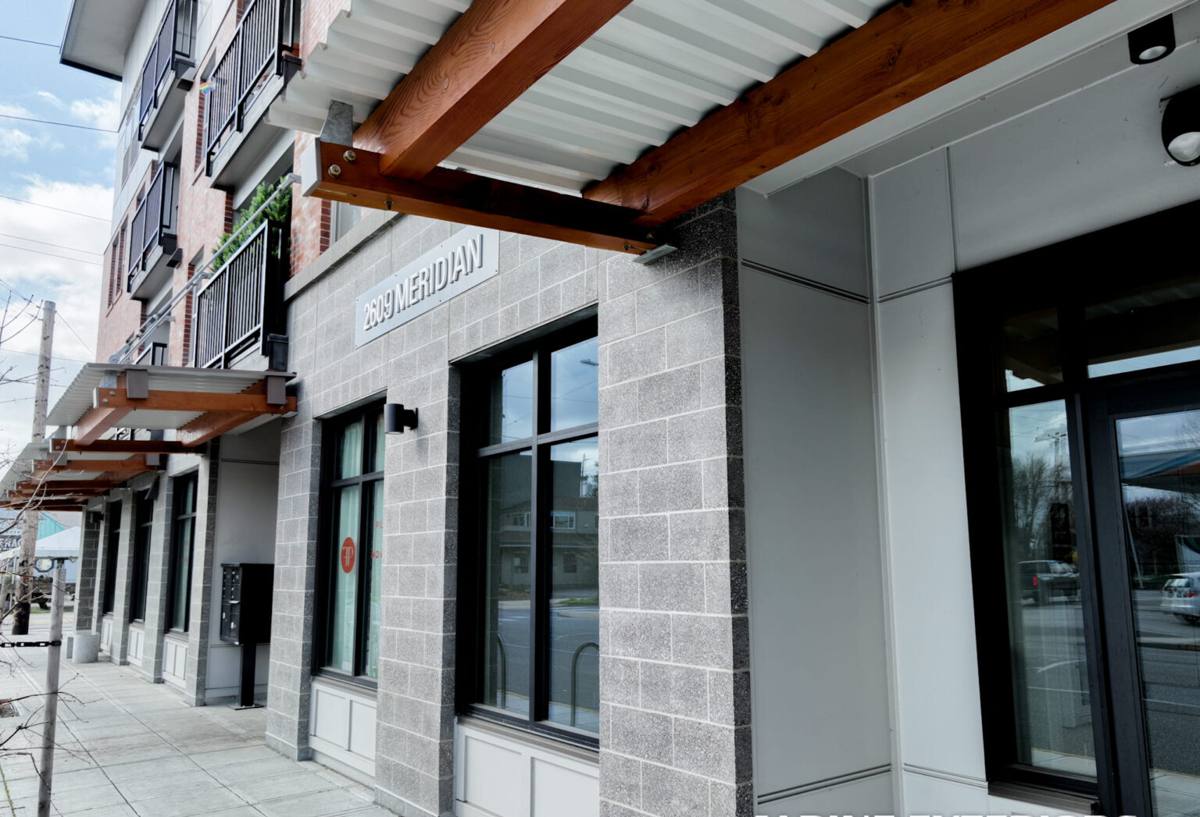
Signs a Lynden Home's Windows Have Reached the End of the Road
Not every window needs full replacement — some just need re-glazing or new weatherstripping. But certain symptoms point to a failing unit that repair won't fix:
- Fogging or a milky haze between the panes of a double-pane window — the seal has failed and the gas fill is gone
- Wood sashes or sills that are soft, swollen, or visibly rotting at the corners
- Windows that won't stay open, won't latch, or have been painted shut over the years
- Visible daylight or a draft you can feel with your hand along the frame on a windy day
- Condensation forming on the inside of the glass regularly through the winter
- Rising heating bills that don't match any other change in the house
- Moss or dark staining building up on the exterior trim around the window opening
Any one of these on its own isn't necessarily an emergency. Several of them on the same window, or the same symptom on multiple windows, usually means it's time to plan for replacement rather than another round of caulk and paint.
What a Correct Window Replacement Actually Involves
It's Not Just the Window Unit
The window itself is often the easy part. What separates a job that lasts twenty-plus years from one that fails in five is what happens at the rough opening — the flashing, the sealant, and the sequencing of materials so water that gets behind the siding has somewhere to go besides into your wall framing.
The Core Steps of a Proper Install
- Remove the old unit and inspect the rough opening for hidden rot, especially at the sill and bottom corners — this is where Whatcom County's wet winters do the most damage over time
- Repair or rebuild any compromised framing before a new window ever goes in — installing a new window into a rotten opening just hides the problem
- Install flashing tape and a sill pan so any water that gets past the window drains outward, not into the wall cavity
- Set the new window plumb, level, and square, then fasten per the manufacturer's schedule — not just a few screws wherever convenient
- Seal and insulate the gap between the window frame and the rough opening with the correct low-expansion foam or backer rod and sealant, avoiding gaps or over-packed foam that can bow the frame
- Integrate the new flashing with the existing house wrap or siding, lapped correctly so water sheds downward and outward
- Finish interior and exterior trim, then test operation and seal quality before calling the job done
Skip the sill pan or the flashing integration and the window can look fine for a year or two while water quietly works its way into the wall behind it — a much more expensive problem than the window itself.
Choosing the Right Window for a Lynden Home
Material Trade-Offs
There's no single "best" window material — the right choice depends on the home's age, budget, and how much upkeep you want going forward. Here's how the common options compare for this climate:
| Material | Upkeep in Wet Climate | Typical Lifespan | Notes |
|---|---|---|---|
| Vinyl | Low — no painting, won't rot | 20–30 years | Best value for most homes; quality varies a lot between manufacturers and installation grade |
| Fiberglass | Low — very stable in temperature swings | 30–40+ years | Higher upfront cost; holds paint well if you want a color change later |
| Wood (unclad) | High — needs repainting/sealing on a cycle | Varies widely with maintenance | We're upfront that unmaintained wood struggles in this rain pattern; only worth it if you're committed to the upkeep |
| Wood-Clad (vinyl/aluminum exterior) | Moderate — exterior is protected, interior wood still needs occasional attention | 25–35 years | Good middle ground for homes where wood interior trim matters aesthetically |
Glass Packages That Earn Their Keep Here
For Whatcom County's mix of cold snaps, wind off the water, and long damp winters, a dual-pane unit with a Low-E coating and argon gas fill is the practical standard — it cuts heat loss and condensation risk without the added cost of triple-pane, which mostly pays off in colder inland climates than ours. Where a room faces prevailing wind and rain, we'll sometimes recommend a slightly heavier-duty frame or additional flashing detail rather than upgrading the glass itself.
How We Handle a Lynden Window Replacement Job
Step 1: Walkthrough and Honest Assessment
We look at every window being considered, not just the ones you've noticed problems with, and check the framing condition, not just the glass. If a window doesn't need replacing yet, we'll say so.
Step 2: Written Scope and Straight Numbers
You get a clear breakdown of what's being replaced, what material and glass package we're proposing and why, and what the flashing and sealing detail will look like — no vague line items.
Step 3: Scheduling Around the Weather
Window replacement means the wall is open to the outside for a window, however brief. We plan installs around forecast windows and never leave an opening exposed overnight in a rain pattern — a discipline that matters a lot more here than it would in a drier region.
Step 4: Installation and Cleanup
We protect flooring and landscaping, remove old units and debris, and leave the work area cleaner than we found it.
Step 5: Final Walkthrough
Every window gets tested for smooth operation and a tight seal before we consider the job finished, and we walk you through basic care before we leave.
What Drives the Cost of a Window Replacement Project
We won't quote a number without seeing the home, but a few factors consistently move the price up or down on jobs in this area:
| Factor | Why It Matters |
|---|---|
| Number and size of windows | Larger openings and specialty shapes (bay, arch) cost more in unit price and labor |
| Framing condition | Rot repair at the rough opening adds labor beyond the window swap itself |
| Material and glass package | Vinyl vs. fiberglass vs. clad-wood, plus Low-E/argon options, all shift unit cost |
| Access and height | Second-story or hard-to-reach windows take longer and may need staging |
| Trim and siding tie-in | Matching existing trim profiles or repairing adjacent siding adds scope |
Most single-window replacements land in a broad middle range once you factor in quality materials and correct flashing work — we'll walk through where your specific project falls once we've seen it in person.
Why a Crew That Already Works in Lynden Makes a Real Difference
We're based out of Bellingham and work throughout Whatcom County, including Lynden on a regular basis, so we're not learning this area's building stock or its weather on your dime. We know that a lot of Lynden homes are older farmhouses or additions built in stages, which means rough openings aren't always standard sizes — something that catches out crews used to newer, more uniform construction. We also know the drive, which matters when a callback or a warranty check is needed; a local crew can be back out to your property the same week, not scheduled behind a route that runs through three other counties first.
Being local also means we're around for the long haul. If a seal starts to look off two years from now or you want a second opinion on a trim detail, you're calling a crew that's still working ten minutes away, not chasing down a company that did one job in the area and moved on.
Keeping New Windows Performing After Installation
A correctly installed window still benefits from basic upkeep, especially given how much moisture this region deals with over a typical year:
- Wipe down tracks and weep holes each fall so debris doesn't block drainage before the wet season hits
- Check exterior caulk lines once a year and touch up any cracking before winter rains arrive
- Clean moss or algae off nearby trim promptly rather than letting it sit against the frame
- Test locks and operation each season — a window that's hard to close is worth checking before it's forced
- Watch for any new condensation between panes, which signals a seal issue worth addressing early
None of this is heavy maintenance, but skipping it in a climate like ours shortens the life of even a well-installed window.
Get a Straight Answer on Your Lynden Windows
If you're dealing with drafty, foggy, or sticking windows anywhere in the Lynden area, we're happy to come take a look and give you an honest read on what's actually needed — whether that's full replacement, a partial fix, or nothing urgent at all. Fill out the form below for a free, no-pressure estimate.