 Bellingham
 Windows in Happy Valley Take a Different Kind of Beating
Happy Valley sits close enough to the water and to Bellingham's marine weather patterns that its homes see a specific combination of stress most inland neighborhoods don't deal with: salt-laden air, wind-driven rain that hits window walls sideways instead of straight down, and a long, damp moss season that keeps wood trim and sills wet for weeks at a stretch. None of that is dramatic on its own. It's the accumulation, year after year, that wears out seals, swells frames, and corrodes hardware faster than a spec sheet would suggest.
We work on homes in this neighborhood regularly, and the pattern is consistent. Windows that would still be serviceable in a drier climate are already fogging between panes, sticking in their tracks, or letting drafts through by year fifteen or twenty here. That's not a knock on any particular product — it's just what Whatcom County weather does to building materials over time. A window replacement done right for this area accounts for that from the start, rather than treating it as a generic swap.
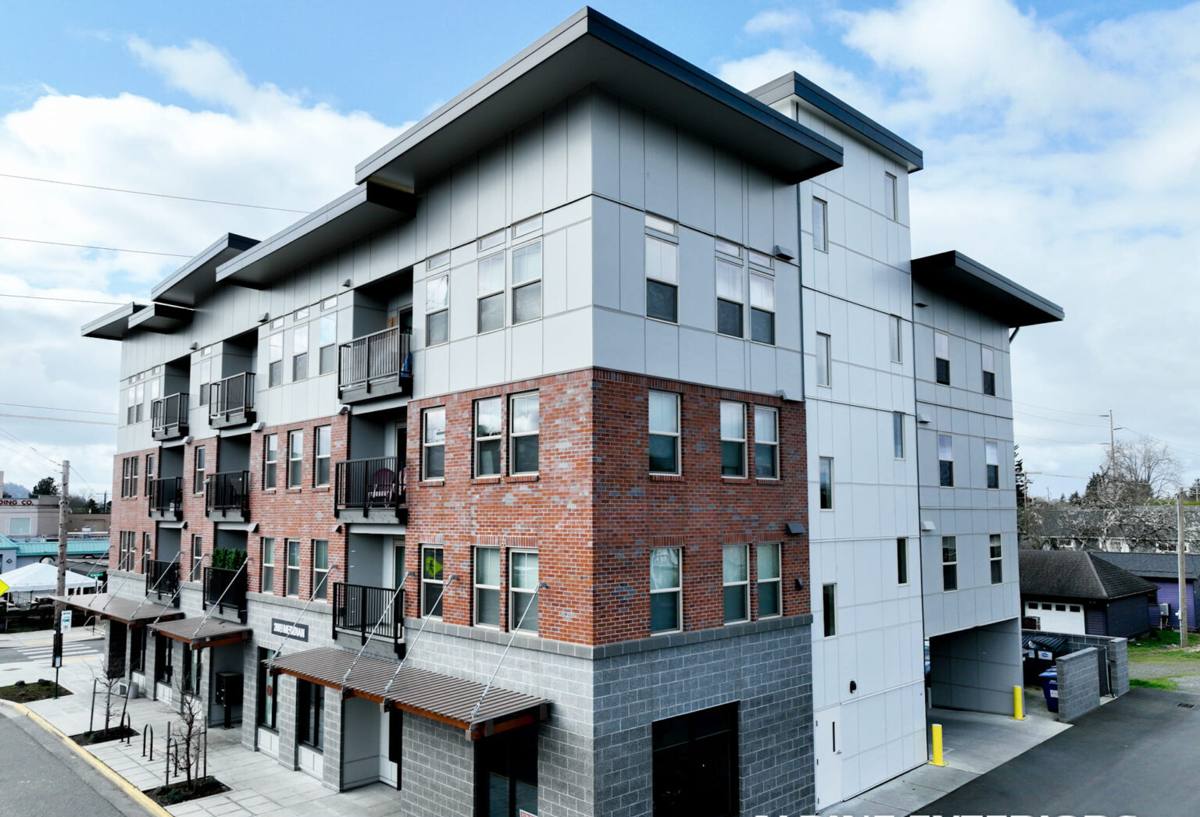
What Salt Air, Driving Rain, and Moss Actually Do to a Window
Salt Air and Hardware
Proximity to Bellingham Bay means airborne salt finds its way onto exterior surfaces even a few miles inland, especially on windier days. Over years, that salt accelerates corrosion on window hardware — hinges, locks, balance mechanisms, and screen frames — well before the glass or frame itself fails. Once hardware seizes or corrodes, a window that still looks fine from the curb becomes difficult to open, close, or lock properly.
Wind-Driven Rain
Rain that falls straight down is relatively easy to shed. Rain that's pushed sideways by wind — which happens often in this part of Whatcom County — tests every seam, seal, and flashing detail around a window opening. Older installations, or ones that were never properly flashed to begin with, tend to show it as staining below the sill, soft trim, or slow water intrusion into the wall cavity that isn't obvious until it's already caused damage.
Moss and Prolonged Moisture
Bellingham's moss season isn't just a roof problem. Moss and algae hold moisture against wood sills, trim, and cladding around windows for extended periods, which keeps those surfaces wet far longer than a quick rain shower would. On wood-trimmed openings especially, that sustained dampness is what leads to rot at the sill and lower corners — usually the first place a window installation actually fails.
Signs a Happy Valley Home Is Ready for Window Replacement
- Visible fogging or a cloudy haze between panes of double-pane glass — the seal has failed and the insulating gas is gone
- Windows that are difficult to open, close, or lock, especially if they used to operate smoothly
- Soft, discolored, or crumbling wood trim or sill material around the window opening
- Noticeable drafts near the window frame even when it's fully closed and latched
- Condensation forming on the inside of the glass regularly, which can point to poor insulating performance or ventilation issues
- Visible daylight or gaps around the frame from outside
- Paint or finish that's failing specifically around the window opening faster than the rest of the wall
Any one of these on its own might just mean a repair. Several at once, especially combined with an older window's age, usually means replacement is the more honest recommendation.
What a Correct Window Replacement Job Actually Involves
The window unit itself gets most of the attention, but in this climate the installation details matter just as much as the product. A window that's a good fit for coastal Whatcom County weather but installed poorly will still leak, and a mediocre window installed correctly will usually outperform it. Here's what we treat as non-negotiable on every job:
Proper Flashing and Water Management
Every opening gets flashed so that any water that does reach the window assembly is directed back out and away from the wall structure, not trapped behind it. This is the single most important factor in whether a window stays leak-free through years of wind-driven rain.
Full Removal of the Old Frame When Warranted
Insert replacements (installing a new sash into an existing frame) can be appropriate when the existing frame is sound. But if there's any sign of rot, moisture damage, or a frame that was never properly flashed to begin with, a full-frame replacement is the only way to actually fix the underlying problem instead of covering it up.
Sealing and Insulation Around the Rough Opening
Gaps around the new frame get properly insulated and sealed — not just caulked on the visible exterior trim, but addressed at the rough opening itself, where most real air and water infiltration actually happens.
Hardware and Trim Suited to Coastal Exposure
Given the salt air factor, we pay attention to hardware finishes and materials that hold up better against corrosion, and to trim materials and detailing that shed water rather than trap it against wood.
Choosing the Right Window Material for This Area
There's no single "best" window material — the right choice depends on the home, its exposure, and the owner's priorities around maintenance and budget. Here's how the common options generally compare for a home in a marine climate like this one:
| Frame Material | Moisture & Salt Air Resistance | Maintenance | Typical Trade-offs |
|---|---|---|---|
| Vinyl | Good — won't rot or corrode | Low — no painting needed | Frame can expand/contract with temperature swings; color options are more limited |
| Fiberglass | Very good — stable in wet, salty conditions | Low | Higher upfront cost than vinyl |
| Wood-clad (exterior clad, wood interior) | Depends heavily on cladding quality and installation | Moderate to high if any wood is exposed | Best appearance for some homes, but more installation-sensitive in this climate |
| Aluminum | Prone to corrosion near salt air unless well-finished | Low | Generally not our first recommendation for water-facing exposures here |
For homes with direct wind and salt exposure, we lean toward vinyl or fiberglass for the frame material itself, simply because they hold up with the least ongoing maintenance. Wood-clad windows can still be a good choice for homes where appearance is the priority, but they need cladding and flashing details done correctly, since any gap in the cladding is an entry point for the kind of prolonged moisture this area sees during moss season.
Glass and Performance Considerations Worth Knowing
Beyond the frame, the glass package affects comfort and condensation resistance more than most homeowners expect.
- Double-pane vs. triple-pane: Double-pane with a good low-E coating is sufficient for most homes here; triple-pane adds cost and weight but can help on north-facing or particularly exposed walls
- Low-E coatings: Help manage heat loss in winter and heat gain in summer, and generally reduce interior condensation on cold, damp days
- Argon or krypton gas fill: Improves insulating performance between panes, though the seal quality matters more long-term than the gas choice itself
- Condensation resistance rating: Worth asking about directly if interior condensation on cold mornings has been a problem with your current windows
U-Factor and Why It Matters Here
U-factor measures how well a window resists heat loss — lower is better. In a climate with as many overcast, damp, cool days as Whatcom County gets, a lower U-factor window keeps interior surfaces warmer, which directly reduces the condensation that leads to mold and trim damage around the frame. It's one of the more useful numbers to compare between quotes, alongside price.
Our Process for Happy Valley Projects
- On-site assessment: We look at each window individually — frame condition, signs of moisture or rot, current hardware condition, and how exposed each opening is to wind and rain
- Honest scope recommendation: We'll tell you plainly which windows need full-frame replacement, which can be handled as inserts, and which don't need touching yet
- Material and glass selection: Walking through frame material and glass package options based on your home's exposure and your budget, not a one-size-fits-all package
- Careful removal and flashing: Old units come out cleanly, any hidden moisture damage gets addressed before the new unit goes in, and flashing is done to shed water properly
- Installation and sealing: New windows are set, shimmed, insulated, and sealed at both the rough opening and the exterior trim
- Final check: Every window is tested for smooth operation and proper seal before we consider the job finished
Because we're regularly working in this neighborhood and the surrounding areas of Bellingham, we already know what this exposure does to different products and installation approaches over time. That local track record shapes what we recommend — it's not guesswork based on a manufacturer's brochure written for a different climate.
Why Local Experience Matters More Than It Sounds Like It Should
A window that performs well in a dry inland climate can underperform here, and an installation approach that's fine in a low-wind area can fail against Bellingham's wind-driven rain. A crew that's worked other homes in Happy Valley and nearby parts of Whatcom County has already seen which flashing details hold up, which hardware finishes actually resist salt air corrosion over years rather than months, and which materials need extra attention during moss season. That's the kind of judgment that doesn't show up on a spec sheet — it comes from doing the work in this specific environment repeatedly.
We're also candid about trade-offs rather than steering every job toward the same product. If a wood-clad window is genuinely the right call for a particular home despite the extra maintenance it requires here, we'll say so — along with what that maintenance actually looks like, so there are no surprises a few years in.
Get a Straightforward Estimate
If your windows in Happy Valley are fogging, sticking, drafting, or just old enough that you're wondering whether repair still makes sense, we're glad to take a look and give you a straight answer — no pressure, no upsell script. Use the form below to request a free estimate, and we'll walk the property with you and talk through what your home actually needs.