 Bellingham
 Window Installation in York Has Its Own Set of Problems
York is one of Bellingham's older residential pockets, and that means a lot of the housing stock predates modern window standards by decades. Original wood-sash windows, later single-pane aluminum replacements from the 70s and 80s, and the occasional mismatched retrofit from a past owner — we see all of it. Add in what Whatcom County weather does to a window over 30, 40, or 60 years — driving rain off Bellingham Bay, salt-laden air, and a moss and mildew season that can run eight months out of the year — and you end up with openings that look fine from the curb but are quietly rotting, drafting, or fogging between the panes.
Window installation here isn't just "pull the old one out, drop a new one in." It's diagnosing what the wall assembly behind that window has been dealing with for decades and building an installation that will actually hold up to the next few decades of the same conditions.
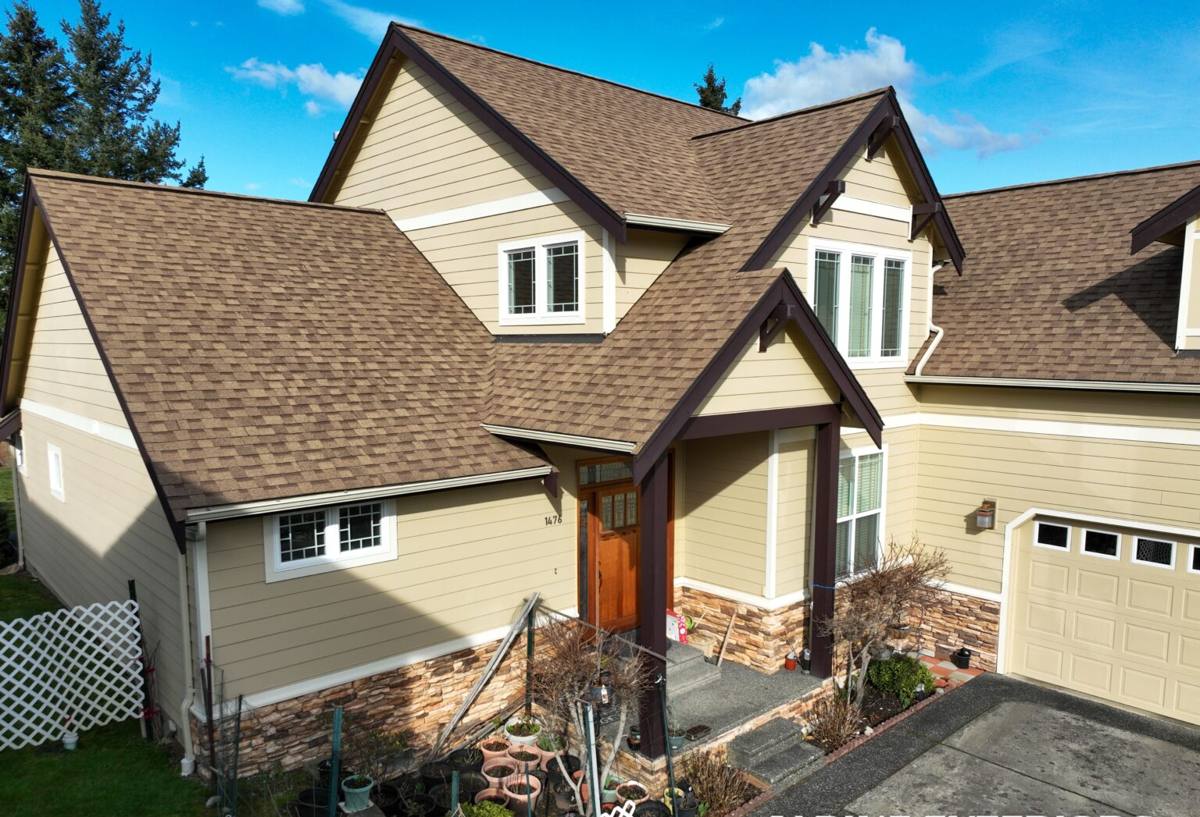
What York's Housing Stock Means for the Job
Most of the work we do in York falls into one of two categories, and they're not the same job.
Full-Frame Replacement
If the original wood frame has soft spots, water staining, or visible rot — common on older homes where the original flashing detail was minimal or has failed over time — we pull the window down to the rough opening. This lets us inspect and repair the sheathing, install proper flashing and a sill pan, and start clean. It costs more in labor, but it's the only honest option when the frame itself is compromised. Papering over a rotten frame with a new window on top just hides the problem for a few more years.
Insert (Pocket) Replacement
If the existing frame is still structurally sound and square, an insert window that fits inside the old frame is faster, less invasive to interior and exterior trim, and usually less expensive. The tradeoff is a slightly smaller glass area, since the new frame sits inside the old one. For homes where the wood trim and casings are part of the character of the house — which describes a lot of York — insert replacement also preserves that original trim work instead of disturbing it.
We tell homeowners which option their house actually needs after a real inspection, not before. A house with visible interior sill staining or a musty smell near the window almost always needs the full-frame approach, whatever the price difference.
What a Correct Installation Actually Involves
The window itself — vinyl, fiberglass, wood-clad — is maybe a third of what determines whether the installation lasts. The other two-thirds is how it's flashed, sealed, and insulated into the wall. This is where a lot of shortcuts get taken, and it's exactly where Bellingham's rain load punishes those shortcuts fastest.
- Old sealant, flashing, and any water-damaged sheathing or framing removed and inspected before anything new goes in
- A sloped sill pan installed so any water that gets past the window sheds outward, not into the wall cavity
- Self-adhered flashing membrane integrated with the house's existing weather-resistive barrier — lapped correctly so water always drains down and out, never into a seam
- Window shimmed square and plumb before fastening, so the sash operates correctly and the seal isn't stressed
- Low-expansion foam or mineral wool insulation in the gap between frame and rough opening — never packed too tight, which can bow the frame
- Exterior sealant rated for sustained wet exposure, applied at the correct joints (not every seam — some need to stay open to drain)
- Interior air sealing completed separately from exterior weatherproofing, since the two layers do different jobs
Skip the sill pan or get the flashing lap order wrong, and it usually won't show up as a leak in month one. It shows up two or three winters later as soft trim, a musty smell, or paint bubbling on an interior sill — by which point the damage is inside the wall, not just at the window.
Choosing Materials for This Climate
There's no single "best" window material — it depends on budget, how much upkeep you want to do, and how exposed the wall is to weather. Here's how the common options actually compare for a coastal Whatcom County home:
| Material | Moisture Behavior | Upkeep | Typical Fit for York Homes |
|---|---|---|---|
| Vinyl | Won't rot; performs well in wet climates | Low — occasional cleaning | Good value option, especially for insert replacements |
| Fiberglass | Very stable, minimal expansion/contraction | Low | Strong long-term choice for full-frame jobs on older homes |
| Wood-clad (exterior clad, wood interior) | Good if cladding and seals are intact; vulnerable if not | Higher — clad seams need periodic inspection | Fits homes where matching original wood interior trim matters |
| Aluminum (uninsulated, older style) | Poor — conducts cold, prone to interior condensation | Moderate | What we're usually replacing, not installing |
We generally steer people away from bare aluminum frames for this climate — not because the material is bad in general, but because an uninsulated aluminum frame conducts cold straight through, which means condensation on the interior glass and frame all winter. That moisture, sitting on a windowsill for months at a time, is exactly what accelerates rot in the trim around it. If a client wants the aluminum look, thermally-broken aluminum framing exists and behaves very differently — that's a different conversation with different tradeoffs.
Our Process for a York Window Job
- On-site inspection. We look at the window from both sides, check the sill and surrounding trim for soft spots, and ask about any drafts, fogging, or condensation issues the homeowner has noticed.
- Honest recommendation. Full-frame or insert, and why — with the cost difference explained up front, not discovered mid-job.
- Written estimate. Scope, materials, and timeline in writing before any work starts.
- Removal and inspection. Old window and any compromised material removed; we show the homeowner what we find if there's hidden damage, before closing anything back up.
- Install to the standard above. Flashing, sill pan, insulation, and sealant — not just the window itself.
- Final walkthrough. Operation checked, interior finish work reviewed, site cleaned up.
Cost Factors Worth Knowing Before You Ask for a Number
Every window quote depends on a handful of variables, and knowing them ahead of time makes the number you get make sense instead of feeling arbitrary.
| Factor | Why It Moves the Price |
|---|---|
| Full-frame vs. insert | Full-frame involves more labor, trim work, and often hidden repair once the wall is opened up |
| Hidden rot or water damage | Sheathing or framing repair adds labor and material beyond the window itself |
| Window size and type | Standard sizes and simple operable styles cost less than custom shapes, large picture windows, or specialty hardware |
| Number of stories | Second-story and upper-level windows need staging or lift access, which adds labor time |
| Trim and interior finish work | Matching existing wood trim on an older home takes more time than standard drywall-return trim |
We give real, written estimates — not a number pulled out of the air over the phone — because on older York homes, the honest answer to "what will it cost" almost always depends on what we find once a window comes out.
Problems We Commonly Find on Past Installations
A fair amount of our window work in this neighborhood is fixing a previous installation rather than replacing an original window. The recurring issues:
- Missing or backwards-lapped flashing — water gets behind the siding and tracks down into the wall instead of shedding away from it
- Sealant used as the only water barrier — caulk fails and shrinks over time; it should be a backup, not the primary defense
- Gaps packed too tight with foam — bows the frame slightly, which strains the seal and can keep the sash from closing fully
- No sill pan — any water that gets past the window sits directly on bare wood instead of draining out
- Moss and organic buildup on sills and lower trim — a near-constant maintenance item in this climate that accelerates rot once it's established
None of these show up on install day. They show up two, five, or ten years later, which is exactly why the flashing and sealing details matter more than the brand of window going in.
Why It Matters That We Already Work in York
A window crew that mostly works new construction in drier inland areas isn't automatically prepared for what a wall in York has been through — decades of driving rain off the bay, salt air working on hardware and fasteners, and moss holding moisture against wood trim for months at a time. Knowing the difference between a house that needs a straightforward insert replacement and one that needs a full-frame rebuild, before the first window comes out, comes from having done that inspection on enough similar homes in this exact area. It's the difference between a quote that holds and a job that turns into a change order once the wall opens up.
If you're dealing with drafty windows, fogged glass, soft trim, or you just want an honest read on what your current windows actually need, we're happy to take a look. Fill out the form below for a free, no-pressure estimate — we'll tell you what we find and what your real options are.