 Bellingham
 Window Replacement Built for Sunnyland's Climate
Sunnyland sits close enough to Bellingham Bay that salt-laden air is a daily fact of life, and far enough into the Whatcom County rain belt that "driving rain" isn't a figure of speech — it's what hits west-facing glass every fall and winter. Add a moss season that can stretch from October into May, and you've got a neighborhood where windows work harder than they do almost anywhere else in the state. A window that's fine in a drier inland climate can fail early here if it wasn't built, or installed, with this environment in mind.
This page is about one job, done right, in one place: replacing windows on Sunnyland homes. Not a general overview of window brands or a generic "why replace your windows" pitch — the specific realities of doing this work correctly in this neighborhood.
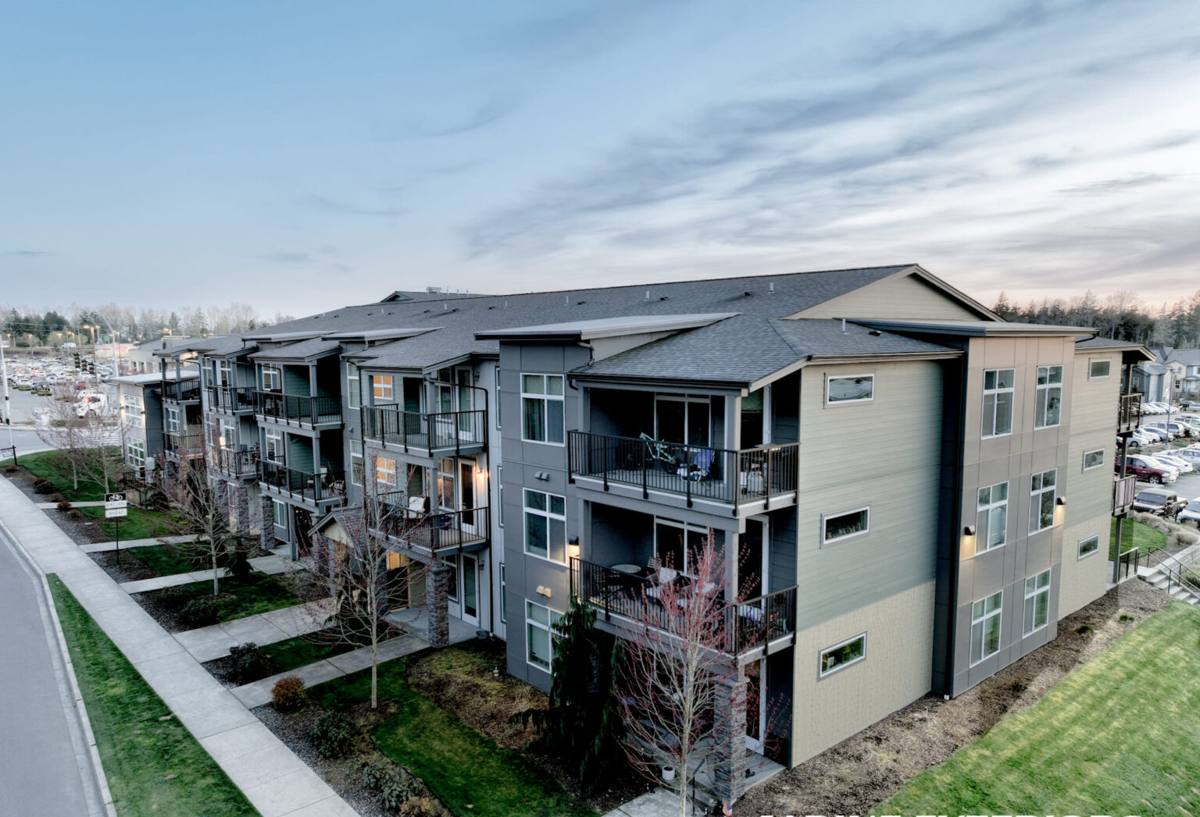
What Salt Air, Driving Rain, and Moss Season Actually Do to Windows
Salt Air
Airborne salt from the bay accelerates corrosion on exposed hardware — hinges, cranks, locks, and especially aluminum components that aren't properly finished. Over years, that corrosion is what turns a smooth-operating window into one that sticks, binds, or won't latch tight anymore. It's a slow process, which is exactly why it gets ignored until the hardware is seized.
Driving Rain
Bellingham's weather doesn't just rain straight down — wind-driven rain hits windows at an angle, which puts real pressure on flashing details and seals that a calm-weather climate never tests. A window installed with a shortcut on flashing might pass a dry-day inspection and still leak the first time a real Whatcom County storm rolls through sideways.
Moss Season
Extended damp, shaded conditions are what moss and algae need to establish, and they don't stop at your roofline. Wood sills, trim, and any organic-based caulking are all vulnerable to sustained moisture exposure over a season that runs much longer here than in most of the country. Where moisture sits — because of poor drainage, poor slope, or trapped condensation — is where rot starts.
Signs a Sunnyland Home Needs New Windows
Older homes in this neighborhood — a mix of early-to-mid-century bungalows and later infill — often have original or early-replacement windows that are past the point where repair makes sense. Here's what we look for:
- Visible fogging or moisture between panes on double-glazed units (a failed seal, not fixable)
- Soft or discolored wood at the sill or lower corners of the frame
- Windows that won't stay open, won't latch, or need force to operate
- Noticeable drafts or cold spots near the frame in winter
- Paint that keeps failing on the sill no matter how often it's redone
- Visible daylight or gaps around the frame from outside
- Condensation forming on the inside glass regularly, even with normal ventilation
- Rising energy bills with no other obvious cause
Any one of these on its own isn't necessarily urgent. Several together, especially on the weather-exposed side of the house, usually means it's time to plan a replacement rather than another round of caulk and paint.
Choosing the Right Window Material for This Climate
Frame material matters more here than in a milder, drier region. Some materials tolerate constant damp and salt exposure better than others, and that difference shows up in maintenance burden over the life of the window, not just on install day.
| Material | How It Handles This Climate | Maintenance |
|---|---|---|
| Vinyl | Doesn't corrode or rot; handles moisture well; performance varies a lot by manufacturer quality | Low — occasional cleaning |
| Fiberglass | Very stable in temperature and moisture swings; strong resistance to the freeze-thaw and damp cycling common here | Low |
| Wood (clad or unclad) | Classic look, often the right fit for older Sunnyland homes, but bare wood needs real upkeep in a moss-prone climate | Moderate to high unless clad |
| Aluminum | Prone to corrosion near the bay unless properly finished; also conducts cold, which shows up as condensation in our winters | Moderate — hardware needs monitoring |
We don't push one material on every job. A wood-clad window can be the right call for a character home where appearance matters most, as long as the homeowner understands the maintenance trade-off. Vinyl or fiberglass is usually the lower-maintenance, better-value choice for most Sunnyland houses. What we won't do is install bare aluminum frames on a home this close to the water and call it a long-term solution — the corrosion risk isn't worth it, and we'll tell you that up front rather than sell you something we don't think will hold up.
What a Correct Installation Actually Involves
The window unit itself is maybe half the job. The other half — the part that determines whether it leaks in year three — is the installation detail work that doesn't show once trim is back on.
Removal and Inspection
Old windows come out carefully so we can actually see the condition of the framing underneath. This is where hidden rot or past water damage gets found — and it needs to be dealt with before a new window goes in, not covered over.
Flashing and Weather Barrier
Given how much wind-driven rain this area gets, proper flashing at the head, jambs, and sill is non-negotiable. This is the detail that stops water from getting behind the window and into the wall cavity, and it's also the detail that's easiest to rush. We don't rush it.
Air Sealing and Insulation
The gap between the new window frame and the rough opening gets properly insulated and air-sealed — not just stuffed with whatever's on hand. This is what actually stops drafts and controls condensation, more than the glass itself does.
Level, Plumb, and Square
A window that's out of square will bind, won't seal evenly, and will wear unevenly at the hardware. This gets checked and adjusted before final fastening, not eyeballed.
Interior and Exterior Finish
Trim, caulking, and paint or sealant get finished to shed water, matching the existing exterior where possible so the replacement doesn't stand out on the house.
Matching Windows to Sunnyland's Housing Stock
A lot of Sunnyland homes carry real character — older bungalow and craftsman-influenced styles with divided-light or multi-pane window profiles that are part of what gives the street its look. When we replace windows on a home like this, we pay attention to matching the sightlines, grille pattern, and proportions of the original, not just dropping in whatever's easiest to order. On newer or more mid-century homes in the area, the priority is usually more straightforward — performance and value over matching a historic profile. Either way, the goal is a window that fits the house it's going into, not a one-size-fits-all replacement.
What Affects the Cost
Every home is different, so we won't quote a number here that doesn't apply to your project — but these are the factors that actually move the price up or down:
| Factor | Why It Matters |
|---|---|
| Number of windows and sizes | Larger or non-standard sizes cost more per unit |
| Frame material | Vinyl is typically the most budget-friendly; wood-clad and fiberglass cost more upfront |
| Condition of existing framing | Hidden rot or water damage found during removal adds repair work before the new window goes in |
| Full-frame vs. insert replacement | Full-frame replacement (down to the studs) costs more but is often needed when the old frame is compromised |
| Access and height | Second-story or hard-to-access windows take more time and equipment |
| Trim and finish matching | Matching historic profiles or existing exterior trim adds labor |
The only way to get an accurate number is a real look at your specific windows and framing — which is what the estimate is for.
Why It Matters to Hire a Crew That Already Works in Sunnyland
Window replacement isn't a one-size-fits-all trade. A crew that's worked on homes in this specific neighborhood already knows what tends to be hiding behind Sunnyland's older siding, what the wind-driven rain does to a west or south exposure near the bay, and how long moss season really runs here versus what a general contractor from outside the area might assume. That local pattern recognition is what catches a problem before it becomes an expensive one, and it's what tells us when a shortcut simply won't hold up through a Whatcom County winter.
If your windows are showing any of the signs above, or you're just planning ahead for a home in Sunnyland, we're glad to come take a look. The estimate is free, there's no pressure to move forward, and you'll get a straight answer about what your windows actually need — not a sales pitch. Use the form below to get started.