 Bellingham
 Why Sudden Valley Roofs Take a Different Kind of Beating
Sudden Valley sits close enough to Lake Whatcom and open exposure that homes here deal with a mix of conditions you don't get everywhere in Whatcom County. Wind-driven rain off the water, heavy tree cover that keeps roofs shaded and damp, and a moss season that can run most of the year all add up. A roof that would hold up fine in a drier, more open part of the county can start showing problems in Sudden Valley years sooner if it wasn't built for this specific mix of moisture and shade.
Metal roofing has become a popular answer for homeowners here, and for good reason. It sheds water fast, resists moss better than most surfaces, and doesn't absorb moisture the way organic roofing materials can. But "metal roofing" covers a wide range of products and installation quality, and not every system or crew is set up to handle the conditions specific to this neighborhood.
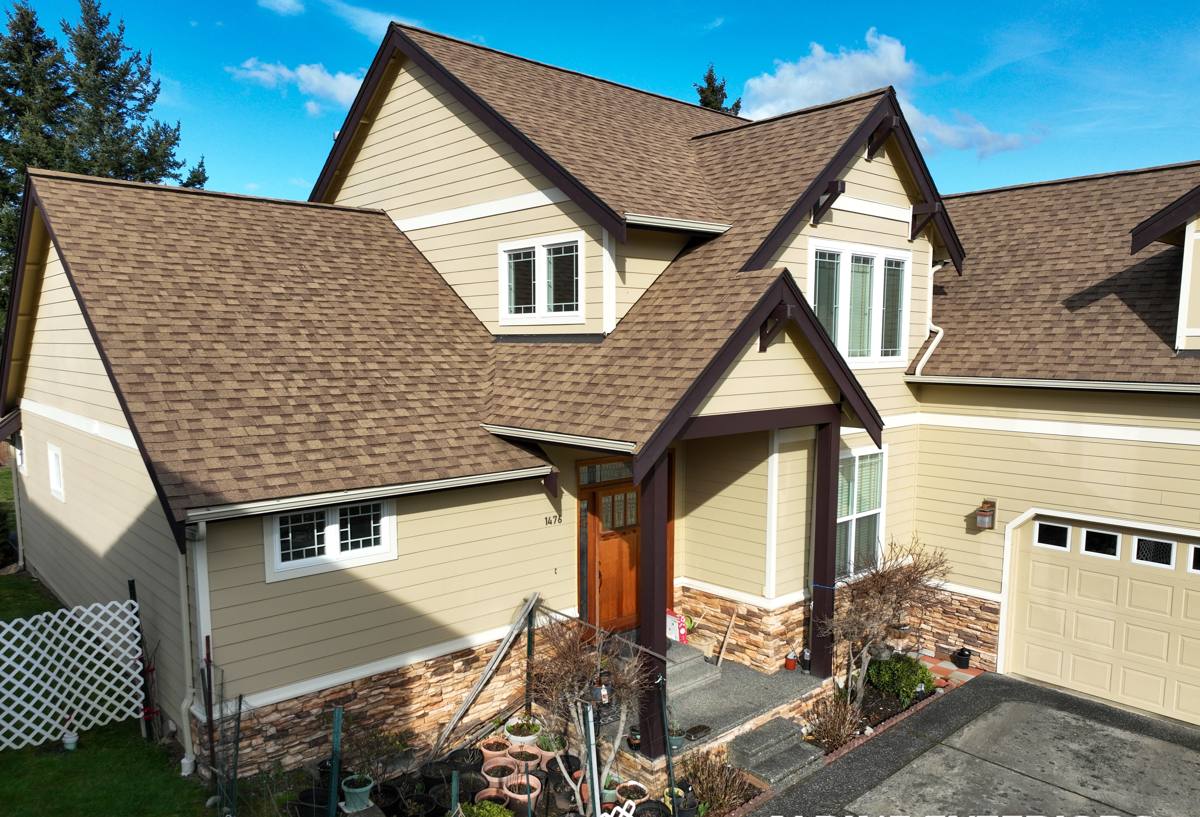
What Sudden Valley's Climate Actually Demands From a Roof
Moisture That Doesn't Let Up
Bellingham gets a lot of rain overall, but Sudden Valley's tree canopy and proximity to the lake mean roofs here often stay damp longer after a storm than roofs in more open, sun-exposed parts of town. That extended damp period is exactly what moss, algae, and lichen need to take hold. A roofing system that traps moisture at seams or lacks proper ventilation will show algae streaking and moss growth faster in this kind of environment.
Wind and Driving Rain
Storms coming off Lake Whatcom and the broader Puget Sound weather pattern can drive rain sideways into roof edges, valleys, and any place where flashing isn't done right. On a standing seam or panel roof, this means every seam, valley, and penetration has to be detailed correctly the first time. Sloppy flashing work is the single most common reason a metal roof leaks, and it's rarely obvious until the next hard rain finds it.
Moss and Organic Buildup
Whatcom County's long wet season means moss isn't a once-a-year nuisance here — it's a near-constant pressure, especially on shaded slopes. Metal roofing gives moss a much harder surface to grip than composition shingles, but it isn't immune. Panel profile, finish, and how the roof is maintained all affect how much moss buildup you'll actually see over time.
What a Correctly Installed Metal Roof Includes
A metal roof is only as good as the details underneath it. On Sudden Valley homes, we pay particular attention to a few things that matter more here than in drier climates:
- A proper underlayment system rated for high-moisture, long-exposure conditions — not just a minimum-code layer
- Ice-and-water-shield style membrane at eaves, valleys, and any low-slope transitions where water can back up
- Ventilation that lets the roof deck dry out between rain events instead of staying damp against the underside of the panels
- Flashing at every penetration — vents, skylights, chimneys — fabricated and sealed to shed wind-driven rain, not just vertical rain
- Fastener and clip systems matched to the panel profile and rated for the wind exposure this area sees
- Panel and trim metal with a finish that holds up to UV, salt-tinged coastal air, and repeated wet-dry cycling without chalking or fading prematurely
Skip any one of these and the roof may look fine for a season or two, but the problems that show up later — leaks at valleys, moss colonizing a poorly ventilated slope, fastener corrosion — are expensive and disruptive to fix after the fact compared to getting them right during installation.
Panel Types and What They Mean for a Sudden Valley Roof
| Panel Type | Typical Fit for Sudden Valley | Trade-Offs to Know |
|---|---|---|
| Standing seam (concealed fastener) | Strong choice for full roof replacements on homes with significant tree exposure or lake-facing slopes | Higher upfront cost; needs an experienced crew for clean seams and terminations |
| Exposed-fastener panel | Workable for outbuildings, additions, or budget-conscious full roofs | Fasteners can loosen or fail over decades of wet-dry cycling and need periodic checking |
| Stone-coated steel | Good if you want a shingle-like appearance with metal's durability | More seams and overlaps than standing seam, so flashing detail work matters even more |
| Corrugated/ribbed panel | Common on shops and accessory structures | Less common as a primary home roof; largely an aesthetic and cost choice |
We don't push one system on every home. The right choice depends on your roof's slope, how much shade and tree debris it deals with, and what you're trying to get out of the investment — longest possible service life, lowest maintenance, or matching a specific look.
Our Process for Sudden Valley Metal Roofing Projects
1. On-Site Assessment
We walk the roof and the property, not just look at photos. In a neighborhood like Sudden Valley, tree cover, slope orientation, and how close the roof sits to standing water or shaded ravines all factor into what we recommend. We also check the current roof deck condition, since a metal roof is only as good as what it's fastened to.
2. Straight Answers on Scope and Cost
You'll get a written estimate that spells out panel type, underlayment, flashing details, and ventilation work — not just a lump-sum number. If your existing deck has moisture damage from years of moss and trapped water, we'll flag it before work starts, not discover it mid-project and surprise you.
3. Installation With Attention to the Details That Matter Locally
Valleys, penetrations, and eave lines get the extra attention this climate demands. We don't shortcut flashing or ventilation to save an afternoon of labor, because those are exactly the spots that fail first under sustained Whatcom County rain.
4. Walkthrough and Maintenance Guidance
Before we leave, we walk the finished roof with you and explain what upkeep looks like — gutter and valley debris clearing, what moss growth (if any) to expect and how to handle it, and what warranty coverage applies to the panels, finish, and our workmanship.
Cost Factors for Sudden Valley Homeowners
Every roof is different, but the main variables that move the price on a metal roofing project here are fairly consistent:
| Factor | Why It Matters |
|---|---|
| Roof size and number of planes | More valleys and hips mean more flashing labor and material |
| Current roof condition | Deck repair or replacement adds cost but is essential if moisture damage is present |
| Panel type and finish | Standing seam runs higher than exposed-fastener systems; premium finishes cost more upfront but hold color and resist wear longer |
| Access and slope | Steep roofs or homes with limited equipment access take longer and cost more to work safely |
| Tear-off vs. overlay | Removing old roofing lets us inspect and fix the deck; it costs more than an overlay but is usually the right call given how much moisture this area sees |
We'll walk through these with you specifically for your home rather than quoting a generic per-square-foot number that doesn't reflect your roof's actual conditions.
Why Local Experience in Sudden Valley Matters
A crew that mostly works drier, more exposed parts of Bellingham or inland Whatcom County isn't automatically prepared for what a shaded, lake-adjacent roof in Sudden Valley throws at a roofing system. Knowing how fast moss can reestablish on a north-facing slope here, how much standing water valleys need to handle during a hard November storm, and which ventilation setups actually dry out under this level of persistent moisture comes from doing the work in this specific area, not from a general knowledge of metal roofing.
We've built our process around the conditions Whatcom County actually produces — not a one-size-fits-all install used everywhere from dry inland towns to coastal neighborhoods. That local calibration is what keeps a metal roof performing the way it's supposed to for decades, not just for the first few dry summers.
Questions to Ask Before You Hire
Whoever you choose for a metal roofing project in Sudden Valley, it's worth asking these before signing anything:
- Do they detail flashing and ventilation specifically for high-moisture, tree-covered lots, or use a standard approach everywhere?
- Will they inspect and address deck condition before installing, not just after a problem shows up?
- What warranty covers the panels and finish versus the labor and flashing work?
- Can they explain the trade-offs between panel types honestly, rather than pushing one product regardless of your roof?
- Do they have experience specifically in this part of Whatcom County, dealing with lake-adjacent moisture and moss pressure?
If you're weighing a metal roof for your Sudden Valley home, we're happy to take a look and give you an honest read on what your roof actually needs — no pressure, no upsell. Request a free estimate below and we'll schedule a time to walk the roof with you.