 Bellingham
 Why Sudden Valley Homes Take a Beating on the Exterior
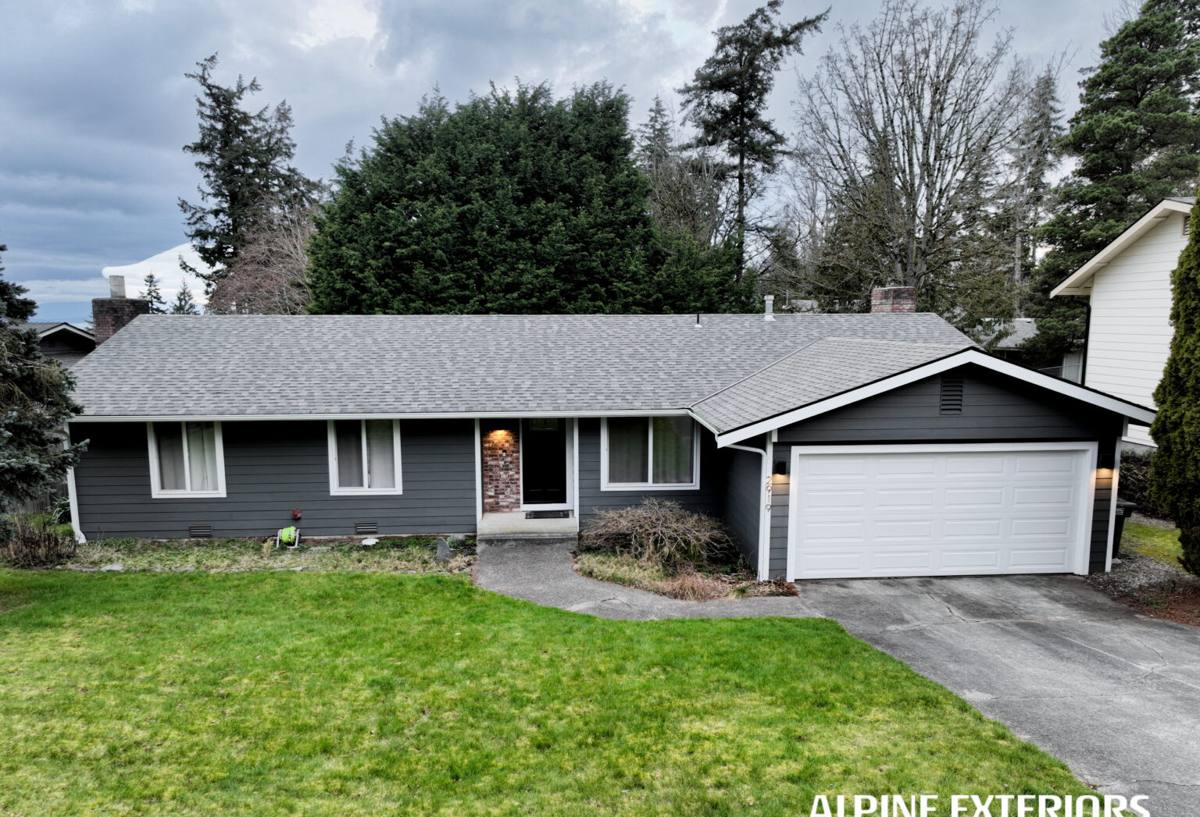
Sudden Valley sits in a pocket of Whatcom County where tree cover, lake-driven humidity, and the Pacific storm track all combine against exterior siding. Homes here spend a good chunk of the year under damp, shaded conditions — the kind that keep wood surfaces wet longer than they'd stay wet in an open, sunny lot. Add the driving rain that blows sideways off winter storm systems and the long moss season that Whatcom County is known for, and you get a climate that's genuinely hard on the wrong siding material.
This isn't a page about siding in general. It's about one product — James Hardie fiber cement — installed correctly on one type of property: homes in and around Sudden Valley that need siding built for tree-shaded moisture, not siding that just looks good in a showroom.
What This Climate Actually Does to Siding Over Time
Moisture that doesn't dry out fast
Tree canopy and lake-area humidity mean siding in Sudden Valley often stays damp longer after a rain than siding on an open, wind-exposed lot elsewhere in the county. Materials that swell, absorb water at cut edges, or trap moisture behind them are the ones that fail first — not from one bad storm, but from years of never fully drying between rains.
Moss and algae growth
Shaded, moisture-retentive surfaces are exactly where moss and algae take hold. On some siding materials that's a cosmetic problem you can pressure-wash away. On others, moss growth traps moisture against the surface and accelerates rot or delamination underneath. Which category a siding product falls into matters a lot more here than it does in a drier part of the state.
Driving rain and wind-driven wetting
Bellingham-area storms don't just fall straight down — wind pushes rain sideways into wall assemblies, especially on exposed elevations and around window and door openings. Flashing details and water-management behind the siding matter as much as the siding material itself.
Why We Standardized on James Hardie for Sites Like This
We install James Hardie fiber cement siding exclusively. We don't install vinyl, LP SmartSide, Cemplank, Allura, primed spruce, or cedar — not because those products have no merit, but because after years of working exteriors in this climate, Hardie is the one we're willing to stand behind on a house that has to survive decades of Whatcom County moisture.
- Fiber cement composition — Hardie board is cement, sand, and cellulose fiber. It doesn't absorb and swell the way wood-based products can, and it doesn't soften or warp from sustained dampness the way some engineered wood siding can.
- Non-combustible — a real advantage in a state where wildfire smoke seasons have become part of the summer, even if the immediate wildfire risk in a shaded, lake-adjacent neighborhood like Sudden Valley is lower than in drier parts of Washington.
- ColorPlus factory finish — a baked-on finish applied under controlled conditions, which holds up better against the freeze-thaw and constant damp-dry cycling of this climate than field-applied paint typically does.
- HZ5 product engineering — Hardie's HZ product lines are engineered by climate zone, and the versions specified for the Pacific Northwest are built with our rain and humidity levels in mind, not a generic national spec.
None of that means Hardie is maintenance-free or that a bad install can't fail. It means the material itself gives a correctly installed job the best odds in this specific climate.
How Siding Materials Actually Compare in This Climate
| Material | Moisture behavior | Moss/algae resistance | Typical lifespan here |
|---|---|---|---|
| James Hardie fiber cement | Doesn't swell or rot from sustained dampness | Cleans off surface; doesn't feed moisture into the board | 30+ years with proper install and upkeep |
| Vinyl | Doesn't absorb water, but seams and panels can trap moisture behind them | Surface growth cleans off, but panels can warp or fade over time | 15-25 years, shorter with UV/temperature cycling |
| LP SmartSide (engineered wood) | Wood-based core is more vulnerable to sustained moisture exposure at cut edges and seams | Moss retention on wood-based surface is a real long-term concern | Highly dependent on maintenance and caulking upkeep |
| Cedar / primed spruce | Natural wood absorbs and releases moisture constantly; needs regular refinishing | High — wood surfaces are a preferred moss substrate | Shorter without consistent, disciplined maintenance |
This table isn't meant to trash any one product — every material on it has a place. It's meant to explain, honestly, why fiber cement is the one we're willing to put our name on for houses that sit under tree cover and take on this much sustained moisture.
What a Correct James Hardie Installation Involves
The material only performs as well as the install. In a climate like this, the details around water management matter more than they would in a dry region, because there's simply more water trying to get behind the siding.
Water management basics we don't skip
- Proper weather-resistant barrier behind the siding, lapped correctly so water sheds outward and down, not inward
- Flashing at every window, door, and roofline transition — this is where wind-driven rain finds its way in if it's rushed
- Kickout flashing at roof-to-wall intersections, so runoff is directed into the gutter instead of down behind the siding
- Manufacturer-specified gaps and clearances (typically a minimum clearance from grade, decks, and roof lines) so the board isn't sitting in standing moisture
- Correct fastener type, spacing, and depth — this affects both structural performance and how the board handles expansion and contraction
- Factory-cut edges sealed per Hardie's specifications, since field cuts are one of the more common places moisture problems start if skipped
Why installation sensitivity matters
Fiber cement is unforgiving of shortcuts in a way some other materials aren't. Skip the flashing detail or the correct gap, and you can end up with moisture problems behind a material that's otherwise excellent at resisting them. This is part of why we only install the one product — we know its installation requirements cold, in this specific climate, instead of splitting attention across several product systems with different rules.
Our Process for a Sudden Valley Project
- Walkthrough and assessment — we look at existing siding condition, trim, flashing, and any signs of past moisture intrusion before quoting anything
- Written scope and product selection — which Hardie line, profile, and ColorPlus finish fits the home, with a clear, itemized estimate
- Site preparation — protecting landscaping, trim work, and existing openings before removal begins
- Removal and inspection of sheathing — this is often where hidden moisture damage from prior siding gets found and addressed before new siding goes up
- Weather barrier and flashing installation — the step that determines how the house performs in a heavy-rain year, done to manufacturer spec
- Hardie installation — correct fastening, gaps, and joint treatment throughout
- Final walkthrough — trim, caulking, and touch-up review with the homeowner before we consider the job done
Why a Crew That Already Works Sudden Valley Matters
Neighborhoods like Sudden Valley have their own access considerations — tree-lined lots, driveways and setbacks that aren't always straightforward, and in some cases community guidelines around exterior changes. A crew that has already worked jobs in the area isn't guessing at how to stage material, schedule around limited access, or handle the sloped and shaded lots common here. That familiarity translates into fewer surprises and a cleaner jobsite for the homeowner.
It also means we've seen how James Hardie siding actually performs on homes in this specific microclimate a few years after installation — not just on a spec sheet, but on real houses under real tree cover through real Whatcom County winters.
Cost factors that affect a Sudden Valley Hardie project
| Factor | Why it matters here |
|---|---|
| Existing sheathing condition | Moisture-damaged sheathing found during tear-off adds repair scope before new siding goes on |
| Access and lot layout | Tree cover, slope, and driveway access affect staging and labor time |
| Trim and flashing detail work | Homes with more window/door openings and rooflines need more flashing work, which takes time to do right |
| Siding profile and finish selection | Lap width, texture, and ColorPlus color all affect material cost |
| Story height | Two-story and vaulted sections require more scaffolding/staging time |
What to Do Before You Get an Estimate
- Walk your home's exterior and note any soft spots, staining, or areas where moss or algae keep coming back
- Check for gaps, cracked caulking, or peeling paint around windows and doors — common early signs of water intrusion
- Note any areas where gutters overflow or downspouts discharge close to the siding
- Think about whether you want to match your current color palette or take the opportunity to change it with ColorPlus finish options
- If you're part of a community with design guidelines, have those on hand so color and material choices can be checked early
Maintenance After Installation
Correctly installed James Hardie siding is low-maintenance, not no-maintenance. In a moss-prone climate like this, an annual rinse-down (garden hose pressure, not a high-pressure washer aimed directly at seams) keeps growth from building up. Keep an eye on caulking at trim joints over the years, and address any gutter or downspout issues quickly — most siding problems in this climate start with water that had somewhere to sit that it shouldn't have.
If you're ready to talk specifics about your home, we're happy to walk the property, look at what your siding is actually dealing with, and put together a straightforward, no-pressure estimate using the form below.