 Bellingham
 Siding Replacement in Silver Beach: What Bellingham's Climate Demands
Silver Beach is one of the more established residential pockets in Bellingham, and like the rest of Whatcom County, it sits inside a marine climate that is genuinely hard on exterior siding. Homes here deal with salt-tinged air moving in off Puget Sound, long stretches of driving rain, and a moss and algae season that can run most of the year in shaded, north-facing spots. None of that is unique to any one street or block in the neighborhood — it's the baseline every home in this part of Bellingham has to stand up to, year after year.
That's the lens we use when we talk about siding replacement in Silver Beach. This isn't a page about siding in general — it's about what actually holds up on homes in this specific climate, what a correct replacement job looks like, and why we've built our process around a crew that already knows this neighborhood rather than treating every job as a first-time visit.
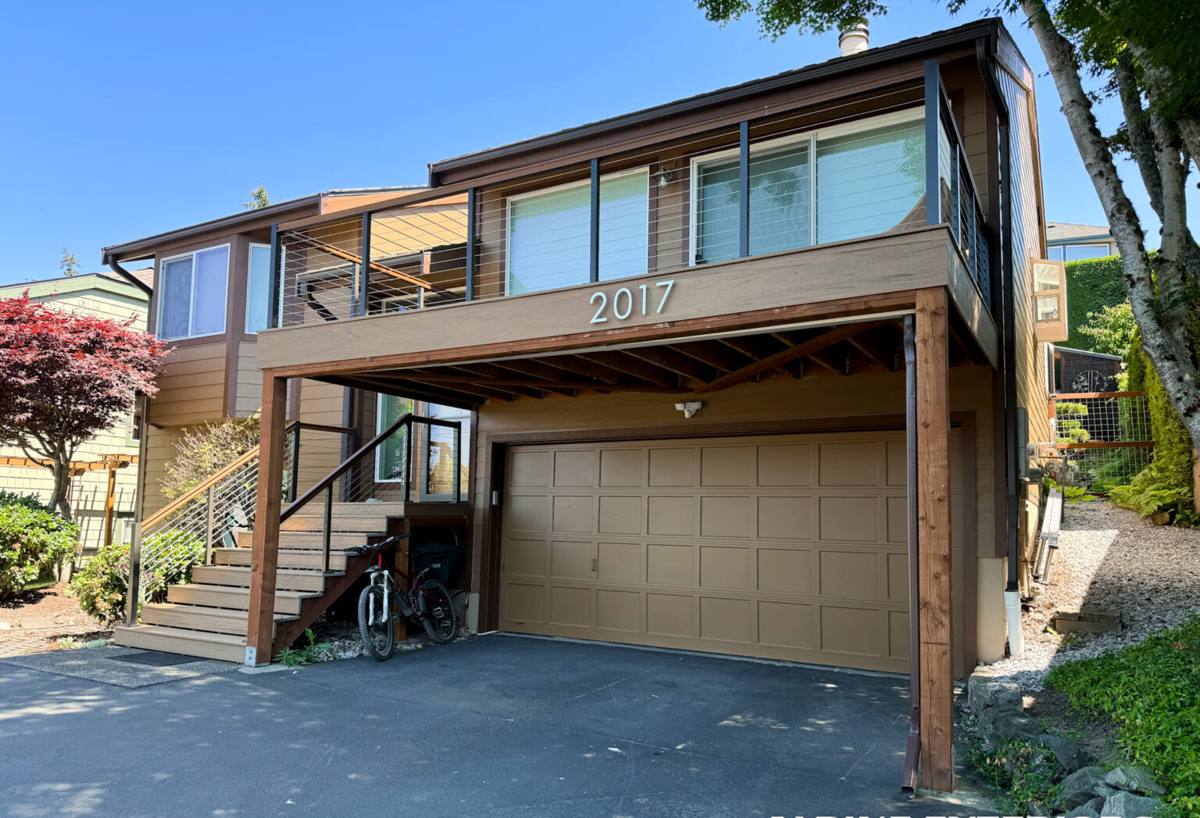
What Years of Salt Air, Rain, and Moss Do to Siding
Salt-Laden Air
Coastal and near-coastal air carries fine salt particulate that settles on exterior surfaces and accelerates corrosion of fasteners, trim caps, and any metal flashing components. Over years, that corrosion can loosen fastening points and create small gaps where water gets a foothold. It also breaks down lower-grade paint finishes faster than inland areas ever see, which is one reason factory-applied finishes matter more here than in drier climates.
Driving Rain and Wind-Driven Water
Bellingham doesn't just get rain — it gets wind-driven rain that hits siding at an angle instead of falling straight down. That matters because it pushes water sideways into laps, seams, and butt joints that are designed to shed water falling vertically, not water being forced sideways under wind pressure. Siding and flashing details that would be adequate in a calmer climate can fail here simply because the water is arriving from a different direction.
Moss, Algae, and Persistent Shade
Mature tree cover and the region's cloud cover mean many exterior walls stay damp and shaded for extended stretches. That's exactly the environment moss and algae need to establish. Beyond the cosmetic staining, moss holds moisture directly against the siding surface, which shortens the life of anything that isn't inherently resistant to sustained dampness.
Signs Your Silver Beach Home Is Ready for Siding Replacement
Not every problem calls for full replacement — some issues are legitimately repairable. But certain signs point to siding that has reached the end of its useful life rather than needing another patch:
- Boards that are cracking, buckling, or visibly separating at the seams
- Soft or spongy spots when you press on the siding, especially near the bottom courses and corners
- Paint that keeps failing within a couple of years no matter how it's prepped and applied
- Moss or algae staining that returns within months of being cleaned
- Visible gaps opening up at trim, window and door casings, or butt joints
- Rot at corners, near ground contact, or anywhere water tends to pool or run
- Noticeably higher heating bills that point to a compromised weather barrier behind the siding
If you're seeing two or more of these, it's worth having someone look at what's underneath the siding, not just the surface.
What a Correct Siding Replacement Job Involves
Full Tear-Off and Sheathing Inspection
A proper replacement starts with removing the old siding entirely, not installing over it. That's the only way to actually see the sheathing underneath and find hidden rot, soft spots, or old moisture damage before it's sealed behind a new wall system for another 30-plus years. Skipping this step is one of the most common shortcuts in the industry, and it's the one that causes the most expensive problems down the road.
Weather-Resistive Barrier and Flashing
Given how much wind-driven rain this area gets, the housewrap and flashing details matter as much as the siding itself. Window and door flashing, kick-out flashing at roof-to-wall intersections, and proper lapping of the weather barrier all need to be done in the correct sequence so water is directed out and down, never trapped behind the cladding.
Fastening, Clearances, and Joint Treatment
Siding needs to be fastened according to the manufacturer's specifications for this wind and moisture exposure, with correct clearance from grade, roof lines, and decks so water can't wick up into the material. Butt joints and trim intersections need to be treated properly — caulked where called for, left to drain where they shouldn't be sealed — because getting this backwards is a common cause of premature failure.
Why We Install Only James Hardie Fiber Cement
We standardized on James Hardie fiber cement siding and don't install vinyl, LP SmartSide, or other fiber cement brands, and this climate is a big part of why. Hardie's fiber cement doesn't absorb moisture and swell the way engineered wood products can, it won't soften or delaminate under sustained damp shade the way lower-grade materials do, and it's non-combustible. The ColorPlus factory finish is baked on under controlled conditions rather than field-applied, which holds up better against the salt air and UV exposure this area sees than most site-applied paint jobs. Hardie's HZ5 product line is engineered specifically for climates like this — freeze-thaw cycling, high moisture exposure, and the kind of weather Whatcom County sees for most of the year. It also carries a strong, transferable manufacturer warranty, which matters more the longer you plan to own the home.
Our Process for Silver Beach Siding Replacement Projects
- On-site inspection and estimate — we look at the existing siding, trim, and any visible moisture issues before quoting anything
- Scope and product selection — matching the right Hardie product and profile to the home's exposure and style
- Permit check — confirming with the local building department whether your specific project requires a permit before work starts
- Full tear-off — removing old siding and inspecting sheathing and framing underneath
- Repair as needed — addressing any rot or damaged sheathing found before anything new goes up
- Weather barrier and flashing installation — done to spec for this area's wind and rain exposure
- Siding installation — fastened and finished to manufacturer specifications
- Cleanup and final walkthrough — job site cleared, and we walk the finished work with you before calling it done
What Drives the Cost of Siding Replacement
Every home is different, and we won't quote a number without seeing the house, but these are the factors that consistently move the price up or down on a Silver Beach project:
| Cost Factor | Why It Matters |
|---|---|
| Home size and wall complexity | More square footage and more corners, gables, and trim details mean more material and labor |
| Condition underneath the old siding | Hidden rot or sheathing damage found during tear-off adds repair scope you can't know about until the walls are opened up |
| Layers of existing siding | Homes with siding installed over older siding take longer to strip down to bare sheathing |
| Accessibility of the lot | Steep grades, tight side yards, or limited staging space affect labor time |
| Product line and profile chosen | HZ5 lap siding, panel systems, and trim combinations vary in material cost |
| Color and finish choice | Factory ColorPlus finishes versus field-painted options affect both cost and long-term maintenance |
Why a Crew That Already Works Silver Beach Matters
There's a real difference between a contractor showing up to a neighborhood for the first time and one that already understands what this part of Bellingham throws at a house. Homes around Silver Beach, like much of the surrounding area, mix different construction eras, and each one comes with its own quirks in framing, trim detailing, and how previous siding was installed — details that matter when you're planning tear-off and flashing work. A crew with local experience also has a working sense of how the wind and rain actually move through this area, which affects decisions like where extra flashing attention is worth it and which exposures see the worst of the moss and algae buildup.
There's also a practical side: being local means we're available for a warranty check or a follow-up question without a long drive, and we're not learning the permitting process for the first time on your project.
Caring for Your New Siding in This Climate
Fiber cement siding installed correctly needs relatively little upkeep, but a few habits go a long way in this climate:
- Rinse off moss and algae buildup with a garden hose and soft brush rather than a pressure washer, which can force water behind the siding
- Keep gutters and downspouts clear so water isn't overflowing onto the siding below
- Trim back tree limbs and shrubs that keep a wall section shaded and damp longer than the rest of the house
- Check caulking at trim and joints every year or two and re-caulk where it's cracked or pulled away
- Watch for paint or finish changes near the ground and at corners, which are usually the first places moisture problems show up
If you're seeing any of the warning signs above, or you're just planning ahead for a home in Silver Beach, we're happy to take a look and give you a straightforward, no-pressure estimate — no obligation, just an honest read on what your siding actually needs.