 Bellingham
 Siding Built for a Silver Beach Winter
Silver Beach sits under enough tree cover and near enough water that it holds moisture longer than a lot of other Bellingham neighborhoods. Shaded lots stay damp for days after a storm passes, moss season can run from early fall well into spring, and the wind off western Washington doesn't just bring rain straight down — it drives it sideways into walls, under trim, and into any gap a siding crew left open. That's a genuinely hard climate for exterior materials, not just an inconvenient one.
Homes here need siding engineered for that kind of exposure, not siding that merely tolerates it until it doesn't. That's the entire reason James Hardie fiber cement is the only siding system we install in Silver Beach and across Whatcom County.
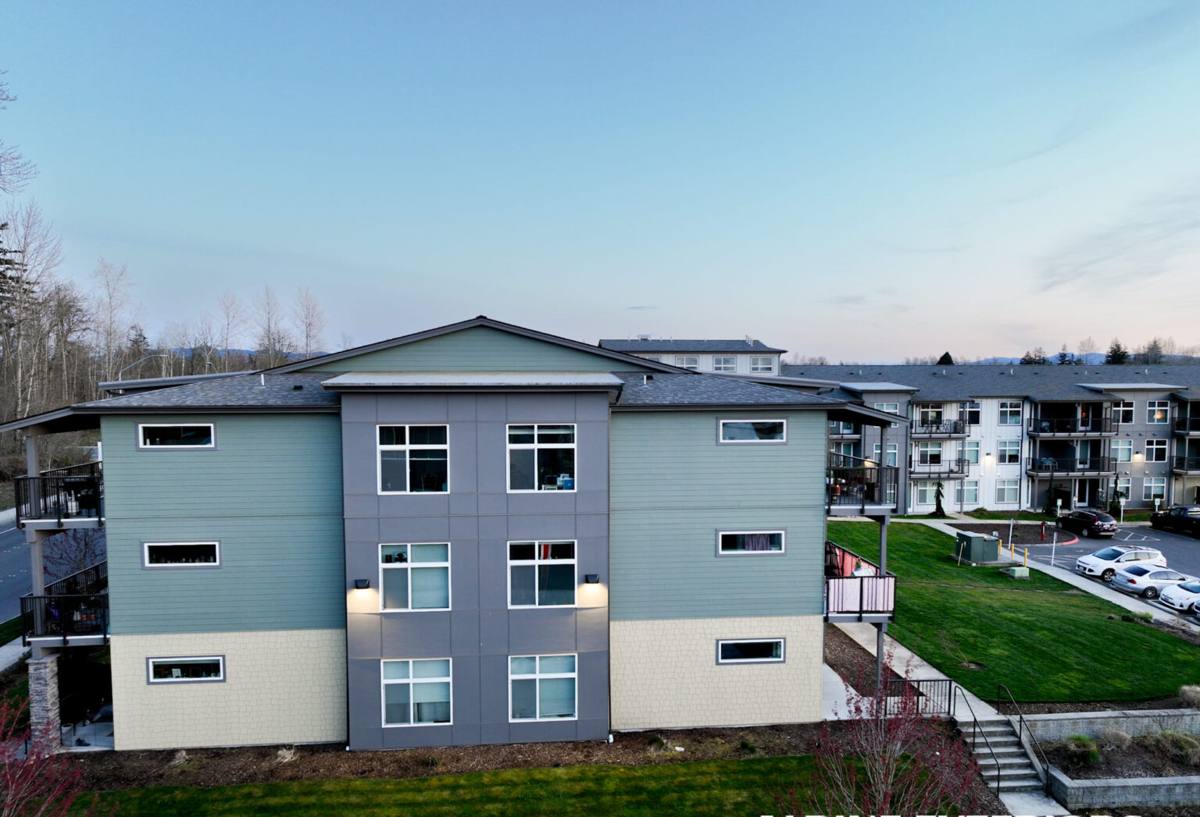
What Constant Moisture and Moss Do to the Wrong Siding
Before talking about what works, it's worth being specific about what fails here and why:
- Wood and wood-composite siding absorbs moisture at cut edges, seams, and fastener holes. Once water gets behind the surface coating, rot sets in from the inside out — long before it's visible from the street.
- Vinyl siding doesn't rot, but it flexes with temperature swings, which opens seams over time, and its textured surface gives moss and mildew something to grab onto. It also can't be repainted when it fades, so a shaded, damp lot tends to show its age faster.
- Lower-grade fiber cement products without a true factory finish rely on field-applied paint, which fails at the caulk lines and cut edges first — exactly the spots that take the most water in a driving rain.
- Any siding installed with tight or caulked joints instead of the gaps the manufacturer specifies traps moisture instead of letting it drain and dry, which speeds up every one of the problems above.
None of this is a knock on any one brand — it's just what happens to siding, generally, when it sits in shade, rain, and humidity most of the year. The product and the installation both have to account for it.
Why We Only Install James Hardie Here
James Hardie makes its siding for specific climate zones, and the HZ5 formulation used across the Pacific Northwest is engineered for exactly the wet, moderate-temperature conditions Whatcom County gets year-round. A few things matter specifically for a lot like the ones in Silver Beach:
It's fiber cement, not wood or vinyl
Hardie board is cement, sand, and cellulose fiber. It doesn't rot, it doesn't feed mold the way wood fiber does, and it doesn't warp or buckle with humidity swings the way vinyl can. It's also non-combustible, which matters in a region that has seen more wildfire smoke and risk in recent summers even on the wet side of the state.
ColorPlus finish handles shade and moss pressure better
Hardie's ColorPlus finish is baked on at the factory in multiple coats, not brushed on after installation. It resists fading and holds up to the mildew and moss staining that shaded, damp siding is prone to far longer than field-applied paint does — and if it's ever damaged, Hardie sells touch-up product matched to the exact color.
The warranty is transferable
Hardie's product warranty (and the ColorPlus finish warranty, when factory-finished boards are used) transfers to the next owner. For a neighborhood with a mix of long-time owners and newer buyers, that's a real selling point at resale, not just a comfort during ownership.
James Hardie Product Lines That Fit This Neighborhood
Silver Beach has a mix of home styles — older single-story homes, remodeled ramblers, and newer builds with more architectural detail. Hardie's product lines cover all of it:
| Product | Best For | Notes for This Area |
|---|---|---|
| HardiePlank lap siding | Traditional horizontal siding, most common choice | Available in smooth or cedar-textured finishes; sheds water well when lapped and gapped correctly |
| HardiePanel vertical siding | Modern facades, accent walls, gable ends | Common on newer or remodeled homes; needs correct battens and flashing to perform in driving rain |
| HardieShingle siding | Craftsman and cottage-style homes | Gives a shingle look without the moisture and moss issues of real wood shakes |
| HardieTrim boards | Window and door trim, corners, fascia | Resists the swelling and cracking that untreated wood trim shows first in a wet climate |
Choosing a profile
Most Silver Beach homes do well with a standard lap profile — it's proven, it drains well, and it matches what's already common in the neighborhood. Vertical panel siding looks great on modern remodels but is less forgiving of installation shortcuts, since it relies more heavily on correct furring and flashing to keep water moving down and out.
Choosing a color
Darker ColorPlus tones show less moss staining than very light colors on shaded, north-facing walls, simply because algae and mildew show up more visibly against white or pale trim. It's a small thing, but worth thinking about on a lot with heavy tree cover.
What a Correct Hardie Installation Actually Involves
Hardie siding performs the way it's supposed to only when it's installed to the manufacturer's specifications — and in a climate like this one, the details that get skipped are exactly the ones that cause problems two or three winters later.
- Weather-resistive barrier installed correctly behind the siding, lapped shingle-style so water drains outward, not into the wall assembly.
- Proper fastener placement — Hardie specifies fastener location and spacing precisely; fastening too close to an edge or through a butt joint invites cracking and water entry.
- Correct gapping at butt joints, corners, and around windows and doors, sealed with the right sealant only where Hardie's instructions call for it — not caulked solid everywhere, which traps moisture instead of letting it escape.
- Flashing at every horizontal transition — window heads, roof-to-wall intersections, and deck ledgers — since these are where driving rain finds its way behind siding first.
- Painted or factory-sealed cut edges on every field cut, since a raw cut edge is the fastest way moisture gets into the board itself.
- Minimum clearance from grade, decks, and roof lines so the bottom edge of the siding isn't sitting in standing water or snow load after a storm.
None of this is unusual or exotic — it's just specific, and it's the difference between siding that lasts as long as it's rated to and siding that starts showing problems well before then.
Our Process, Start to Finish
- On-site inspection — we look at your current siding, sheathing, and trim, and check for any moisture damage that needs to be addressed before new siding goes on top of it.
- Measurement and material plan — we quantify the job by profile, trim, and color so the estimate reflects your actual home, not a generic square-footage number.
- Tear-off and prep — removal of old siding, repair of any damaged sheathing or framing found underneath, and installation of the weather-resistive barrier and flashing.
- Hardie installation — siding, trim, and accessories installed to Hardie's fastening and gapping specifications, not shortcuts that happen to look fine on install day.
- Final walkthrough — we check the job against the same standard we'd want on our own house, and go over the details of your warranty coverage.
- Cleanup — site cleared of old material and debris before we consider the job finished.
Cost Factors for a Silver Beach Hardie Project
Every home is different, so we don't quote a flat rate before seeing the house, but these are the variables that move the number most:
| Factor | Why It Matters |
|---|---|
| Home size and number of stories | More surface area and taller walls both add material and labor time, and higher walls need more scaffolding or lift access |
| Siding profile chosen | Vertical panel and shingle-style siding generally take more labor per square foot than standard lap siding |
| Condition of existing sheathing | Rot or moisture damage found during tear-off has to be repaired before new siding goes on — this is common on older, shaded lots |
| Trim and architectural detail | Homes with more windows, gables, and trim lines take longer to flash and finish correctly |
| Site access | Tree cover, slopes, and tight side yards common in Silver Beach can affect staging and material handling |
| Color and finish | Factory-applied ColorPlus finishes cost more up front than primed board but remove the cost and risk of field painting |
Keeping Hardie Siding Looking Right After Install
Hardie siding is genuinely low-maintenance compared to wood or vinyl, but "low-maintenance" isn't "no-maintenance" — especially on a shaded, damp lot. A simple annual routine keeps it performing and looking the way it should:
- Rinse siding with a garden hose (not a pressure washer aimed directly at seams) once or twice a year to keep moss and mildew spores from taking hold.
- Keep gutters clean and downspouts directed away from the foundation so water isn't running down or pooling against the siding.
- Trim back tree branches and shrubs so siding gets some airflow and sun exposure where possible — even partial sun exposure slows moss growth noticeably.
- Check and re-caulk only at the joints Hardie specifies (not every seam) every few years, or sooner if you notice a gap opening up.
- Touch up any chips or scrapes with Hardie's matched touch-up product promptly, before bare edges are exposed to weather.
- Have the siding looked at after any major windstorm to catch loose trim or flashing early.
Why Local Experience in Silver Beach Matters
A siding job done to spec in a dry climate can get away with shortcuts that simply don't hold up here. A crew that already works Silver Beach and the rest of Whatcom County knows which walls take the worst of the driving rain, which lots need extra attention to drainage and flashing because of tree cover and shade, and what it actually takes for siding to look right ten winters from now, not just on install day. That's the difference between a siding job and a siding job that was built for this address.
If you'd like a straightforward look at what James Hardie siding would involve for your Silver Beach home — with an honest read on your current siding's condition and no pressure to sign anything — the estimate below is free and takes just a few minutes to request.