 Bellingham
 Why Siding Repair Looks Different in Sudden Valley
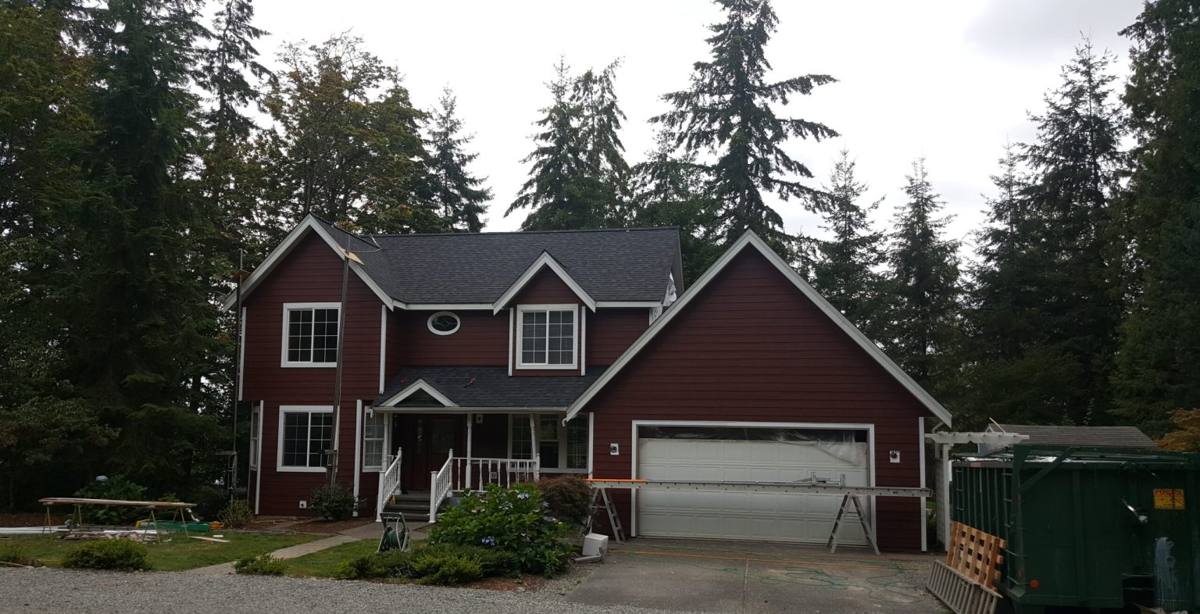
Sudden Valley sits back in the trees along Lake Whatcom, which makes it one of the more distinct pockets of the greater Bellingham area to maintain a home's exterior. The tree cover that makes the neighborhood attractive also keeps siding shaded and damp longer after every storm. Add in the driving rain that rolls through Whatcom County most of the year and the salt-tinged marine air that reaches inland from Bellingham Bay on a west wind, and you have a climate that is genuinely harder on exterior materials than a lot of homeowners realize until damage shows up. A siding repair here isn't just patching a hole or replacing a cracked board — it's addressing the specific way this setting attacks a house.
We've repaired siding on homes throughout Sudden Valley and the surrounding Lake Whatcom shoreline long enough to know the difference between a cosmetic fix and a repair that actually holds up through another wet Northwest winter. This page walks through what that looks like.
What Bellingham's Climate Does to Siding Over Time
Shade, moisture, and a long moss season
Wooded lots hold moisture against siding far longer than an open, sun-exposed property would. Water that would evaporate off a south-facing wall in a few hours can sit against a shaded, tree-lined wall for days. That extended dampness is exactly what moss, algae, and mildew need to take hold, and once they're established they trap even more moisture against the surface. Left alone through enough of Whatcom County's long, gray moss season, that trapped moisture is what eventually causes swelling, delamination, and rot in siding that isn't built to handle it.
Driving rain and wind-driven wetting
Rain in this region rarely falls straight down. Wind off the lake and out of the Sound pushes it sideways into wall assemblies, which means seams, laps, and penetrations around windows and vents take on water that a calm rain would never reach. Over years, this is what turns a small gap in caulking or a slightly open joint into a real moisture problem behind the siding, not just on top of it.
Coastal, salt-tinged air
Bellingham's proximity to salt water means the air carries fine salt content that settles on exterior surfaces across the whole region, including inland communities like Sudden Valley when the wind is right. Salt-laden moisture accelerates corrosion on fasteners, trim, and any metal flashing components, and it breaks down lower-grade paint finishes faster than a strictly inland climate would. It's one more reason the materials and finish used in a repair matter as much as the labor.
Common Siding Problems We See in Sudden Valley Homes
- Moss and algae staining that keeps returning to the same shaded wall sections, no matter how many times it's power-washed off
- Soft, spongy siding near ground level or under gutters, usually a sign of trapped moisture and early rot
- Cracked, warped, or delaminating boards, especially on older wood or engineered wood siding that was never rated for this much sustained dampness
- Failed caulk joints around windows, doors, and trim that let water track behind the siding
- Peeling or chalking paint finishes that leave bare wood or substrate exposed to the weather
- Rusted or corroded nail heads bleeding through the paint, particularly on walls that catch the most wind and moisture
- Gaps or buckling where boards have expanded and contracted through repeated wet-dry cycles
What a Correct Siding Repair Actually Involves
Diagnosing past the visible damage
A cracked board or a moss-stained panel is usually a symptom, not the whole problem. Before we touch anything, we check the surrounding wall for soft spots, check flashing and trim for gaps, and look at what's happening behind the siding wherever moisture has clearly been getting in. Replacing a damaged plank without addressing the moisture path that damaged it in the first place just buys a homeowner a few more years before the same repair is needed again in the same spot.
Matching materials and finish
Siding repair only looks right if the patch blends into the existing wall. That means matching board profile, exposure, and color as closely as the original material allows. On homes with factory-finished siding, we work with the manufacturer's color system rather than guessing with field-mixed paint, which is one of the reasons a consistent finish system matters over the life of a repair, not just on installation day.
Flashing and water management
Almost every serious siding failure we find traces back to water getting behind the material somewhere — a window head without proper flashing, a butt joint that wasn't sealed correctly, or trim that was face-nailed without any drainage path. A repair that doesn't correct the underlying flashing or drainage detail is a repair that's going to fail again, usually in the same place, usually within a few wet seasons.
Fastening and structural backing
Where boards have pulled loose or nail heads have corroded and backed out, we check that the wall sheathing underneath is still sound before refastening anything. Driving new fasteners into compromised sheathing doesn't fix a loose board — it just delays the next visit.
Repair or Replace? How We Help You Decide
Not every damaged section calls for a full re-side, and not every repair is worth doing on its own. We look at the extent of the damage, the age and condition of the rest of the siding, and how much of the wall assembly underneath has been affected. The table below outlines how we generally think through that decision.
| Factor | Repair usually makes sense | Replacement usually makes sense |
|---|---|---|
| Extent of damage | Isolated to one or two wall sections | Spread across multiple elevations |
| Underlying moisture | Localized, caught early | Widespread rot or long-term water intrusion |
| Siding age | Siding is well within its expected service life | Siding is near or past end of life for its material |
| Material match | Matching replacement boards are available | Original product is discontinued or a poor long-term match |
| Underlying sheathing | Sheathing is sound where repaired | Sheathing shows rot or damage beyond the repair area |
When damage is limited and caught early, a well-executed repair can add years of service life at a fraction of the cost of a full re-side. When the underlying moisture problem has been at work for a long time, patching individual sections often ends up costing more over time than doing the job once, correctly.
Why We Repair and Replace With James Hardie Fiber Cement
We install exclusively James Hardie fiber cement siding, and that standard carries into our repair work as well. Hardie's fiber cement doesn't absorb moisture the way wood or wood-based composite siding does, which matters directly for a climate defined by long stretches of dampness and shade. It's also non-combustible, holds paint and factory-applied ColorPlus finishes far longer than field-applied coatings on other materials, and is engineered specifically for wet, marine climates like this one through Hardie's HZ10 product line.
For homes already sided in Hardie, repairs are straightforward — we can match board profile and factory color closely because the product line and finish system are well documented and consistent. For homes currently sided in wood, older composite panels, or a product we don't install, we'll be direct about it: we can sometimes do a targeted repair to buy time, but if the underlying material has reached the point of recurring failure, our honest recommendation is usually to plan for a re-side in fiber cement rather than keep chasing the same damage year after year.
Our Process for a Sudden Valley Siding Repair
- On-site inspection. We walk the exterior, check the damaged areas, and probe surrounding sections for soft spots or hidden moisture before quoting anything.
- Honest scope. We tell you plainly whether this is a contained repair, a larger repair, or a case where replacement is the better long-term investment — and why.
- Material sourcing and matching. We source Hardie boards and trim matched as closely as possible to your existing siding's profile and finish, or plan the transition if an exact match isn't available.
- Correcting the cause. Before replacing any siding, we fix the flashing, sealant, or drainage issue that let water in to begin with.
- Repair and refinish. Damaged sections are removed, sheathing is checked and repaired if needed, and new material is installed with proper fastening and weather detailing.
- Final walkthrough. We review the completed work with you and point out anything else on the exterior worth keeping an eye on going forward.
Why Local Experience in Sudden Valley Matters
Sudden Valley is its own community within the Bellingham area, with wooded, sloped lots, longer driveways, and in many cases a homeowners association with its own exterior guidelines. A crew that hasn't worked the neighborhood before can lose time navigating access, staging materials on tight or hillside lots, and figuring out what an association will and won't approve for exterior changes. We've worked in and around Sudden Valley enough to plan for those realities up front instead of discovering them mid-job, which keeps repairs on schedule and keeps the finished work looking consistent with the rest of the home and street.
Familiarity with the specific way this lake-and-tree setting wears on siding also means we're not guessing at what caused the damage in front of us. We've seen the pattern before — which walls take the worst of the wind-driven rain, which shaded sides hold onto moss the longest, and which repair shortcuts don't hold up through a full Whatcom County winter.
Signs Your Siding Needs a Closer Look
- Recurring moss or algae staining on the same section of wall
- Any soft, spongy, or bubbling area when pressed gently by hand
- Visible gaps, warping, or buckling in the siding profile
- Paint that's peeling, chalking, or flaking down to bare material
- Rust streaks running down from fastener heads
- Higher than expected heating bills, which can point to moisture-compromised wall insulation
- Water stains or discoloration on interior walls that share an exterior wall with damaged siding
If you're noticing any of these on a Sudden Valley home, it's worth getting a professional look before the next wet season adds to the damage. We offer free, no-pressure estimates and can tell you honestly whether you're looking at a simple repair or something bigger.