 Bellingham
 Windows in a Neighborhood That Sees Real Weather
Barkley sits close enough to Bellingham Bay and the surrounding wetlands that homes here take on a specific mix of weather stress: salt-tinged air rolling in off the water, long stretches of driving rain through fall and winter, and a moss season that seems to start earlier every year. None of that is dramatic on its own, but it's relentless. Windows that aren't built and installed with that in mind start showing problems — fogged glass, soft trim, sticking sashes, drafts you can feel standing next to them — years before they should.
We work on homes throughout the Barkley area regularly, which means we're not guessing at what the local climate does to a window system over time. We've seen which failure points show up first, and we build our installs around avoiding them.
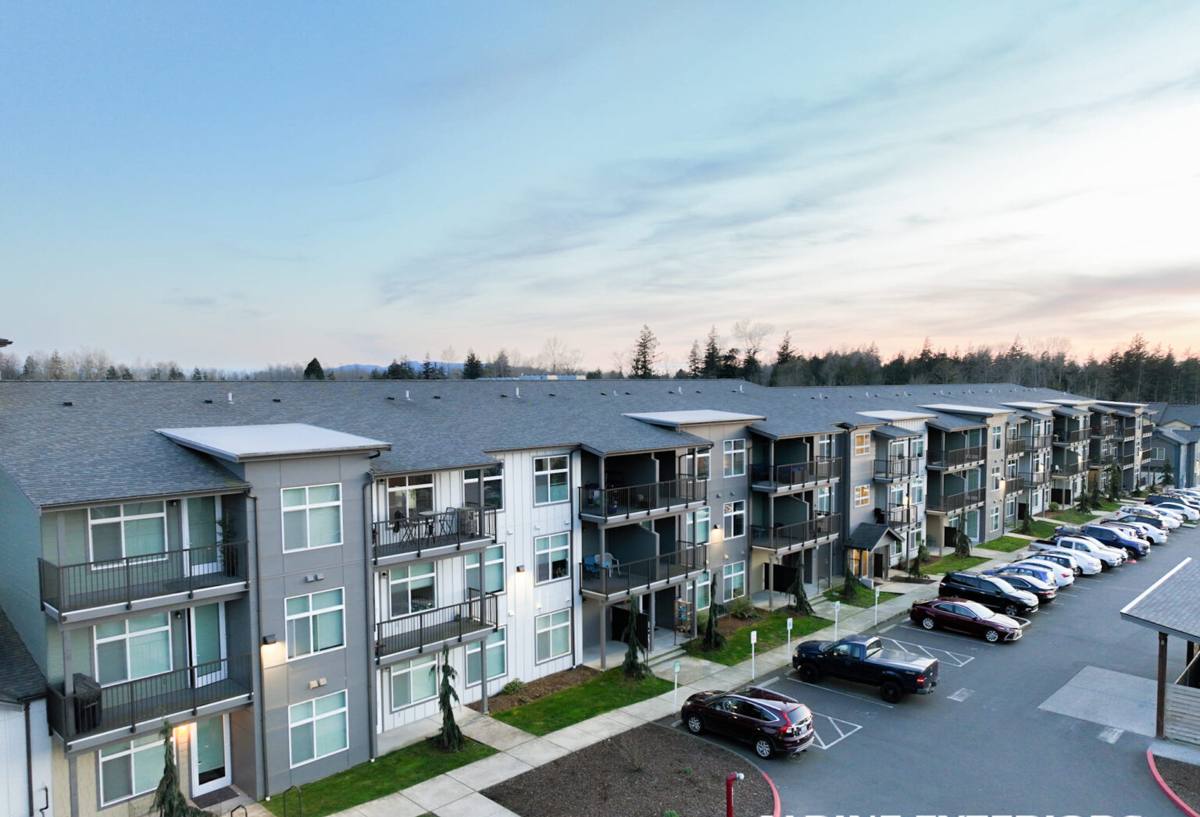
What "Custom" Actually Means Here
Custom windows aren't about fancy shapes or novelty glass. For most Barkley homes, "custom" simply means the window is built to the exact opening in your house rather than forced to fit a stock size. That distinction matters more in the Pacific Northwest than in drier climates, because a poorly fitted window is where water finds its way in.
- Exact measurement of each opening — older homes especially can have openings that are slightly out of square after decades of settling
- Frame material and glass package matched to the exposure of that specific wall (north-facing and west-facing walls take very different weather loads)
- Flashing and sill details built for wind-driven rain, not just vertical rain
- Trim and casing that match your home's existing style, or update it deliberately if that's the goal
A custom approach also lets us correct problems the original builder didn't account for — an undersized sill pan, a missing drip cap, or trim that was never properly sealed to the siding.
Custom vs. Off-the-Shelf Replacement
Some window companies sell a limited range of stock sizes and expect your opening to work with one of them, using extra trim or shims to close the gap. That approach is faster and cheaper up front, but every shim and gap is a place moisture can collect over time. Given how much rain this area gets, we don't consider that an acceptable trade-off for most homes.
Signs a Barkley Home Needs Window Attention
Homeowners often wait until a window is visibly failing before calling, but there are earlier signs worth acting on:
- Condensation between the panes (a sign the seal has failed on double or triple-pane glass)
- Wood trim that feels soft or looks discolored, especially on south and west exposures
- A draft you can feel with your hand near the frame on a windy day
- Visible moss or algae growth on the sill or lower frame — a direct sign of the moisture and shade this area is known for
- Windows that are difficult to open, close, or lock — frames can swell and shift with repeated wet-dry cycles
- Noticeably higher heating bills without another explanation
Any one of these on its own might not mean full replacement. But when several show up on the same window, or the same symptom shows up across multiple windows on one side of the house, that's usually a sign the original install or the window itself has reached the end of its useful life.
Material and Glass Options
There's no single "best" window material — the right choice depends on your home's style, your budget, and how much upkeep you want to take on. Here's how the common options compare for a marine climate like Whatcom County's:
| Material | Moisture Handling | Maintenance | Typical Lifespan |
|---|---|---|---|
| Vinyl | Very good — won't rot, resists salt air well | Low — occasional cleaning | 20-30 years |
| Fiberglass | Excellent — dimensionally stable in temperature and moisture swings | Low | 30-40 years |
| Wood (clad exterior) | Good if properly maintained; exposed wood is a liability here | Higher — exterior cladding needs regular inspection | 20-30 years with upkeep |
| Aluminum | Fair — prone to condensation without a thermal break | Low | 20-30 years |
We're generally cautious about installing bare wood exposed directly to weather in this area — it's not that wood windows are a bad product, it's that maintaining an exposed wood exterior on a Bellingham-area home is a real, ongoing commitment, and if that upkeep slips even for a season or two, moss and moisture damage move in fast. Clad wood, vinyl, and fiberglass all remove that maintenance burden while still giving you good options for appearance and performance.
Glass Packages
For this climate, we typically recommend double-pane glass with a low-E coating as the baseline, and argon-filled double or triple-pane for homes wanting better insulation and noise reduction. The coating matters as much as the pane count — it's what controls how much heat you lose through the glass during our long stretches of cool, wet weather.
Our Installation Process
The install itself is where most window problems actually originate, regardless of how good the window unit is. Our process is built around getting the details right that don't show up until years later:
- On-site measurement and inspection of each opening, including checking for existing water damage or rot around the frame
- Removal of the old window and inspection of the sheathing and framing underneath before anything new goes in
- Repair of any hidden damage found — we won't install a new window over a compromised opening
- Proper flashing and sill pan installation, sequenced to shed water outward rather than trap it
- Setting and shimming the new window plumb, level, and square
- Sealing and insulating the gap between frame and rough opening
- Exterior trim and caulking, finished to match your home
- Final function check — every window opens, closes, and locks correctly before we consider the job done
Step 3 is the one that separates a durable install from one that fails early. It's also the step that's easy to skip if a crew is trying to move fast. We don't skip it.
What Drives the Cost
Every home is different, but the main factors that move the price on a window project are consistent:
| Factor | Why It Matters |
|---|---|
| Number of windows | Per-window cost drops somewhat with larger projects due to shared setup and labor |
| Material choice | Vinyl is typically the most budget-friendly; fiberglass and clad wood cost more up front |
| Glass package | Triple-pane and specialty coatings add cost but improve comfort and efficiency |
| Existing damage | Rot or water damage found during removal adds repair time before the new window goes in |
| Window size and shape | Large picture windows, custom shapes, or hard-to-reach upper floors take more time and equipment |
| Trim and exterior detailing | Matching existing trim profiles or updating trim style adds labor |
We give a firm, itemized quote after seeing the actual openings — not a phone estimate — because the condition behind the old window can change the scope more than the window itself does.
Why Local Experience in Barkley Matters
Bellingham isn't one uniform microclimate — exposure, elevation, and proximity to the bay all vary block to block, and Barkley's mix of newer construction and older homes means we run into a range of window ages and install quality when we get called out. Working in this neighborhood regularly means we already know what to check for: which builders in the area used sill pans and which didn't, how moss tends to establish on north-facing frames here, and which trim details hold up against driving rain and which don't.
That local pattern-recognition doesn't replace inspecting your specific windows, but it means we're not learning the neighborhood on your project. We show up already knowing what Whatcom County weather does to a window install over ten or twenty years.
After Installation: Keeping Windows Performing
New windows still need basic upkeep in this climate:
- Rinse sills and frames periodically to keep moss and algae from establishing, especially on shaded or north-facing windows
- Check and re-caulk exterior seals every few years — caulk is a wear item, not a permanent fix
- Keep gutters and downspouts clear so runoff isn't sheeting directly across upper-floor windows
- Operate locks and hardware periodically through the winter so mechanisms don't seize from disuse
None of this is heavy maintenance, but skipping it is how a well-installed window ends up looking neglected after a few wet Bellingham winters.
If your Barkley home has windows showing any of the signs above, or you're planning ahead for a replacement project, we're happy to take a look and walk you through honest options for your specific home — no pressure, no obligation. Use the form below to request a free estimate.