 Bellingham
 Roof Repair Built for the Puget Area's Climate
Homes in and around the Puget neighborhood of Bellingham take a specific kind of beating. It isn't one dramatic storm that wears out a roof here — it's the accumulation of small, constant exposures: salt-laden air moving in off the water, driving rain that comes in sideways during winter fronts, and a moss season that can run eight months or more in shaded, north-facing sections of a roof. A repair approach that works fine in a drier inland climate often falls short here, because it doesn't account for how moisture actually behaves on a Whatcom County roof over the course of a wet Pacific Northwest year.
This page covers what roof repair means specifically for Puget-area homes: what to watch for, what a correct repair actually involves, how we handle the job from first call to final walkthrough, and why it matters to hire a crew that already understands this stretch of Bellingham rather than a general contractor working from a generic checklist.
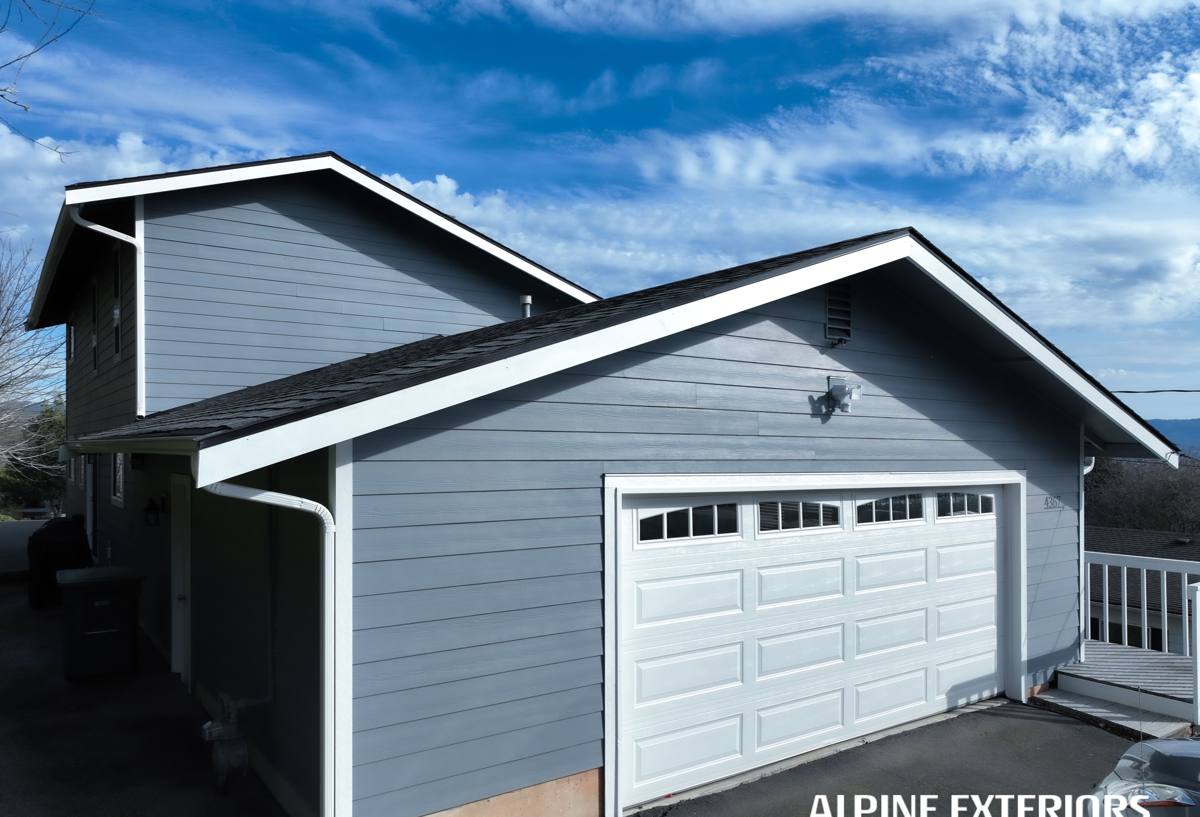
Why Puget-Area Roofs Wear Differently
Salt Air and Metal Fatigue
Proximity to Bellingham Bay means airborne salt settles on roofing materials, flashing, fasteners, and gutter systems. Over time this accelerates corrosion on exposed metal — nail heads, drip edge, valley flashing, and vent boots with metal collars are the first places we see it. A roof that looks fine from the ground can have flashing that's thinned out or fasteners that have started to back out because the metal underneath is degrading.
Driving Rain and Wind-Driven Moisture
Whatcom County storms frequently come with enough wind to push rain sideways and up under shingle edges, especially at roof-to-wall transitions, chimney flashing, and low-slope sections. This is different from rain simply falling straight down — it tests seals and laps that would otherwise hold up fine, which is why leaks in this area often show up at transitions and penetrations rather than in the open field of the roof.
Moss, Shade, and Moisture Retention
Many Puget-area lots have mature trees that shade parts of the roof for much of the day. Combined with our long wet season, that shade lets moss and algae establish and hold moisture against the roofing surface for extended periods. Moss doesn't just look bad — its root structure lifts shingle edges and its water-holding mat keeps the deck underneath damp far longer than it should stay, which shortens the life of the material and can lead to rot in the sheathing below if it's left unaddressed.
Signs a Bellingham Roof Needs Repair, Not Just Cleaning
- Granule buildup in gutters or at downspout outlets, indicating shingle surface wear
- Moss growth thick enough to lift shingle tabs, versus a light surface film
- Rust staining below metal flashing or vent boots
- Soft or spongy spots when walked, suggesting deck moisture underneath
- Daylight visible through the attic at roof penetrations or ridge lines
- Interior ceiling stains that appear or worsen after wind-driven rain events
- Curling, cracked, or missing shingles concentrated on one slope, often the side facing prevailing weather
- Flashing that has visibly separated from the roofing material at chimneys, skylights, or wall intersections
Some of these are cosmetic and can wait for a scheduled visit. Others — particularly soft decking, interior staining, or separated flashing — mean water is already getting past the roofing surface and the repair window is closing.
What a Correct Roof Repair Actually Involves
A proper repair isn't just patching the spot where a leak shows up inside the house. Water travels along the underside of roofing material before it drips through the ceiling, so the visible stain is rarely directly above the actual entry point. Our process starts by tracing the path of water back to its real source, which usually means inspecting flashing, underlayment condition, and fastener patterns in the surrounding area, not just the one shingle that looks damaged.
Typical Repair Steps
- Inspect the affected area from both the roof surface and the attic side, where accessible, to confirm the true entry point
- Remove and assess the condition of surrounding shingles, underlayment, and decking — moisture damage often extends beyond the visible symptom
- Replace or re-flash penetrations (vents, chimneys, skylights) with corrosion-resistant materials suited to a coastal climate
- Restore proper shingle lap and fastening patterns so wind-driven rain can't work its way underneath
- Address any moss or debris in the surrounding area that contributed to the original failure
- Check and clear gutters and downspouts near the repair so water is actually carried away from the structure
Skipping the diagnostic step is the most common shortcut in this trade, and it's why some repairs fail again within a year or two. Patching over a symptom without addressing the underlying moisture path just delays the next call.
Materials and Flashing Choices That Hold Up Locally
Our standard on Puget-area repairs is to use corrosion-resistant flashing and fasteners rather than the cheapest available option, because standard galvanized components can start showing surface rust within a few years this close to the water. We also pay close attention to underlayment condition during any repair that opens up the roofing surface — if the underlayment beneath a repaired section is degraded or improperly lapped, replacing shingles on top of it just resets the clock on the same failure.
A Note on Moss Treatment
Chemical moss treatments and zinc or copper strips can slow regrowth, but they're a maintenance tool, not a repair. If moss has already lifted shingles or held moisture against the deck long enough to cause damage, treatment alone won't fix what's underneath. We treat moss control as a follow-up recommendation after the repair, not a substitute for it.
Repair vs. Replacement: How We Help You Decide
| Factor | Points Toward Repair | Points Toward Replacement |
|---|---|---|
| Age of roof | Under 15 years, isolated issue | Approaching or past expected material lifespan |
| Extent of damage | Localized to one area or penetration | Multiple slopes or widespread granule loss |
| Decking condition | Solid, no soft spots found | Soft or rotted decking in multiple areas |
| Moss/algae history | Recent, hasn't caused deck moisture | Long-term moss with confirmed underlying moisture damage |
| Prior repair history | First repair in this area | Repeated repairs to the same section over time |
We'll always give you a straight answer on which side of this table your roof falls on. If a repair will genuinely hold, we recommend the repair — replacement is not our default suggestion just because a roof is older.
Our Process for Puget-Area Roof Repair Calls
1. Initial Contact and Scheduling
We ask a few questions up front about what you're seeing — interior staining, visible damage, moss coverage — so we arrive prepared for the likely cause rather than starting from scratch on site.
2. On-Site Inspection
We inspect the roof surface, flashing, penetrations, and, where accessible, the attic side to confirm water paths. We'll show you what we find and explain it in plain terms before recommending anything.
3. Written Scope and Estimate
You get a clear description of what needs to happen and why, with a straightforward estimate — no pressure to upgrade to a larger project than the roof actually needs.
4. The Repair
We complete the work using materials suited to this climate, clean up the site, and check that surrounding drainage — gutters, downspouts, valleys — is functioning properly so the repair isn't undermined by water management issues nearby.
5. Follow-Up
For repairs tied to moss or debris buildup, we'll let you know what routine maintenance would help prevent a repeat call, including realistic timing for periodic roof cleaning given your property's shade and exposure.
Why a Crew That Already Works in Puget Matters
A contractor who regularly works Bellingham and the surrounding Whatcom County area already knows which flashing details tend to fail first in this climate, which roof orientations catch the worst of the wind-driven rain, and how aggressive moss growth can get on shaded slopes near the water. That local pattern recognition shortens the diagnostic process and reduces the chance of a repair that looks fine on day one but fails again after the next wet season. It also means we're a known, reachable local business if a follow-up question comes up after the work is done — not a crew that drove in from out of the area for one job.
Maintenance Between Repairs
- Have gutters and downspouts cleared at least twice a year, more often under heavy tree cover
- Trim back branches that keep sections of the roof shaded and damp
- Schedule moss removal before it has a chance to lift shingle edges, not after
- Do a visual check after major wind storms for lifted shingles or displaced flashing
- Address small leaks promptly — a small, cheap repair now is almost always less expensive than the deck and interior damage that follows if it's ignored through another wet season
If you're seeing signs of roof trouble on a Puget-area home, or just want an honest read on whether a repair or something more is needed, we're happy to take a look. Request a free, no-pressure estimate using the form below and we'll schedule a time to come out.