 Bellingham
 Windows Built for Sehome's Climate, Not Just Its Style
Sehome sits close enough to Bellingham Bay that homes here take a steady beating from salt-laden air, wind-driven rain, and the long gray stretch of moss season that runs most of the year in Whatcom County. Older wood windows in this neighborhood often show it first at the sill and lower corners — soft spots, peeling paint, and a draft that wasn't there five years ago. Custom windows done right for this area aren't just about looks or energy bills. They're about picking frame materials, glazing, and flashing details that can actually stand up to what Bellingham weather does to a window, year after year.
"Custom" here doesn't mean exotic. It means the window is sized, built, and installed to fit your specific opening and your specific exposure — not a stock size forced into a rough opening with extra caulk to make up the difference.
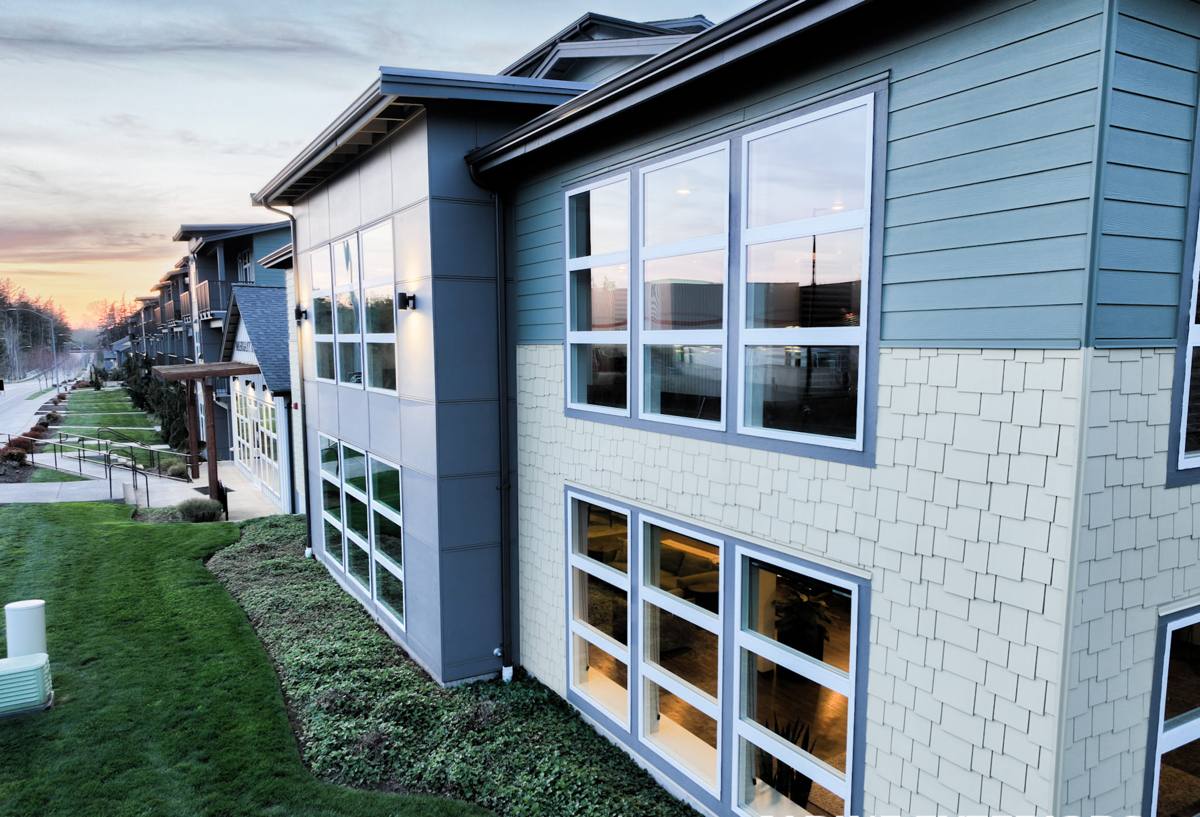
What Sehome Homes Typically Need
Sehome's mix of older bungalows, mid-century homes, and newer infill means window needs vary block to block, but a few patterns show up consistently in this neighborhood:
- Original single-pane or early double-pane wood windows that have reached the end of their useful life, especially on the west and south-facing walls that catch the most driving rain
- Wood sills and lower sash rails with early rot from years of moisture sitting in unpainted or poorly sealed joints
- Condensation and fogging between panes on older insulated glass units, a sign the seal has failed
- Drafts and higher heating costs in homes still running original wood windows from decades back
- Moss and algae staining on sills and trim from the region's long wet season, which points to poor drainage at the window rather than just a cleaning issue
Because Sehome is an established, walkable neighborhood with a lot of pride in how homes present from the street, most homeowners here also want a window that looks right for the house — true divided-lite patterns on an older bungalow, clean simple lines on a newer build — not just whatever's cheapest to install.
Why Moss Season Matters More Than People Think
Bellingham's moss season isn't just a roof problem. Moss and algae hold moisture against wood trim, sills, and cladding around a window opening for months at a stretch. If the flashing behind the trim isn't doing its job, that trapped moisture works its way into the framing before anyone notices a leak from inside. By the time you see a stain on the drywall below a window, the wood behind it has usually been wet for a while.
What a Correct Window Job Actually Involves
A window replacement is only as good as what's happening behind the trim, where nobody sees it after the job is done. This is where corners get cut, and it's exactly where Bellingham's climate finds the weak point.
The Parts That Matter Most
- Flashing sequence — sill pan flashing, side flashing, and head flashing installed in the right shingle-lap order so water is always directed out and down, never trapped behind the window
- Housewrap integration — the flashing has to tie into the existing weather-resistive barrier correctly, not just get taped over it as an afterthought
- Frame material — fiberglass, vinyl, or clad-wood options suited to a marine climate, chosen based on your home's exposure and your maintenance preferences
- Glazing package — low-E, argon-filled double or triple pane glass appropriate for Pacific Northwest heating patterns and condensation control
- Sill and trim detailing — sloped sills, proper drip caps, and back-primed or factory-sealed trim so standing water and moss don't get a foothold
- Air sealing — low-expansion foam and backer rod at the rough opening perimeter, not just caulk smeared around the outside trim
Skip any one of these steps and the window can look fine for a year or two while moisture quietly works into the framing behind it — exactly the kind of hidden damage that's expensive to fix once it shows up.
Frame Material Comparison for This Climate
| Material | Moisture Resistance | Maintenance | Best Fit |
|---|---|---|---|
| Vinyl | Good — won't rot, some flexing in temperature swings | Low — no painting needed | Budget-conscious replacements, rentals, newer builds |
| Fiberglass | Excellent — dimensionally stable, handles moisture well | Low to moderate | Homes with heavy west/south exposure to driving rain |
| Clad-wood | Good on exterior face, wood interior needs protection | Moderate — exterior cladding shields the wood | Older Sehome homes wanting to preserve a traditional look |
| Bare wood | Requires diligent upkeep in this climate | High — regular repainting and sealing | Historic restorations where authenticity is the priority |
None of these are wrong choices — they're trade-offs. We'll tell you honestly which one fits your home's exposure and how much upkeep you actually want to sign up for, rather than pushing whatever has the best margin.
Our Process for a Sehome Window Job
1. On-Site Assessment
We look at each opening individually — sun and rain exposure, current condition of the sill and framing, and how the existing flashing and housewrap are set up. Two windows on the same house can need different solutions depending on which direction they face.
2. Honest Scope and Options
You get a clear breakdown of what's actually needed — full frame replacement versus insert replacement, which frame materials make sense for that specific opening, and what it'll cost in a real range, not a lowball number that grows once the crew opens the wall.
3. Removal and Inspection
Once the old window is out, we check the framing underneath. This is the point where hidden rot or water damage from years of moss and moisture shows up, and it's better to find it now than to seal a new window over a problem.
4. Correct Flashing and Installation
We install sill pan flashing, integrate it with the existing weather barrier, set the window plumb and level, and air-seal the perimeter properly. This step is what determines whether the window is still performing in fifteen years or leaking in three.
5. Trim, Sealing, and Cleanup
Interior and exterior trim goes back correctly, sealed against the moisture patterns specific to this climate, with the job site left clean.
Cost Factors Worth Understanding Upfront
Custom window pricing in the Bellingham area depends on more than just the window unit itself. Before getting quotes, it helps to understand what actually drives the number:
| Factor | Why It Matters |
|---|---|
| Insert vs. full-frame replacement | Full-frame costs more but is often necessary when sills or framing show rot damage |
| Frame material | Vinyl is typically the most affordable; fiberglass and clad-wood cost more upfront but often last longer in wet exposure |
| Number and size of openings | Larger or custom-shaped windows (bay, picture, arched) require more fabrication time |
| Extent of hidden damage | Rot found behind old trim adds repair time before the new window can go in |
| Access and site conditions | Second-story or hard-to-reach openings add labor time |
Broadly, homeowners in this area should expect a wide range depending on these factors — a straightforward vinyl insert replacement on the ground floor costs meaningfully less than a full-frame fiberglass replacement on a hard-to-reach second-story opening with rot repair involved. We'll walk through where your project falls before any work starts.
Why It Matters That We Already Work in Sehome
A crew that's worked windows throughout Bellingham and Whatcom County knows what this specific climate does to a window installation over time — not from a manual, but from having gone back to fix other contractors' shortcuts. We know which flashing details actually hold up against driving rain off the bay, and which corners get cut that look fine at handoff but fail in year three. Working locally also means we're accountable locally — if something needs a follow-up visit, we're not driving in from three counties away.
We also understand the character of Sehome's housing stock, from older bungalows where matching the original window proportions matters, to newer homes where performance and energy efficiency are the priority. That local familiarity shapes the recommendations we make, not just the products we happen to carry.
Signs You Shouldn't Wait On
- Visible fogging or moisture between the panes of an insulated window
- Soft or spongy wood at the sill when you press on it
- A window that's difficult to open, close, or lock properly
- Persistent moss or dark staining on the sill or trim that returns after cleaning
- Noticeable drafts near the window frame during windy, wet weather
- Visible daylight or gaps around the frame from outside
Any of these can mean moisture is already working its way into the wall behind the window. Catching it early keeps a window job a window job, instead of turning into a framing repair.
If you're seeing any of these signs on your Sehome home, or you're just ready to replace tired old windows with something built for this climate, we're glad to come take a look. The estimate is free, there's no pressure, and you'll get a straight answer about what your windows actually need — just fill out the form below to get started.