 Bellingham
 Siding Replacement Built for Lynden's Climate
Lynden sits inland from Bellingham Bay, but that doesn't mean the marine layer stops at the city limits. Moist Pacific air moves through the Nooksack valley all year, and homes here deal with the same combination of salt-tinged moisture, driving rain, and long stretches of overcast, damp weather that the rest of Whatcom County contends with. Add in the moss and algae growth that thrives in shaded, north-facing walls and under eaves, and you have a climate that is genuinely hard on exterior siding — regardless of what it's made of.
A siding replacement in Lynden isn't just a cosmetic upgrade. Done right, it's a chance to correct years of accumulated moisture exposure, fix flashing and drainage problems that were never addressed the first time, and put a weather-resistant material in place that's actually engineered for this region. Done wrong — with the wrong product, the wrong prep, or a crew unfamiliar with local conditions — it's a problem that resurfaces in three to five years instead of thirty.
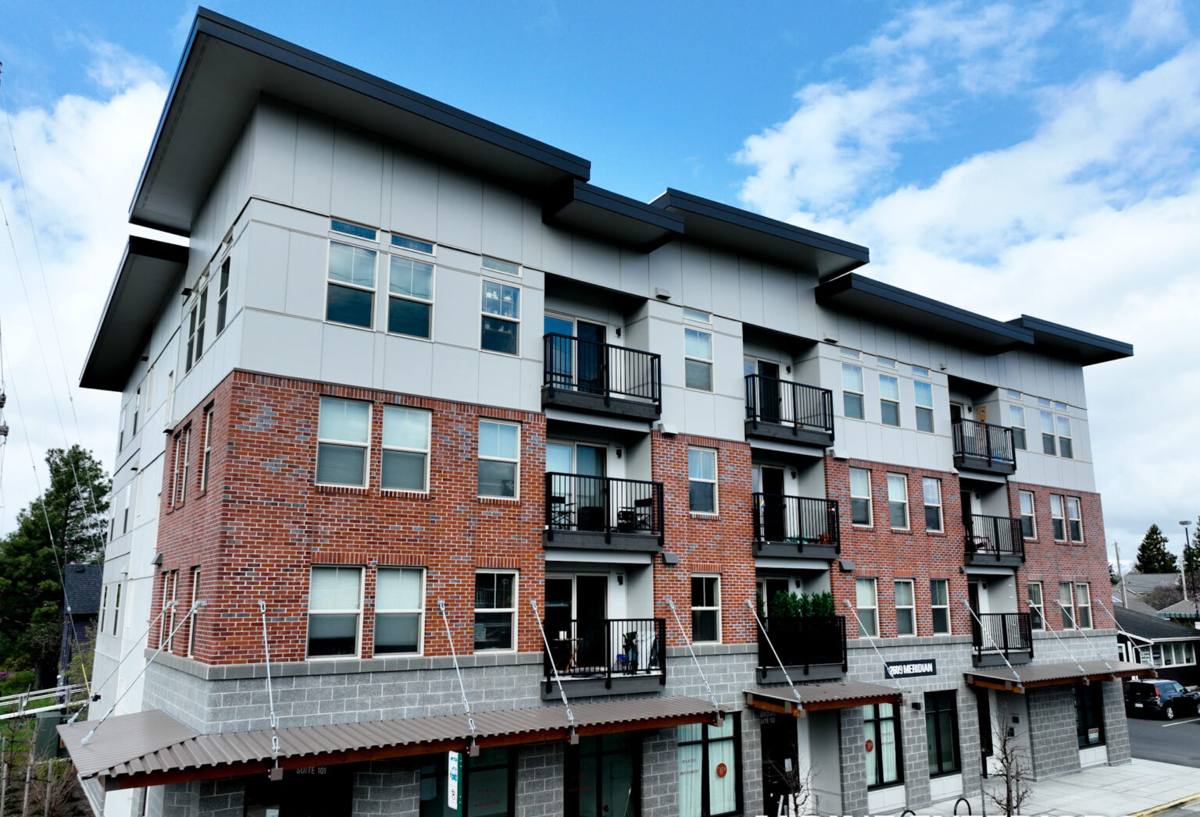
What Local Weather Does to Siding Over Time
Whatcom County's weather pattern is deceptively mild-looking on paper — no hurricanes, no extreme heat — but the steady, low-grade exposure adds up faster than most homeowners expect.
Moisture That Never Fully Dries Out
Long moss seasons mean long stretches where siding, trim, and the wall assembly behind it stay damp. Wood-based products swell, and any siding with compromised caulking or flashing lets that moisture behind the surface, where it can sit against sheathing for weeks at a time.
Driving Rain and Wind-Driven Water
Rain in this region rarely falls straight down. Wind pushes it sideways into wall assemblies, which is exactly why lap joints, seams, and butt joints are the first places siding fails. A product or installation that isn't built to shed wind-driven rain will eventually let water track behind the cladding.
Moss, Algae, and Organic Growth
Shaded elevations, tree cover, and consistent moisture create ideal conditions for moss and algae to colonize siding surfaces. Beyond the appearance issue, organic growth holds moisture against the material and can accelerate deterioration in products that aren't formulated to resist it.
Salt Air in the Mix
While Lynden is farther from open saltwater than the Bellingham waterfront, prevailing marine air still carries salt content into Whatcom County's interior. Over time, that affects fasteners, trim, and any siding material prone to corrosion-related failure at the fastener points.
Signs a Lynden Home Needs Siding Replacement
Not every siding problem calls for a full replacement — but several warning signs mean patching won't hold for long. If you're seeing more than one or two of these, it's worth a real inspection rather than another round of caulk and paint.
- Soft or spongy spots when you press on siding, especially near the bottom courses or under windows
- Paint that keeps failing in the same spots within a year or two of repainting
- Persistent moss or algae staining that returns quickly after cleaning
- Visible gaps, warping, or cupping in boards or panels
- Cracking at butt joints or corners that keeps reopening after caulking
- Rising energy bills with no other explanation, suggesting compromised wall insulation
- Visible rot at trim boards, window casings, or the bottom edge of siding runs
- Interior signs — musty smells, peeling interior paint, or staining on walls that share an exterior wall
What a Correct Siding Replacement Actually Involves
Siding replacement is often sold as a surface-level swap, but the work that matters most happens underneath the new material. A correct job in this climate includes:
Full Tear-Off and Sheathing Inspection
Removing the old siding down to the sheathing lets us actually see what's been happening behind it — rot, mold, compromised framing, or moisture trapped by a failed water-resistive barrier. Covering over existing siding, or a problem, guarantees it keeps getting worse out of sight.
A Proper Water-Resistive Barrier
A correctly lapped and sealed weather barrier is what actually keeps bulk water out of the wall assembly. Given how much moisture this region deals with, this layer is not optional and not a place to cut corners.
Flashing at Every Penetration
Windows, doors, hose bibs, vents, and any other wall penetration need proper flashing that directs water outward and downward, not into the wall. Most siding failures we see trace back to a flashing detail that was skipped or done wrong.
Correct Fastening and Clearances
Fiber cement siding has specific fastening patterns, nail penetration depths, and clearance requirements from grade, roof lines, and horizontal surfaces. Getting these wrong voids warranties and shortens the life of the installation regardless of how good the material is.
Caulking and Sealant Where It Belongs — and Nowhere Else
Modern siding systems are designed to shed water through overlaps and drainage, not rely on caulk as the primary defense. Over-caulking can actually trap moisture. Knowing where sealant helps and where it hurts is a detail that separates an experienced crew from one working outside its usual trade.
Why We Only Install James Hardie Fiber Cement
We install James Hardie siding exclusively — not vinyl, not LP SmartSide, not primed wood, not other fiber cement brands. That's a deliberate standard, not a limitation in what we're capable of installing.
James Hardie's fiber cement is non-combustible, which matters increasingly to insurers and homeowners alike. It's engineered in HZ5 and HZ10 product lines specifically for cold, wet, high-moisture climates like the Pacific Northwest, with formulations designed to resist moisture-related damage and hold paint and finish over the long term. The factory-applied ColorPlus finish is baked on under controlled conditions, which gives it more consistent coverage and better fade resistance than field-applied paint, and it comes with a genuine transferable warranty backing the product.
Vinyl siding is inexpensive and low-maintenance in mild conditions, but it can become brittle and crack in freeze-thaw cycles, expands and contracts more than fiber cement, and doesn't hold up well against sustained moisture at seams and J-channels. LP SmartSide and other engineered wood products perform well when installation and maintenance are followed to the letter, but any breach in the factory finish exposes the wood substrate to exactly the kind of sustained moisture this region produces. We'd rather install one product correctly and stand behind it than offer several and hope maintenance keeps up with the climate.
Comparing Siding Options for This Climate
| Material | Moisture Performance Here | Moss/Algae Resistance | Maintenance Burden |
|---|---|---|---|
| James Hardie Fiber Cement | Engineered for wet climates; stable when installed to spec | Resists organic growth well; cleans up without damaging finish | Low — occasional wash, no repainting for years |
| Vinyl Siding | Can trap moisture at seams; brittle in cold snaps | Growth sits on the surface; can discolor over time | Low upfront, but panels can warp or crack and need replacement |
| LP SmartSide / Engineered Wood | Vulnerable at any finish breach or cut edge | Prone to growth if finish degrades | Moderate — finish and caulk need regular upkeep |
| Primed Cedar/Spruce | Absorbs moisture readily; needs consistent sealing | Susceptible without regular treatment | High — repainting and sealing on a recurring cycle |
Cost Factors for Siding Replacement in Lynden
Every home is different, so we don't quote sight-unseen, but a few factors reliably move the cost of a siding replacement up or down.
| Factor | Why It Matters |
|---|---|
| Extent of tear-off and sheathing repair | Rot or water damage found underneath the old siding adds material and labor beyond the siding itself |
| Home size and wall complexity | More corners, dormers, and cutouts around windows and doors mean more labor time |
| Siding profile and trim details | Board-and-batten, shake-style panels, and custom trim take longer than straightforward lap siding |
| Accessibility | Height, tight side-yards, and landscaping can affect scaffolding and staging needs |
| Color and finish selection | Factory ColorPlus finishes vary in cost by line, though all outperform field-applied paint over time |
Our Process From Estimate to Finished Job
We keep the process straightforward because homeowners deserve to know what's happening at every stage:
- Free on-site estimate — we walk the exterior, check for the warning signs above, and give you an honest read on what's needed.
- Detailed proposal — a written scope covering tear-off, repairs, materials, and timeline, with no vague allowances.
- Tear-off and inspection — old siding comes off, sheathing gets inspected, and any rot or damage is addressed before anything new goes up.
- Weather barrier and flashing — the moisture-management layer goes in correctly, since this is what actually protects the home long-term.
- James Hardie installation — installed to manufacturer spec for fastening, clearances, and joint treatment.
- Final walkthrough — we go over the finished work with you before calling the job done.
Why Hiring a Crew That Already Works in Lynden Matters
Siding installation isn't uniform across climates. A crew that mostly works drier regions may not think twice about flashing details, drainage planes, or clearance from grade that matter enormously here. A crew that already works Whatcom County homes has seen how moss builds up on north-facing walls, how wind-driven rain finds gaps at butt joints, and how quickly a skipped flashing detail turns into a repair call two winters later.
That local experience shows up in the details — where extra flashing gets added even when it's not strictly required, how joints are sequenced to shed water instead of collect it, and which areas of a Lynden home tend to take the most weather exposure over a given year. It's the difference between a siding job that looks right at handoff and one that's still performing correctly a decade in.
Get a Free, No-Pressure Estimate
If your Lynden home is showing signs of siding wear — or you'd just like an honest assessment of where things stand — we're happy to take a look. The estimate is free, there's no pressure to move forward, and you'll get a straight answer about what your home actually needs. Use the form below to get started.