 Bellingham
 Custom Windows Built for Happy Valley's Climate
Happy Valley sits close enough to Bellingham Bay and the surrounding hills that its homes take a specific kind of weather beating: salt-tinged air off the water, long stretches of driving rain through fall and winter, and a moss season that seems to start earlier every year. None of that is unique to this one neighborhood, but the combination shapes what actually holds up here versus what looks fine for a season or two and then starts failing at the seams. Custom windows done right in Happy Valley aren't just about picking a style you like — they're about frame material, glazing, and flashing details that are matched to a marine climate, not a catalog photo.
We've worked on homes throughout this part of Whatcom County long enough to know which failure points show up again and again: sills that trap moisture, sealant that was never meant for constant damp cycling, and trim details that let wind-driven rain find a way in sideways. A custom window job here should solve for those things from the start, not patch them later.
What "Custom" Actually Means for This Job
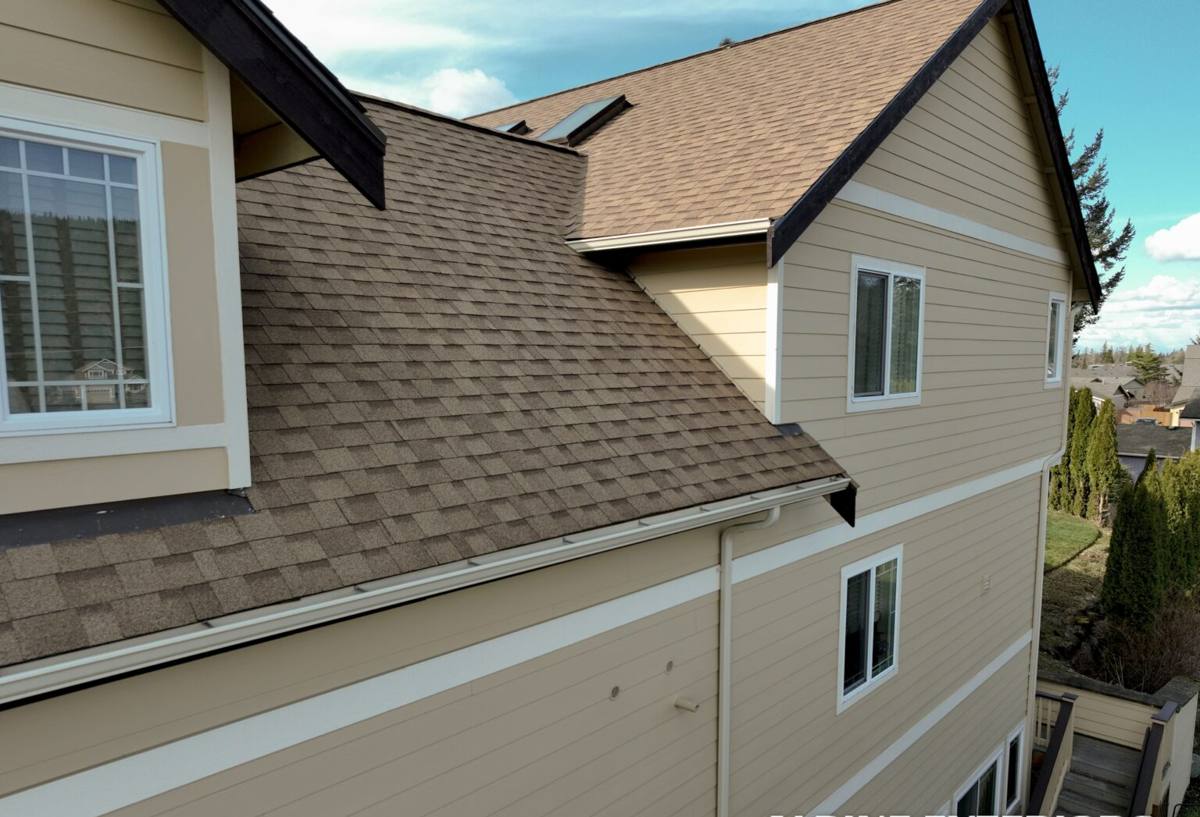
Custom doesn't have to mean exotic or expensive — it means the window is sized, framed, and detailed to fit your actual opening and your actual house, rather than forcing a stock size into a space it wasn't made for. In older Happy Valley homes especially, openings are rarely perfectly square or standard-sized after decades of settling. A custom-fit window closes those gaps properly instead of relying on extra caulk and shims to make up the difference.
Where Custom Sizing Matters Most
- Older single-family homes with settled or slightly out-of-square framing
- Bay windows, picture windows, or unusual shapes that don't come in stock sizes
- Additions or remodels where the new opening doesn't match original construction
- Replacing multiple windows on one wall where sightlines need to line up
- Homes where you want a specific grille pattern, glass tint, or hardware finish to match the house's character
Frame Materials: What Holds Up Near the Bay
Frame choice matters more here than in a drier inland climate. Constant moisture cycling — rain, humidity, the occasional salt-carrying wind — is hard on materials that aren't built for it. We steer customers toward vinyl and fiberglass frames for most Happy Valley homes because they don't absorb moisture, don't require repainting, and don't swell or rot the way untreated wood can over time near the water. We're candid about wood-frame windows too: they can look great and plenty of homeowners want that look, but they come with a real maintenance commitment — regular repainting or resealing, more attention to the sill, and more sensitivity to installation quality. If you want a wood look, we'll talk through clad options that give you that appearance with a more weather-resistant exterior face.
| Frame Material | Moisture Resistance | Maintenance | Typical Fit for Happy Valley |
|---|---|---|---|
| Vinyl | Excellent — won't rot or absorb water | Low — occasional cleaning | Strong everyday choice for most homes |
| Fiberglass | Excellent — very stable in temperature/moisture swings | Low | Good for larger openings or higher-end remodels |
| Wood (unclad) | Fair — needs protection and upkeep | High — periodic repainting/sealing | Best for owners committed to the maintenance for the look |
| Wood-clad | Good — exterior face protected | Moderate | Interior wood look with better exterior durability |
| Aluminum | Fair — can conduct cold and condense | Low, but condensation risk in our damp winters | Less common choice for this climate |
Glazing and Weatherproofing Details That Matter Locally
The glass package and the installation details around it do more work than most homeowners expect. In a climate with this much sustained rain, the flashing and sealant details around the window opening matter as much as the window unit itself — a great window installed with careless flashing will still leak.
What a Correct Installation Includes
- Proper flashing integration with the existing wall assembly, not just a bead of caulk around the trim
- Sloped sills that shed water away from the frame instead of letting it pool
- Low-E, dual-pane (or triple-pane where it makes sense) glass to manage condensation and heat loss through our long wet winters
- Weep holes and drainage paths kept clear so trapped moisture has somewhere to go
- Sealant products rated for continuous exterior moisture exposure, not general-purpose caulk
- Interior and exterior trim work that's sealed but still allows the assembly to shed water correctly
Skipping any one of these doesn't usually show up as a problem on day one. It shows up two or three wet seasons later as a soft spot in the sill, a musty smell near the window, or moss creeping into the trim joints — which is exactly the kind of slow damage that's harder and more expensive to fix than it would have been to prevent.
Moss, Algae, and the Long Wet Season
Bellingham's moss season isn't limited to roofs — it creeps into window sills, trim, and any horizontal surface that stays damp for extended periods. Custom window details can reduce how much of a foothold moss and algae get: sills with enough slope to actually drain, trim profiles that don't create flat moisture traps, and finishes that don't give organic growth something to cling to. We factor this into the design of the trim and sill details, not just the window unit itself, because a window that's technically weathertight but visually collecting moss within a year isn't a job we're satisfied with.
Our Process for a Happy Valley Window Project
1. On-Site Assessment
We look at the actual openings, the condition of the existing framing and sill, and any signs of past water intrusion before we talk products. This tells us whether we're dealing with a straightforward replacement or something that needs framing repair first.
2. Product and Material Discussion
We walk through frame material, glazing package, and style options with honest trade-offs for each — no upselling a wood frame to someone who doesn't want the maintenance, no downplaying what a lower-end vinyl unit will and won't do.
3. Custom Measurement and Ordering
Every opening gets measured individually. We don't assume uniformity between windows even on the same wall, especially in older homes.
4. Removal and Opening Prep
Old windows come out carefully, and we inspect the framing and sheathing underneath for hidden rot or water damage before anything new goes in. This step gets skipped by crews trying to move fast, and it's where problems get missed.
5. Installation and Flashing
New units go in with proper flashing integration, sloped sills, and moisture-rated sealant — the details covered above, done in the order that actually keeps water out.
6. Trim, Finish, and Walkthrough
Interior and exterior trim is finished to match the house, and we walk the job with you before calling it done.
Why a Crew That Already Works Happy Valley Matters
Window installation quality depends a lot on understanding the specific conditions a house will face after the crew leaves. A contractor who mostly works drier inland areas may not default to the flashing and drainage details that matter most here. A crew that's already worked homes in and around Happy Valley and greater Bellingham has usually already run into the settling patterns, the sill failures, and the moss buildup specific to Whatcom County's coastal-influenced weather — and builds the fix into the install instead of treating it as an afterthought.
There's also a practical side: a local crew can respond faster if something needs a follow-up look, and they have a reputation in the immediate area to stand behind, not just a service radius on a website.
Cost Factors to Expect
We won't quote a number without seeing the actual openings, but here's what tends to move the price up or down on a Happy Valley job:
- Frame material chosen (vinyl generally lowest, fiberglass and wood-clad higher)
- Number of windows and whether sizes are standard or fully custom
- Condition of the existing framing — hidden rot or water damage adds repair time
- Glazing upgrades (triple-pane, specialty coatings, tinted or obscure glass)
- Trim complexity, especially on older homes with detailed original millwork
- Accessibility — second-story or hard-to-reach openings take more time and equipment
If you're weighing custom windows for a Happy Valley home, we're happy to walk the property, look at what you're working with, and give you a straightforward, no-pressure estimate — just fill out the form below and we'll set up a time to take a look.