 Bellingham
 Fiber Cement Siding Built for Ferndale's Weather
Ferndale sits close enough to Bellingham Bay and the Strait of Georgia that salt-laden air is a real factor in how exterior materials age, and far enough into Whatcom County's marine climate that homes see long stretches of driving rain, heavy dew, and a moss season that can run from fall through spring. Any siding installed here has to handle three things at once: moisture that wants to get behind the cladding, wind-driven rain that hits horizontally during winter storms, and organic growth that thrives in shade and damp. Fiber cement siding, specifically James Hardie's engineered product line, is built to hold up to that combination without the maintenance headaches that come with wood or the brittleness that shows up in vinyl during Ferndale's colder snaps.
This page focuses on one job in one place: correct fiber cement siding installation for Ferndale homes. Not a generic overview of siding materials, but what actually matters when the crew shows up at a property a few miles from tidal water, under trees, with a roofline that's seen forty years of Pacific Northwest winters.
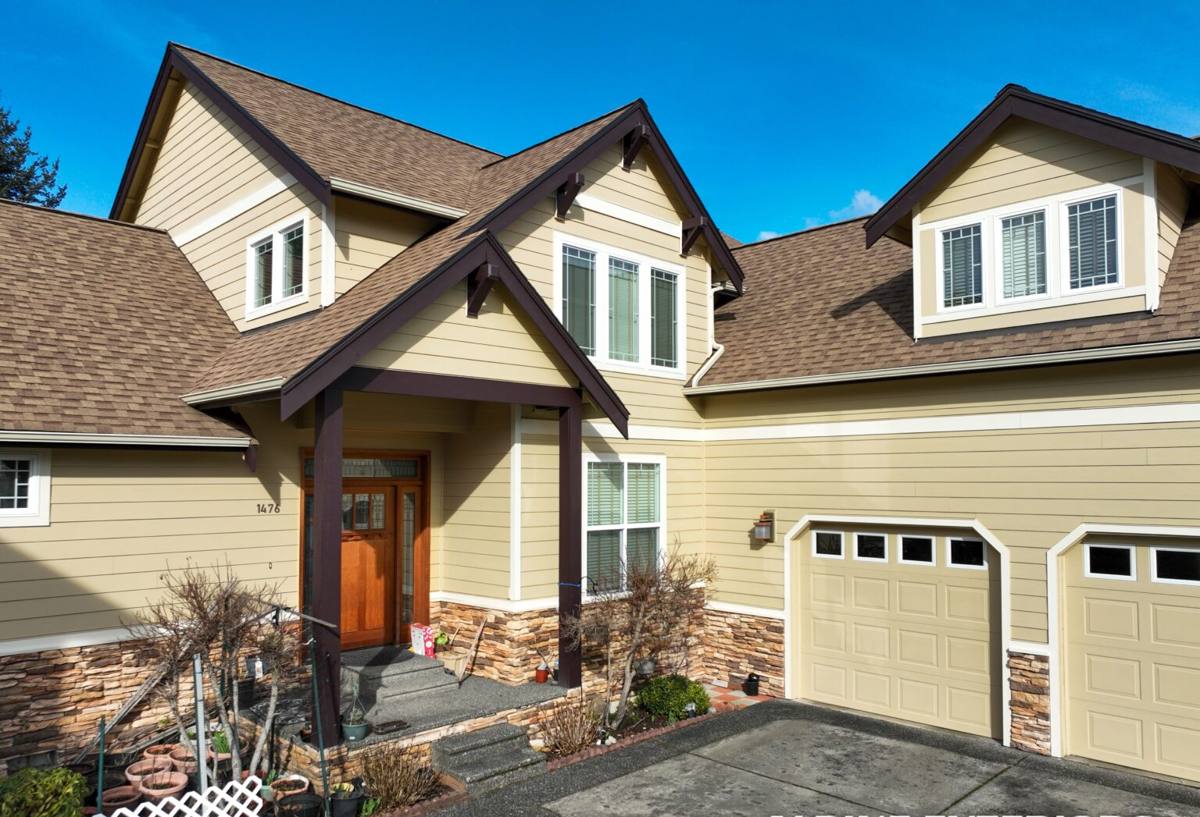
Why Ferndale Homes Are Hard on Siding
Salt Air and Corrosion
Proximity to Bellingham Bay means airborne salt settles on exterior surfaces, especially on the windward sides of a house. Salt accelerates corrosion of fasteners, trim flashing, and any metal components in a siding system. It also degrades paint film faster than it would inland, which is one reason a factory-applied finish that's engineered to resist fading and salt exposure matters more here than it would forty miles east.
Driving Rain and Wind
Whatcom County storms off the Strait don't always come straight down. Wind-driven rain gets pushed sideways into wall assemblies, testing every seam, joint, and penetration in the siding. A siding system that isn't installed with the right overlaps, flashing, and clearances will let water find its way behind the cladding, and once moisture gets into wall sheathing in a climate this wet, it doesn't dry out quickly.
Moss, Mildew, and Shade
Many Ferndale lots have mature trees and north-facing walls that stay damp for days after a storm. That's exactly the environment moss and mildew need. Wood siding and some composite products absorb moisture and give organic growth something to root into. Fiber cement doesn't feed mold the way wood does, but it still needs the right paint film and a clean installation to keep grime and moss spores from taking hold in seams and laps.
Why We Install Only James Hardie Fiber Cement
This is a decision we made as a standard, not a sales pitch for a single job. James Hardie fiber cement is non-combustible, dimensionally stable in wet-dry cycling, and available in climate-specific HZ formulations engineered for regions like the Pacific Northwest that see prolonged moisture exposure. The ColorPlus factory finish is baked on under controlled conditions, which gives it better UV and fade resistance than field-applied paint, and it comes with a real transferable warranty backed by the manufacturer, not just the installer.
We don't install LP SmartSide, vinyl, Cemplank, Allura, primed spruce, or cedar. Each of those has legitimate uses elsewhere, but for the specific combination of salt exposure, driving rain, and moss pressure that Ferndale homes deal with, we'd rather stand behind one product system we know inside and out than offer five options and hope the cheapest one holds up. That's a standard we apply to every home we side, not just this one.
What a Correct Fiber Cement Job Actually Involves
Fiber cement siding is only as good as the assembly behind it. A lot of siding failures blamed on the "material" are actually installation shortcuts. Here's what has to happen in order, every time:
- Tear-off and sheathing inspection. Old siding comes off and the sheathing underneath gets checked for rot, soft spots, or prior water damage before anything new goes up.
- Weather-resistive barrier. A code-compliant water-resistive barrier goes over the sheathing, lapped correctly (upper courses over lower) so water sheds outward instead of tracking behind the barrier.
- Flashing at every penetration. Windows, doors, hose bibs, vents, and electrical penetrations all get properly integrated flashing, not just caulk. Caulk is a backup, never the primary defense against water intrusion.
- Rainscreen or drainage gap where called for. In a climate this wet, a drainage plane behind the siding helps any incidental moisture escape instead of sitting against the sheathing.
- Correct fastening. Hardie panels and lap siding have specific fastener patterns, spacing, and penetration depth requirements. Over-driven or under-driven nails are one of the most common causes of premature siding failure.
- Proper clearances. Siding needs to sit above grade, roof lines, and decks by the manufacturer's specified minimums so it isn't sitting in standing water or snow buildup.
- Sealed and caulked joints, factory-cut edges primed. Any field-cut edge of a Hardie board needs to be sealed to match the factory-primed edges, or it becomes a weak point for moisture absorption.
Skip any one of these steps and the siding might look fine for a year or two before problems show up as staining, soft spots, or paint failure at the seams.
Our Process for a Ferndale Fiber Cement Project
1. On-Site Assessment
We walk the property, check the current siding and sheathing condition, look at drainage around the foundation, and note which walls take the most weather exposure. A north or west wall near open water exposure gets treated differently than a sheltered south wall.
2. Product and Color Selection
We help homeowners choose the right Hardie plank profile (traditional lap, board and batten, or shingle-style) and a ColorPlus finish that suits the home and holds up to UV and salt exposure without needing repainting on the timeline vinyl or wood would require.
3. Tear-Off and Repair
Old siding comes off, and any damaged sheathing or framing found underneath gets repaired before the new system goes on. This is often where hidden moisture damage from a previous, improperly installed siding job gets discovered.
4. Installation to Manufacturer Spec
We follow James Hardie's published installation guidelines exactly, including fastener schedules, clearances, and flashing details, because that's what keeps the manufacturer's warranty valid and what actually keeps water out.
5. Final Walkthrough
We go over the finished work with the homeowner, point out anything they should watch for seasonally, and answer questions about long-term care.
Why a Local Crew Matters for This Job
A crew that already works Whatcom County jobs understands things a traveling or out-of-area contractor might miss: which wall orientations on Ferndale-area homes take the worst weather, how local permitting and inspection works, and what a normal winter moisture load looks like versus a sign of an actual problem. We're not learning the region on your project. We also know which details matter most for homes that see salt air and near-constant fall and winter dampness, because we deal with the same conditions on every job in this area, not just occasionally.
Fiber Cement vs. Other Siding Options for This Climate
| Factor | James Hardie Fiber Cement | Vinyl | Cedar/Wood |
|---|---|---|---|
| Moisture resistance | Engineered HZ formulation for wet climates | Doesn't absorb water but can warp/crack in cold snaps | Absorbs moisture, prone to rot without upkeep |
| Salt air durability | Factory finish resists fading and salt exposure | Can chalk and fade faster near water | Finish breaks down faster, needs frequent refinishing |
| Moss/mildew resistance | Non-organic material, doesn't feed growth | Resistant but seams trap moisture and debris | Organic material, feeds moss and mildew directly |
| Fire resistance | Non-combustible | Combustible, can melt/deform | Combustible |
| Maintenance | Occasional wash, repaint on a long cycle | Low maintenance but limited repair options | Regular staining/sealing required |
| Warranty | Manufacturer-backed, transferable | Varies widely by brand | Typically none beyond installer workmanship |
Signs Ferndale Homeowners Should Watch For
Whether your current siding is nearing the end of its life or you're just doing seasonal upkeep, these are the warning signs that matter most in this climate:
- Dark streaking or green film on north-facing or shaded walls (moss/mildew taking hold)
- Soft or spongy spots when pressing on siding near the bottom courses or around windows
- Paint that's bubbling, peeling, or chalking faster than expected, especially on walls facing the water
- Visible gaps or separation at seams, corners, or trim
- Warping, cupping, or cracking panels, particularly after a cold snap
- Rust streaks below fasteners or trim, a sign of corroding metal components
- Musty smell or staining on interior walls that share an exterior wall with visible siding issues
None of these mean panic, but they're worth a professional look before a small issue becomes a sheathing repair.
Cost Factors for a Ferndale Fiber Cement Project
We won't quote a number without seeing the home, but the factors that move the price on a real project are consistent:
- Square footage and number of stories
- Condition of existing sheathing (repair needs found during tear-off)
- Siding profile chosen (lap, board and batten, shingle-style panels cost differently)
- Amount of trim, window/door detailing, and architectural features
- Accessibility of the site (tree coverage, slope, staging space)
- Whether a full rainscreen/drainage plane upgrade is part of the scope
Homeowners who get quotes from multiple contractors should make sure every bid is scoped against the same installation standard; a lower number that skips flashing detail or proper fastening isn't actually a better deal once you account for the moisture problems it can cause down the line in a climate like ours.
Ready to Talk About Your Home?
If you're in Ferndale and dealing with aging siding, moss buildup, or just want a straight answer about what fiber cement would look like on your home, we're happy to come take a look. The estimate is free, there's no pressure, and you'll get a clear explanation of what your home actually needs, not a generic sales pitch. Use the form below to get started.