 Bellingham
 Why Windows Wear Out Faster in Edgemoor
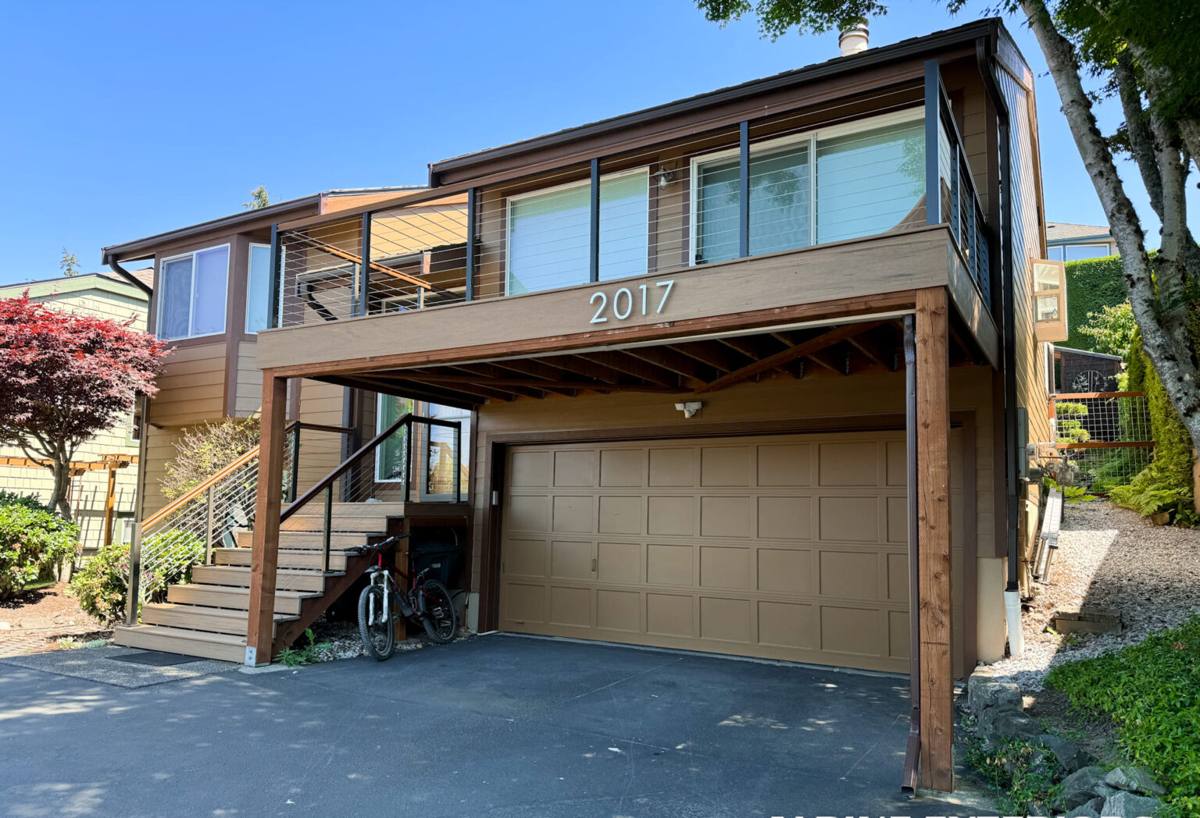
Edgemoor sits close to Bellingham Bay, under a heavy tree canopy, on bluffs that catch weather coming straight off the water. That combination is hard on windows in ways that inland Whatcom County neighborhoods don't deal with as much. Salt-laden marine air works on aluminum hardware, fasteners, and unprotected wood trim year-round. Driving rain off the Sound finds its way into any gap in old flashing or failed caulk. And the tree cover that makes Edgemoor's streets so pleasant also means shaded, damp siding and window sills that never fully dry out, which is exactly what moss and algae need to take hold.
None of this means Edgemoor homes need exotic solutions. It means the basics — flashing, sealant, material choice, and installation sequence — matter more here than they do in a drier, more exposed part of town. A window that would hold up fine for twenty years in a sheltered inland yard can start failing in half that time on a shaded, bay-facing wall if it wasn't installed with this climate in mind.
Signs Your Windows Are Losing the Fight
Most homeowners don't notice window failure until it's well along. A few things worth checking before it turns into a bigger repair:
- Fogging or a permanent haze between panes of double-glazed glass — the seal has failed and the insulating gas is gone
- Soft or discolored wood at the sill or lower corners of the frame
- Windows that are noticeably harder to open, close, or lock than they used to be
- Visible gaps between the frame and siding, or caulk that's cracked, shrunk, or pulled away
- Moss or dark streaking building up on the sill or lower sash, especially on north- or west-facing windows
- A cold draft near the window on a windy day, even with it fully closed
Any one of these on its own might just need a repair. Several at once, especially on windows original to the house, usually means replacement is the more honest answer than another round of patching.
What a Correct Window Replacement Actually Involves
It's Not Just Swapping Glass
A window replacement is only as good as the flashing and sealing work around it — the parts nobody sees once the trim goes back on. In a climate that throws wind-driven rain at a wall, water management around the rough opening is the difference between a window that lasts decades and one that's rotting the framing behind it in five years.
What We Check and Do on Every Job
| Step | Why It Matters Here |
|---|---|
| Inspect the rough opening and sill for hidden rot or water damage | Old flashing failures often go unnoticed until the window is out — catching this now prevents a bigger problem later |
| Install or repair sill pan flashing | Directs any water that gets past the window back out, rather than into the wall cavity |
| Use appropriate weather-resistive barrier integration | Keeps the window properly shingled into the house's water management system, not sealed on top of it |
| Apply sealant rated for the exposure | Salt air and constant damp break down cheaper sealants faster than they would inland |
| Confirm level, plumb, and square before final fastening | A slightly racked window binds, leaks, and wears out its hardware early |
| Finish interior and exterior trim to shed water away from the frame | Poor trim detailing is a common source of slow, hidden leaks |
Choosing Materials That Hold Up to Salt Air and Shade
There's no single "best" window material for every home — it depends on exposure, budget, and how the house is built. But for a shaded, bay-adjacent neighborhood like Edgemoor, some trade-offs matter more than they would elsewhere.
| Frame Material | Coastal/Shade Performance | Maintenance |
|---|---|---|
| Vinyl | Won't corrode or rot; handles moisture well; good value | Low — occasional cleaning, no painting |
| Fiberglass | Very stable in temperature swings and damp conditions; strong seal longevity | Low — can be painted if desired |
| Wood (unclad) | Handsome, but bare wood is vulnerable to rot in shaded, damp spots without diligent upkeep | High — regular painting/sealing required |
| Aluminum-clad wood | Good exterior protection, but cladding seams and fasteners are exposed to salt air corrosion over time | Moderate |
We're not against wood or clad windows — plenty of Edgemoor homes have architectural details where they're the right call. Our standard is being honest about what each material needs going forward. If a homeowner wants the look of true wood on a heavily shaded, water-facing wall, we'll say plainly what the maintenance schedule needs to look like to keep it from becoming a rot problem in ten years.
Glass Packages Worth Considering
Double-pane, low-E glass is the practical baseline for this climate — it cuts heat loss and reduces condensation on cold, damp mornings, which is common near the water. Triple-pane adds more insulation value but at a real cost premium; it's worth it for street noise or a particularly exposed elevation, less necessary on a sheltered, tree-shaded wall that already has a mild microclimate.
Our Window Replacement Process
- On-site assessment — we look at each window's exposure, the condition of the surrounding wall, and how water currently moves around the opening.
- Straight recommendations — which windows genuinely need replacing now, which can wait, and what material and glass package fits the home and budget.
- Written estimate — clear pricing, no surprise add-ons buried in fine print.
- Removal and inspection — old windows come out carefully so we can check the framing and sill for hidden damage before anything new goes in.
- Proper flashing and installation — sill pan, weather barrier integration, and sealant appropriate to a marine climate.
- Trim and finish work — interior and exterior details finished to shed water, not trap it.
- Final walkthrough — every window opens, closes, and locks the way it should before we call the job done.
What Window Replacement Typically Costs
Pricing depends on window size, material, glass package, how many openings you're doing, and whether there's hidden rot to address once the old window comes out. As a rough guide for a standard-size window in this region:
| Factor | Effect on Cost |
|---|---|
| Vinyl vs. fiberglass vs. wood-clad | Vinyl is generally the most budget-friendly; wood-clad and fiberglass run higher |
| Standard double-pane vs. upgraded glass | Triple-pane or specialty coatings add cost per window |
| Hidden sill or framing rot | Can add labor and material once discovered — common on older homes near the water |
| Number of windows done at once | Doing several windows in one project typically lowers the per-window labor cost |
| Custom sizes or shapes | Non-standard openings cost more than stock sizes |
We'd rather walk your specific windows and give you real numbers than throw out a broad range that doesn't mean much for your house.
Why a Crew That Already Works in Edgemoor Matters
A contractor who mostly works drier, more exposed neighborhoods can still do a technically fine install and still get surprised by what's happening at an Edgemoor sill — because the failure patterns here are shaped by shade, salt air, and near-constant dampness in a way that's different from a sun-exposed lot a few miles inland. Knowing to expect softened framing under old aluminum windows, or to spec sealant that won't break down as fast in salt-laden air, comes from having actually opened up walls in this specific kind of setting before.
There's also a practical side: a crew that regularly works Bellingham and Whatcom County neighborhoods like this one already understands local permitting expectations and how to sequence work around the wet stretches of the year, so a project doesn't stall out waiting on a dry window that never quite arrives.
Keeping New Windows Performing Long-Term
A well-installed window in this climate still benefits from a little seasonal attention. A short list worth keeping to:
- Rinse sills and tracks a couple times a year to keep moss and algae from getting established, especially on shaded elevations
- Check exterior caulk lines annually and touch up any that have cracked or pulled away
- Clear leaves and debris from sills and weep holes so water can drain instead of pooling
- Operate locks and hardware periodically so they don't seize up between uses
- Watch for condensation between panes — it's an early sign a seal is starting to fail, worth addressing before it spreads to other units from the same batch
None of this is heavy maintenance. It's the difference between a window that reaches its full lifespan and one that starts giving you trouble a decade early because moisture and moss got a head start.
Get a Straight Answer for Your Home
Every Edgemoor home is shaded, exposed, or protected a little differently, and that changes what actually makes sense for your windows. We're happy to come take a look, tell you honestly what condition your windows are in, and put together a free, no-pressure estimate using the form below.