 Bellingham
 Windows Built for Columbia's Weather, Not Just Its Views
Homes in the Columbia neighborhood sit close enough to the water and the weather patterns that roll off Bellingham Bay that windows take a beating most homeowners never fully account for. It's not one dramatic storm that causes trouble — it's the steady grind of salt-laden air, wind-driven rain that hits window walls at an angle instead of straight down, and long stretches of gray, damp months where moss and mildew get a foothold on anything that stays wet. Older aluminum-frame and single-pane windows common in this part of Bellingham were never designed for that combination, and it shows up as fogged glass, swollen wood sashes, drafts around the frame, and trim that stays soft to the touch well into summer.
Custom windows done right for a Columbia home aren't just about picking a style out of a catalog. They're about matching frame material, glazing, and installation detail to a specific house's exposure — which direction it faces, how much roof overhang protects the wall, how old the surrounding siding and flashing are, and how much salt-air corrosion has already worked its way into the existing hardware.
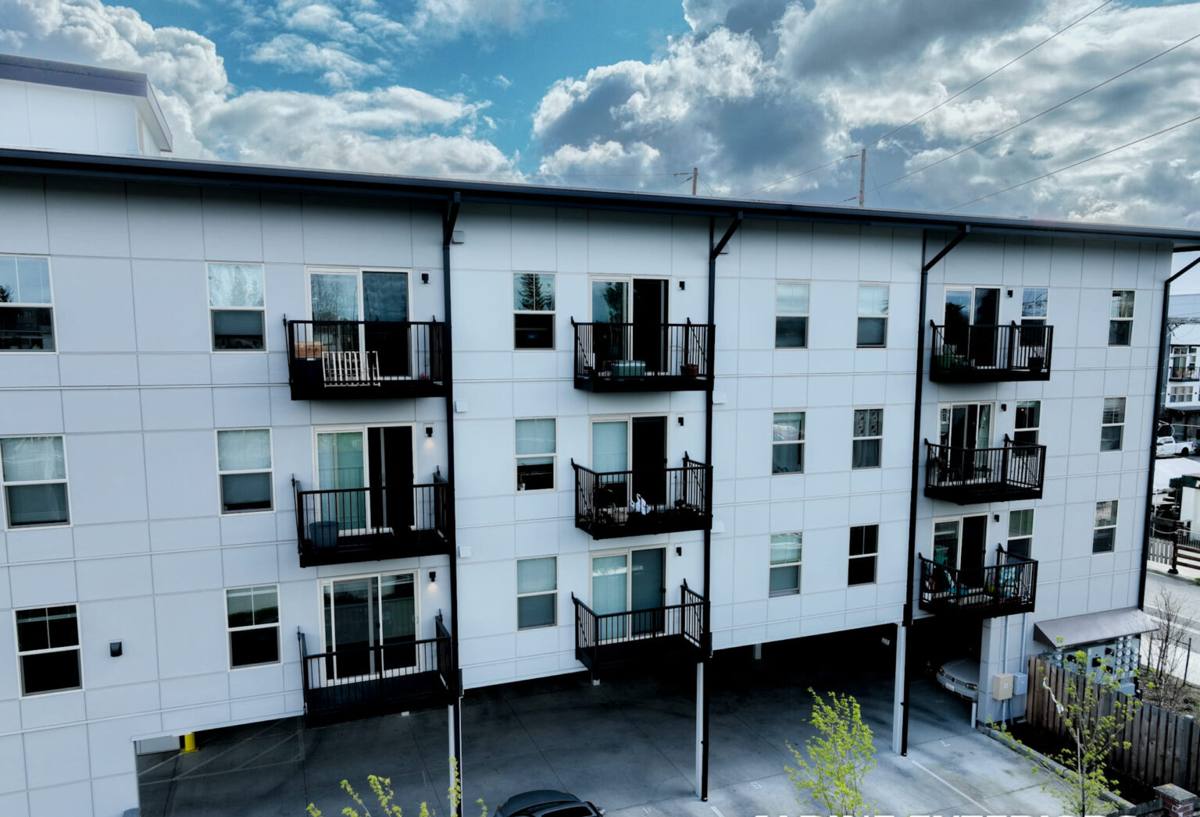
What "Correct" Actually Means in This Climate
A window job can look finished and still fail within a few wet seasons if the details underneath the trim aren't right. In Whatcom County's climate, correct means:
- Frame materials chosen for their actual resistance to moisture and salt exposure, not just their price point
- Proper flashing integration with the existing wall assembly, not just caulk around the perimeter
- Weep holes and drainage paths kept clear so wind-driven rain has somewhere to go
- Sealants and backer rod rated for UV and temperature swings, not general-purpose caulk
- Hardware (hinges, locks, cranks) rated for corrosion resistance if the home is on the western or water-facing side of the neighborhood
Skipping any one of these is usually invisible on install day and expensive two or three winters later, once water has had time to find the gap.
Reading a Columbia Home Before We Touch a Window
Every quote starts with an actual look at the house, not a generic measurement. We're checking sill condition, how the existing window ties into the siding and any building wrap behind it, whether previous caulk jobs are hiding rot instead of preventing it, and how exposed each elevation is to prevailing wind and rain. A window on a sheltered side of the house has different requirements than one facing open weather. Treating every opening the same is how corners get cut.
Signs a Window Needs More Than Cosmetic Repair
Homeowners often call about a drafty window and find out the frame or sill has deteriorated enough that repair isn't a real option. Common signs include soft or spongy wood at the sill, paint that bubbles or peels specifically around the window (a moisture signal, not just age), visible daylight or airflow around a closed sash, condensation between panes on double-glazed units (a sign the seal has failed), and moss or dark streaking on the exterior trim that keeps coming back no matter how often it's cleaned off.
Choosing Frame Material and Glazing
There's no single "best" window material — there's a best fit for a given wall, budget, and exposure. Vinyl, fiberglass, and clad-wood each behave differently under sustained damp conditions and salt air, and we walk homeowners through the honest trade-offs rather than pushing one option across every job.
| Frame Type | Moisture / Salt Air Behavior | Maintenance | Typical Use Case |
|---|---|---|---|
| Vinyl | Won't rot or corrode; performs well in damp, salt-exposed conditions | Low — occasional cleaning | Most Columbia homes, especially full replacements |
| Fiberglass | Very stable in temperature and moisture swings, strong long-term performance | Low | Homes wanting a slimmer profile or paint-grade finish |
| Clad-wood | Interior wood warmth with an exterior shell, but cladding seams need attention near heavy rain exposure | Moderate — cladding and seal inspection over time | Character homes prioritizing interior wood look |
| Bare aluminum | Prone to condensation and corrosion in this climate; we don't recommend it for replacement work | High | Legacy installs only — not something we install new |
On glazing, double-pane with a warm-edge spacer and low-E coating is the baseline we recommend for this area — it cuts down interior condensation on cold, damp mornings and keeps heating costs from climbing every time the wind picks up off the bay.
Our Installation Process
The work itself follows the same sequence on every job, adjusted for what we find once the old window is out:
- Assessment and measurement — we check the opening, sill, and surrounding wall assembly, not just the glass size
- Removal — old windows come out carefully so we can inspect the sill, jambs, and flashing underneath before anything new goes in
- Repair of hidden damage — any rotted framing or compromised flashing gets addressed before the new window is set; this is the step that gets skipped on rushed jobs and it's the one that matters most in a wet climate
- Flashing and weatherproofing — proper integration with the wall's water management system, sequenced so water sheds outward at every layer
- Setting and shimming — the window is leveled, plumbed, and secured so it operates smoothly and seals evenly on all sides
- Sealing — appropriate sealants at the interior and exterior, with attention to drainage paths so the window can shed incidental water instead of trapping it
- Trim and finish — interior and exterior trim work matched to the home's existing look
- Final walkthrough — operation, seal, and cleanup checked with the homeowner before we call it done
Timeline
Most single-home custom window projects run a few days to a couple of weeks depending on how many openings are involved and whether hidden rot repair adds scope once we open things up. We'll give a realistic window before work starts and update it if something unexpected turns up underneath an old sill.
Energy Efficiency and Comfort
Bellingham's mild but damp climate means the energy case for new windows is less about extreme heat or cold and more about eliminating drafts, condensation, and the cold-radiating feel of old single-pane glass. A properly sealed, insulated window keeps interior surfaces closer to room temperature, which cuts down on the condensation that feeds mold and mildew growth around window frames during the wetter months. It also reduces the draft homeowners feel sitting near a window on a windy, rainy evening — a common complaint we hear on older Columbia homes.
What Drives Cost
Every home is different, but the factors that move a custom window quote up or down are consistent:
| Factor | Why It Matters |
|---|---|
| Frame material | Vinyl, fiberglass, and clad-wood carry different material costs and lifespans |
| Number and size of openings | More or larger windows mean more material and labor |
| Hidden repair needs | Rot or flashing failure found once the old window is out adds scope |
| Glazing package | Low-E coatings, gas fills, and impact-rated glass carry a premium |
| Trim and finish complexity | Matching existing exterior trim profiles or interior wood finishes takes more time |
| Access and site conditions | Second-story or hard-to-access openings add labor |
We give straightforward, itemized estimates so homeowners can see exactly what they're paying for — including where hidden repairs, not the window itself, are driving the number.
Maintaining New Windows Through the Wet Season
New windows still need basic upkeep to hit their full lifespan in this climate. A short seasonal checklist:
- Clear debris from weep holes and window tracks before the fall rains pick up
- Rinse salt residue off exterior frames periodically if the home faces open water or wind
- Check exterior caulk lines each year for cracking or separation and touch up early
- Keep gutters and downspouts clear so overflow doesn't run down onto window heads
- Watch for moss starting on nearby trim or siding and address it before it spreads onto window surrounds
- Test operation of locks and cranks once a year — corrosion-prone hardware is easier to service early than after it seizes
Why Hire a Crew That Already Works in Columbia
A window crew that's worked other homes in this specific part of Bellingham already knows what's under the trim before they take the first one off. They've seen how the neighborhood's older housing stock was originally flashed, which builders' details tend to fail first, and how exposure varies block to block depending on tree cover and wind path. That local pattern recognition is what keeps a quote accurate and prevents surprise change orders once the work starts. It's also what keeps a warranty meaningful — a company that stands behind its work in Whatcom County's actual weather, not a generic climate assumption from a sales brochure.
If you're weighing a custom window project for a Columbia-area home, we're happy to take a look and walk you through what your specific house needs — no pressure, no obligation. Request a free estimate below and we'll get back to you with a straight answer.