 Bellingham
 Why Decks in Barkley Wear Differently Than You'd Expect
Barkley sits close enough to the water and the wet Whatcom County air that decks here age on their own timeline, regardless of how well they were built originally. Salt-tinged moisture in the air, long stretches of driving rain off the water, and a moss season that can run from fall through spring all work on wood, fasteners, and finishes at the same time. A deck that would last two decades in a dry inland climate can start showing soft boards, rusted hardware, or slick moss buildup in half that time here if it isn't maintained or repaired correctly.
That's not a knock on any particular builder or material — it's just what Pacific Northwest exposure does. The practical result is that deck repair in this part of Bellingham tends to involve more than a board swap. Moisture that got in six months ago is often still doing damage below the surface when a homeowner finally notices a problem on top.
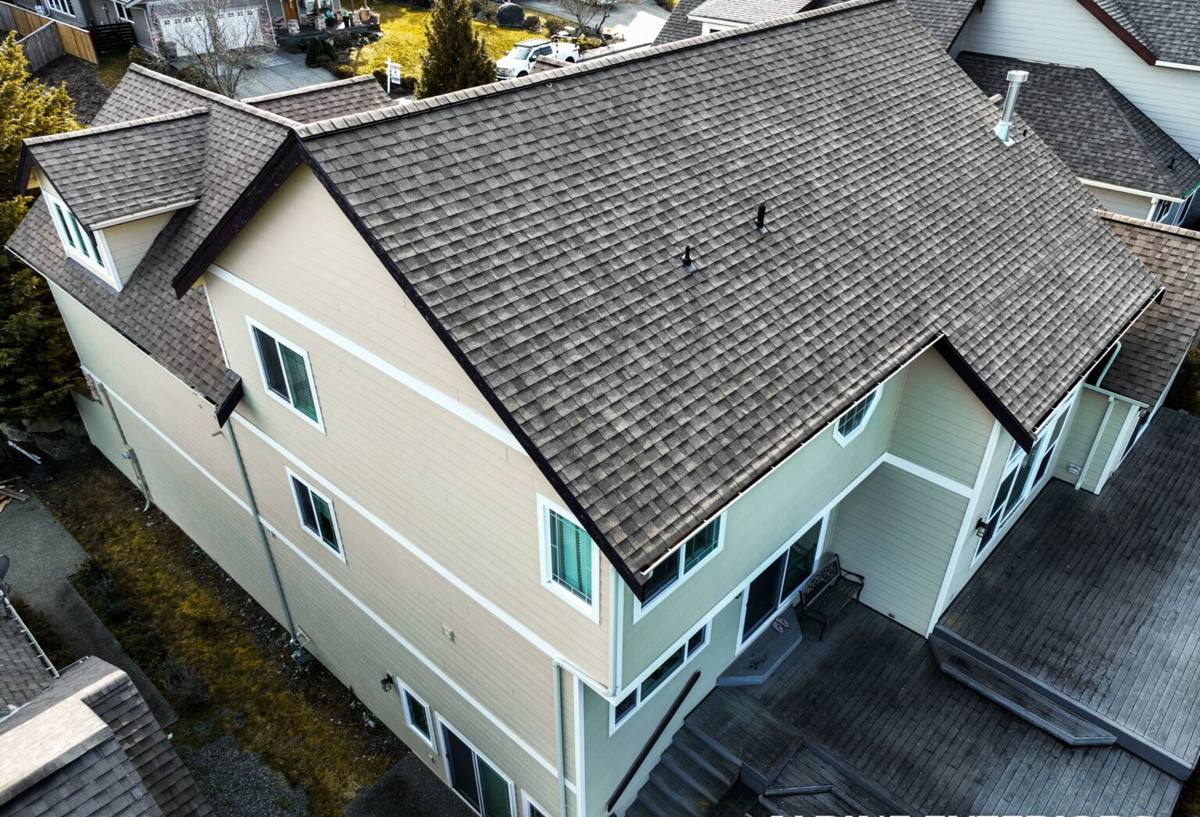
The Signs That Usually Bring Us Out
Most calls we get for deck repair in this neighborhood start with one of these:
- Boards that feel spongy, bounce, or flex more than they used to
- Dark staining or soft wood around the ledger board where the deck meets the house
- Rust streaks running down from screws, bolts, or joist hangers
- Railings or posts that wiggle when leaned on
- Green or black moss film that stays damp for days after rain
- Gaps opening up between boards, or fasteners backing out and standing proud
- A musty smell coming from underneath the deck
Any one of these on its own might just be cosmetic. Two or three together, especially near the ledger or support posts, usually means moisture has been sitting somewhere it shouldn't for a while.
What "Repair" Actually Covers
Deck repair is a broad term, and part of doing it right is being honest about how much of the deck is actually affected. A correct repair separates the problem into layers instead of just replacing the boards you can see.
Surface Layer — Decking Boards
This is what you walk on, and it's the most visible sign of trouble. Cupping, splintering, soft spots, and moss are all surface-level symptoms — but they're often the last thing to show damage, not the first.
Structural Layer — Framing, Joists, and Ledger
Underneath the boards, joists and beams carry the actual load. The ledger board — where the deck attaches to the house — is the single most important connection on the whole structure, and it's also the most common place we find hidden rot, because flashing there fails quietly for years before anyone notices.
Connection Layer — Fasteners and Hardware
Nails, screws, joist hangers, and post bases take constant exposure. In a marine-influenced climate, standard hardware corrodes faster than most homeowners expect, and corroded hardware weakens connections long before the wood around it looks obviously bad.
Guard Layer — Railings and Posts
Railings get less attention than decking but carry real safety consequences when they fail. Post rot at the base, loose baluster connections, and undersized original hardware are common issues on older decks around Bellingham.
What a Correct Repair Involves
A repair that actually holds up in this climate isn't just "pull the bad board, nail in a new one." Done right, it typically includes:
- Pulling boards in the affected area to inspect the framing underneath, not just patching over it
- Checking ledger board flashing and re-flashing if water has been tracking behind it
- Replacing any joists, beams, or posts that have soft or delaminated wood, not just the ones that are visibly failing
- Swapping corroded fasteners and hardware for hot-dip galvanized or stainless components rated for exterior, damp-climate use
- Matching new decking material to the existing deck where possible, or advising honestly when a full section should be replaced instead of patched
- Re-establishing proper drainage and airflow underneath the deck so water doesn't pool against framing again
- Sealing or finishing new wood to match the weathering of the surrounding deck
Skipping the inspection step is the most common shortcut in this trade, and it's the one that causes the same repair to need doing again in two or three years.
Repair Materials — What We Weigh and Why
When we're replacing sections of an existing deck, the material choice depends on what's already there, your budget, and how much upkeep you want going forward. Here's how the common options compare for repair work specifically:
| Material | Best for | Maintenance | Notes for this climate |
|---|---|---|---|
| Pressure-treated lumber | Matching existing framing/decking, budget repairs | Needs re-sealing every 1-2 years | Widely available, easy to match; performance depends on keeping it sealed against constant rain |
| Cedar | Appearance-matched repairs on cedar decks | Regular sealing, more sensitive to moss/mildew if not maintained | Natural rot resistance helps, but untreated cedar still needs attention in a wet climate |
| Composite decking | Sections you want to stop maintaining long-term | Low — occasional cleaning | Higher upfront cost per board; harder to blend seamlessly into an older wood deck |
| Hardware (fasteners, hangers) | Every repair, regardless of decking material | None if spec'd correctly | Stainless or hot-dip galvanized is worth the small upcharge here — standard coated screws corrode faster near the water |
We'll tell you plainly if composite doesn't make sense for a partial repair — mixing it into an otherwise wood deck can look mismatched, and it's often better value to either repair in matching wood now or plan a full composite replacement later, rather than blend the two.
How We Approach a Barkley Deck Repair
1. On-Site Inspection
We look above and below the deck — checking the ledger, crawling underneath where access allows, and testing boards and railings by hand, not just by eye. This is where we find the difference between a cosmetic fix and a structural one.
2. Straight Answer on Scope
You get a clear explanation of what's actually wrong, what's optional, and what shouldn't wait. If a small area has spread further than expected once we open it up, we tell you before proceeding, not after the invoice.
3. The Repair Itself
We replace what needs replacing, re-flash and re-seal connection points, and upgrade hardware where the original fasteners are undersized or corroding. We build repairs to tie into the existing structure correctly, not just cover the visible damage.
4. Finish and Protection
New wood gets sealed or finished to hold up against the next wet season, and we make sure drainage and airflow underneath are actually working — a repair that traps moisture again just resets the clock on the same problem.
Repair or Replace? A Practical Way to Decide
Not every deck problem calls for a full rebuild, and not every deck is worth patching indefinitely. A few honest questions help sort it out:
- Is the damage limited to boards and surface hardware, or has it reached the framing and ledger?
- Is more than roughly a third of the deck showing soft wood or rot?
- Is the deck old enough that the framing was built to lighter, older code standards?
- Would repair cost approach what a partial or full rebuild would cost anyway?
- Do you want to change the footprint, railings, or material as part of the work?
If the answer to most of these leans toward "extensive" or "yes," a rebuild or major renovation is usually the better long-term value. If the issues are isolated, a targeted repair done properly can add many more years of safe use.
Why a Crew That Already Works in Bellingham Matters Here
Deck repair isn't identical everywhere, and Whatcom County's damp, moss-prone conditions reward crews who already know what they're looking for. A contractor who works Bellingham regularly recognizes the difference between surface moss and the kind of sustained dampness that signals a drainage or flashing problem underneath. They also know which fastener and sealant products actually hold up through a full Pacific Northwest wet season rather than just looking good when installed in dry weather.
There's also a practical side to hiring locally: a crew based nearby can get to your property faster for the initial inspection, and if something needs a follow-up check after the next hard rain, that's a short trip rather than a scheduling headache. For a neighborhood like Barkley, with its mix of tree cover, moisture, and homes of varying ages, that local familiarity shows up in fewer surprises once the boards come up.
Keeping a Repaired Deck in Good Shape
Once a repair is done right, a little seasonal upkeep goes a long way in this climate:
- Sweep debris and standing leaves off the deck regularly, especially in fall
- Treat moss and algae early with an appropriate cleaner rather than letting it build up over a wet season
- Check and re-seal exposed wood on the schedule appropriate to that finish, typically every one to two years
- Keep gutters and downspouts clear so runoff isn't draining directly onto or under the deck
- Do a quick hands-on check of railings and stair connections once or twice a year
These small habits are what actually stretch the life of a repair — the best fix in the world still needs a dry surface and clear drainage to keep doing its job.
If your Barkley deck has soft spots, moss you can't keep ahead of, or hardware that's started rusting, we're happy to take a look and give you a straight read on what it needs. Estimates are free, there's no pressure attached, and you'll get an honest answer about whether it's a repair or something bigger — just fill out the form below to get started.