 Bellingham
 Decking Built for the Way Barkley Weather Actually Behaves
Barkley sits close enough to Bellingham Bay and the Sound that salt air is a daily fact of life, not an occasional nuisance. Add Whatcom County's long wet season, and a deck here spends a good chunk of the year damp, shaded, and exposed to airborne salt that accelerates corrosion on fasteners and hardware. Composite decking has become the default choice for a lot of Barkley homeowners for good reason: it doesn't absorb water the way wood does, it doesn't need annual staining, and it holds up better under the moss and mildew pressure that this climate produces. But "composite" is not one product, and a composite deck is only as good as the substructure and drainage detail underneath it. We've built and repaired enough decks in this neighborhood to know exactly where the shortcuts show up first.
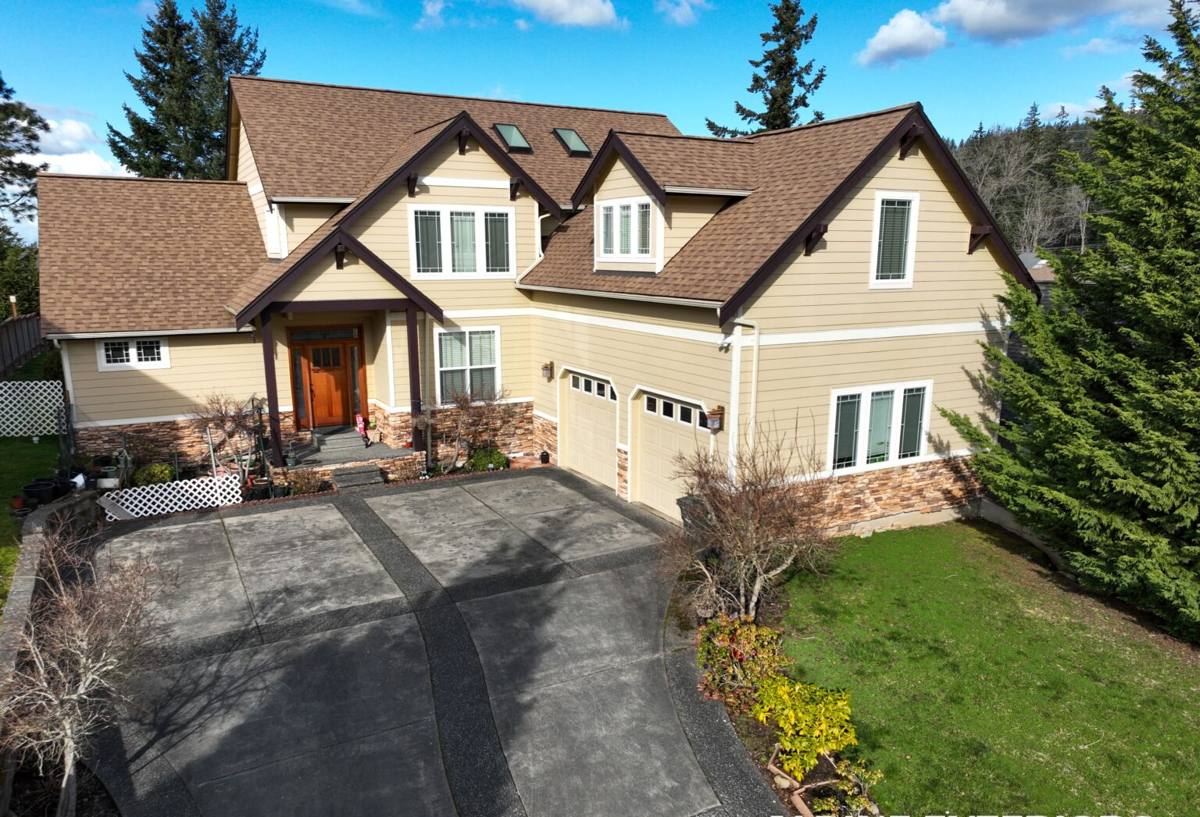
What This Climate Actually Does to a Deck
Three things drive almost every deck problem we see in Barkley:
- Salt air corrosion — standard hardware, screws, and joist hangers pit and rust faster here than in drier, inland parts of the county, especially on decks with any bay exposure or prevailing wind off the water.
- Driving rain — wind-driven rain gets up under railings, around post bases, and behind ledger boards where the deck ties into the house. Any gap in flashing becomes a slow leak.
- Long moss season — shaded decks under trees or on the north side of a house stay damp for months at a stretch, which is exactly what moss and algae need to take hold on any surface that traps moisture.
None of this is unique to Barkley, but it's more pronounced here than in the drier parts of Whatcom County, and it changes which products and details actually hold up long term versus which ones look fine for the first year or two.
Where Failures Start
In our experience, the failure points on a poorly built deck are almost never the composite decking boards themselves — modern composites are genuinely durable. The problems start at the substructure: joists that weren't protected from moisture, fastener corrosion, ledger boards attached to the house without proper flashing, and drainage gaps that let water pool instead of run off. A composite deck surface can look brand new while the frame underneath it is quietly failing.
Composite vs. the Alternatives
Homeowners in Barkley usually compare composite against pressure-treated wood or cedar, and sometimes PVC. Each has real trade-offs — we'll give you the honest version rather than a sales pitch.
| Material | Moisture behavior | Maintenance | Typical lifespan here | Upfront cost |
|---|---|---|---|---|
| Pressure-treated wood | Absorbs water, prone to cupping and splintering in wet shade | Annual cleaning/sealing to hold up in this climate | 10–15 years before major repair | Lowest |
| Cedar | Naturally rot-resistant but still absorbs moisture over time | Regular staining/sealing, more upkeep in salt air | 15–20 years with maintenance | Moderate |
| Composite (wood-plastic blend) | Minimal absorption; capped boards resist moss staining much better than uncapped | Occasional wash-down, no staining or sealing | 25–30 years | Moderate-high |
| PVC | Essentially waterproof | Lowest maintenance | 25–30+ years | Highest |
For most Barkley homes, capped composite hits the right balance: it resists the moss and mildew staining that plagues uncapped composite and wood, it doesn't need the yearly sealing routine that wood demands in this much rain, and the cost sits below full PVC systems.
What a Correct Composite Deck Install Involves
The composite boards get the attention because they're what you see, but the work that actually determines how long a deck lasts happens underneath and around them.
Substructure and Framing
We use joist tape or a comparable protective barrier over the framing lumber before boards go down. In a climate this wet, an unprotected joist top is where rot starts — the composite board above it stays dry, but water wicks along the top of the joist and sits there for months at a time under the long moss season's low sun angles.
Fasteners and Hardware
Salt-air exposure means we don't cut corners on hardware grade. Stainless or heavily coated fasteners and hangers cost more upfront but avoid the rust streaking and structural weakening that standard hardware develops within a few years this close to the water.
Ledger Board Attachment
Where the deck attaches to the house is the single most common source of hidden water damage on any deck, composite or otherwise. Proper flashing behind the ledger board, correctly lapped with the house's water-resistive barrier, keeps rain from working its way into the wall assembly. Because we're a siding contractor first, this is a detail we take seriously — a poorly flashed ledger board doesn't just risk the deck, it risks the wall behind your siding.
Drainage and Spacing
Board spacing and slope have to move water off the deck surface and away from the house, not let it pool. In a neighborhood that sees as much sustained rain as Barkley does, even a slight miscalculation in slope leads to standing water, which accelerates moss growth and stains the board surface.
Our Process
- On-site assessment — we look at sun exposure, drainage patterns, existing structure condition, and how the deck ties into your siding and roofline.
- Material selection — we walk through composite board options and finishes based on your budget, sun/shade exposure, and how much moss resistance matters for that particular spot on your lot.
- Substructure work — repair or build the frame, apply joist protection, and correct any drainage or slope issues before a single deck board goes down.
- Flashing and ledger detail — proper integration with your home's water-resistive barrier, especially important on homes where the deck ties into original or older siding.
- Board installation — hidden fastener systems where possible for a clean look and fewer surface penetrations that salt air can attack.
- Railings and finish work — matched to the deck material and built to handle wind exposure common in this part of Bellingham.
- Final walkthrough — we go over maintenance expectations so you know what normal wear looks like versus something worth a call.
Moss, Mildew, and Realistic Maintenance
No decking material is maintenance-free in Whatcom County's climate — composite just needs far less than wood. Even capped composite can develop a surface film in deeply shaded, low-airflow spots after a long wet stretch. The fix is simple and infrequent: a periodic wash with a soft brush and a deck-safe cleaner, not a pressure washer aimed too close, which can damage the cap layer. Homeowners who want the lowest possible upkeep should factor sun exposure into board selection — a deck that gets some afternoon sun will need far less attention than one tucked permanently in shade.
Simple Maintenance Checklist
- Rinse or lightly brush the deck surface a couple of times a year, more often in shaded areas
- Keep gutters and downspouts clear so runoff isn't dumping extra water onto the deck
- Check railings and post bases annually for movement or corrosion around fasteners
- Trim back overhanging branches to reduce moss buildup and speed up drying time after rain
- Inspect the ledger board area at the house wall for any signs of staining or soft wood
What Composite Decking Runs in Barkley
Costs vary with deck size, board tier, railing style, and how much substructure repair is needed on an existing deck. As a rough guide for planning purposes:
| Factor | Impact on cost |
|---|---|
| Deck size and shape | Larger and multi-level decks increase material and labor proportionally |
| Board tier (entry vs. premium composite) | Premium capped boards cost more but resist staining and fading longer |
| Existing structure condition | Rot or undersized framing found during tear-off adds repair cost |
| Railing type | Composite or metal railing systems cost more than basic wood rail |
| Site access | Difficult access or steep lots add labor time |
We give exact numbers only after seeing the site — anyone quoting a firm price over the phone for a deck in this climate is skipping the substructure inspection that actually determines the job.
Why a Crew That Already Works in Barkley Matters
A contractor who works this neighborhood regularly already knows which lots hold moisture longest, where salt exposure is worse, and how local homes are typically sided and flashed at the deck ledger. That familiarity shortens the assessment phase and reduces the odds of a detail getting missed — especially the ledger flashing, which is where deck problems and siding problems overlap. As a Bellingham-based siding contractor, we look at your deck as part of the whole building envelope, not an isolated carpentry project.
If you're planning a new composite deck or replacing an aging one in Barkley, we're happy to take a look and give you a straightforward, no-pressure estimate. Use the form below to get started.